Campfire Starter Kit: The Complete Guide to Building the Perfect Fire
Everything you need to know about choosing, using, and mastering a campfire starter kit. From natural tinders to modern fire-starting tools, learn how to ignite a reliable fire in any condition.
Explore Top Picks ↓Why a Campfire Starter Kit Matters
Building a campfire is one of the most fundamental outdoor skills, yet it remains a challenge for many campers. A reliable campfire starter kit bridges the gap between raw materials and a roaring fire, especially when conditions are wet, windy, or cold. Whether you're a casual car camper or a seasoned backpacker, having the right fire-starting tools can mean the difference between a warm, memorable evening and a frustrating struggle in the dark.
This guide covers everything you need to know about campfire starter kits: what they contain, how to choose the right one for your needs, and how to use each component effectively. We'll also explore safety considerations, compare different types of fire starters, and help you decide whether a pre-assembled kit or a DIY approach is best for your adventures. By the end, you'll be ready to make an informed decision on the kit that suits your camping style.
For those planning to cook over the fire, our guides on camping fire recipes and campfire chicken meals offer excellent starting points once your fire is established. And if you're new to outdoor cooking in general, our good camping meals resource provides a broader overview.
What You'll Learn
What Is a Campfire Starter Kit?
A campfire starter kit is a curated collection of tools and materials designed to help you ignite a fire quickly and reliably. Unlike simply carrying a lighter and hoping for the best, a well-assembled kit anticipates the variables that make fire-starting difficult: damp wood, wind, altitude, and cold temperatures. A quality kit typically includes a combination of ignition tools (such as ferrocerium rods or stormproof matches), tinder (waxed cubes, petroleum jelly cotton balls, or fatwood shavings), and sometimes kindling or a carrying case to keep everything organized.
The philosophy behind a starter kit is redundancy. Experienced campers know that no single fire-starting method works every time. By carrying multiple ignition sources and tinder options, you dramatically increase your chances of success. This is especially important for survival situations or when camping in challenging environments. Even if you're primarily a fair-weather camper, a starter kit simplifies the process and lets you focus on enjoying your surroundings rather than wrestling with damp kindling.
Many campers also carry a basic kit for camping that includes broader essentials beyond just fire-starting. But for fire specifically, a dedicated starter kit is worth its weight in gold.
Essential Components of a Campfire Starter Kit
A comprehensive campfire starter kit typically includes the following categories of items. Depending on the kit you choose, you may find all of these or only a subset. Understanding each component helps you evaluate kits and supplement as needed.
1. Ignition Tools
These are the devices that create the initial spark or flame. Common options include:
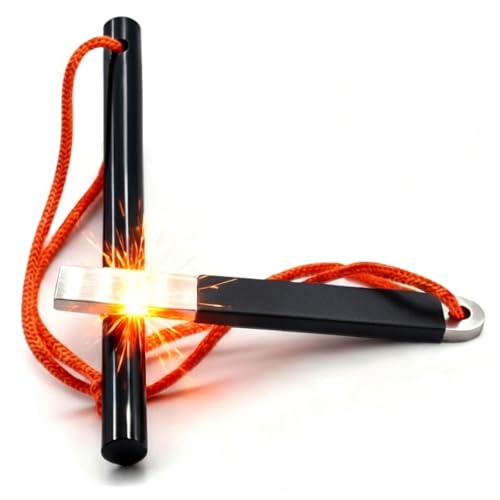
- Ferrocerium rod (ferro rod): A metal alloy rod that produces hot sparks when scraped with a striker. Works even when wet and lasts for thousands of strikes. Considered a top-tier ignition tool for reliability.
- Stormproof matches: Matches designed to burn in wind and rain, often with a longer burn time than standard matches. A mid-range option that's easy to use.
- Butane lighter: Convenient and familiar, but less reliable in extreme cold or at high altitude. Best as a backup.
- Fire piston: A traditional tool that uses compression to ignite tinder. More of a novelty or survival skill item, typically found in premium or enthusiast kits.
2. Tinder
Tinder is the material that catches the spark and creates the initial flame. Effective tinder options include:
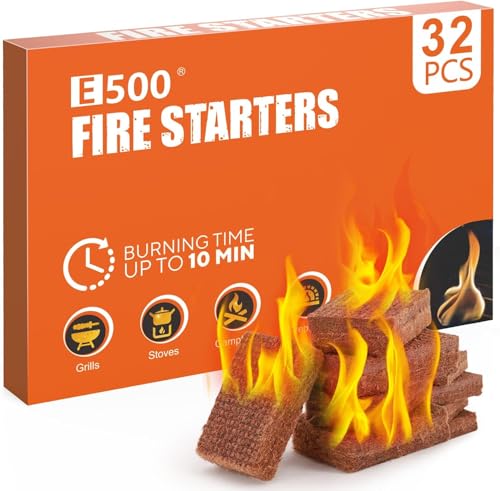
- Waxed fire cubes: Compressed sawdust or cotton soaked in wax. They burn for several minutes and are highly wind-resistant. A mid-range staple.
- Petroleum jelly cotton balls: DIY-friendly and effective. Cotton balls coated in petroleum jelly ignite easily and burn long enough to light kindling.
- Fatwood sticks: Resin-rich wood from pine stumps. Burns hot and long, works well as a transition between tinder and kindling.
- Char cloth: Cotton fabric charred in a low-oxygen environment. Catches sparks easily and is popular among traditionalists.
- Commercial fire starters: Brands offer lightweight, waterproof options that are easy to light and burn consistently.
3. Kindling & Fuel
While not always included in a starter kit (since you can often gather kindling on-site), some kits include:
- Waterproof kindling: Paraffin-coated wood shavings or similar materials that ignite readily.
- Emergency fire logs: Compressed sawdust logs that burn for extended periods.
4. Accessories
- Waterproof carrying case: Keeps everything dry and organized.
- Striker or scraper: Often integrated with the ferro rod.
- Whistle or emergency signal: Some premium kits include a whistle for safety.
- Instruction card: Helpful for beginners.
If you're assembling a broader emergency kit, consider pairing your fire starter with items from our winter emergency kit guide. And for backpackers watching every ounce, our lightweight backpacking food article offers tips on minimizing pack weight that apply to gear selection as well.
Types of Fire Starters: Which One Is Right for You?
Fire starters can be broadly categorized by their ignition method and intended use. Here's a comparison of the most common types you'll find in kits or sold separately.
| Type | Best For | Reliability | Ease of Use | Weight |
|---|---|---|---|---|
| Ferrocerium Rod | All-weather camping, survival, backpacking | Excellent | Moderate (requires practice) | Very light |
| Stormproof Matches | General camping, beginners, wet conditions | Very good | Easy | Light |
| Waxed Fire Cubes | Car camping, family trips, convenience | Good | Very easy | Moderate |
| Petroleum Jelly Cotton Balls | DIY kits, budget-conscious campers | Good | Easy | Light |
| Fatwood Sticks | Natural fire starting, traditional camping | Very good | Moderate | Moderate |
| Butane Lighter | Backup, fair-weather camping | Fair (cold-sensitive) | Very easy | Very light |
Many experienced campers combine a ferro rod as their primary ignition tool with stormproof matches as backup, plus a few waxed cubes or cotton balls for tinder. This layered approach is reflected in the best pre-assembled kits on the market.
For winter camping specifically, fire-starting becomes more challenging. Our winter campfire tips article covers techniques for building fires in snow and cold. And if you're camping in an area with fire restrictions, always check our fire ban guide before heading out.
How to Choose the Right Campfire Starter Kit
Selecting the right kit depends on your camping style, the environments you frequent, and your comfort level with fire-starting techniques. Here are the key factors to consider:
Camping Style
- Car camping & family trips: Prioritize ease of use and larger tinder quantities. Waxed cubes and stormproof matches are ideal. Weight is less of a concern.
- Backpacking & thru-hiking: Focus on lightweight, compact options. A ferro rod and a few petroleum jelly cotton balls weigh almost nothing and are highly reliable.
- Survival & emergency preparedness: Redundancy is key. Choose a kit with multiple ignition methods and waterproof tinder.
- Winter camping: Look for kits that include fatwood or waxed tinder that burns hot and long. Ferro rods work well in cold, but butane lighters may fail.
Environmental Conditions
If you frequently camp in wet or windy conditions, prioritize stormproof matches and waxed fire cubes. In high-altitude or extreme cold, ferro rods outperform butane lighters. For desert camping where open fires may be restricted, consider a portable fire pit or check local regulations first—our campfire regulations guide is a good starting point.
Kit vs. DIY
Pre-Assembled Kit Pros
- Convenient, ready to use
- Curated by experienced campers
- Often includes waterproof case
- Good for beginners
DIY Kit Pros
- Customizable to your needs
- Often more cost-effective
- You know exactly what's included
- Satisfying to build
Many campers start with a pre-assembled kit and gradually customize it over time. Either approach works well—the important thing is to have a reliable system you've practiced with before you need it.
If you're building out your camping setup more broadly, our camping checklists section can help you ensure you haven't forgotten anything essential.
How to Use Your Campfire Starter Kit Effectively
Having a great kit is only half the battle—knowing how to use it is equally important. Here's a step-by-step approach to building a fire with your starter kit.
Step 1: Prepare Your Fire Site
Clear a safe area for your fire, ideally in an existing fire ring. Remove any flammable debris from the surrounding area. If building a new fire pit, follow Leave No Trace principles—our Leave No Trace guide covers this in detail. For safety, always have water or dirt nearby to extinguish the fire, and review our campfire safety rules before you start.
Step 2: Gather Materials
You'll need three types of fuel: tinder, kindling, and larger wood. Tinder catches the spark, kindling builds the flame, and larger wood sustains it. If conditions are wet, you may need to split larger logs to access dry inner wood.
Step 3: Arrange Your Fire Structure
Common fire structures include the teepee, log cabin, and lean-to. The teepee is a good all-around choice: place your tinder in the center, surround it with kindling in a cone shape, and add larger wood as the fire grows.
Step 4: Ignite Your Tinder
Using your chosen ignition tool, light the tinder. With a ferro rod, scrape the rod with the striker in a downward motion, directing sparks onto the tinder. With stormproof matches, strike and hold the match to the tinder until it catches. Once the tinder is lit, gently blow on it to encourage the flame to spread to the kindling.
Step 5: Build and Maintain
Gradually add larger pieces of wood as the fire grows. Don't smother the fire—allow air to circulate. Once the fire is established, you can add larger logs. When you're done, extinguish the fire completely following our guide on how to extinguish a campfire.
Practice makes perfect. Try building a fire with your kit in your backyard before your trip, so you're familiar with how each component performs.
Fire Safety and Regulations
Responsible fire use is paramount. Before building any fire, check local regulations. Many areas have seasonal fire bans, and some parks prohibit fires entirely. Our fire ban guide and wildfire prevention resources provide essential information.
Always follow these basic safety rules:
- Never leave a fire unattended.
- Keep fires small and manageable.
- Clear flammable materials from around the fire site.
- Have water or a shovel nearby.
- Extinguish fires completely before leaving or sleeping.
- Follow local campfire regulations.
In emergencies, knowing how to signal for help is critical. Our emergency SOS signals guide covers techniques that every camper should know. And if you're camping in winter, review our winter camping safety tips for cold-weather-specific advice.
Frequently Asked Questions About Campfire Starter Kits
What is the most reliable fire starter for camping?
Ferrocerium rods are widely considered the most reliable ignition tool because they work when wet, in cold temperatures, and at high altitude. However, they require practice to use effectively. Stormproof matches are a close second and easier for beginners.
Can I bring a campfire starter kit on a plane?
TSA regulations vary by country, but generally, ferro rods and stormproof matches are allowed in checked baggage, while butane lighters may have restrictions. Always check with your airline and local authorities before traveling.
How long do fire starters last?
Ferro rods can last for thousands of strikes, potentially years of regular use. Waxed fire cubes typically burn for 5–10 minutes each. Stormproof matches burn for about 10–15 seconds. Petroleum jelly cotton balls burn for 1–3 minutes.
Are campfire starter kits worth it?
Yes, for most campers. A good kit saves time, reduces frustration, and provides redundancy in case one method fails. For occasional campers, a simple kit with stormproof matches and waxed cubes is sufficient. For frequent or survival-focused campers, a more comprehensive kit is recommended.
What should I do if my fire won't start?
Check your tinder—it may be too damp or not fluffy enough. Ensure you have adequate airflow. Try adding more fine kindling. If conditions are wet, split wood to access dry inner layers. Patience and preparation are key.
Can I make my own fire starter kit?
Absolutely. A DIY kit can include a ferro rod, petroleum jelly cotton balls, and a waterproof container. Many campers enjoy customizing their kits. See our broader kit for camping guide for ideas on building a comprehensive outdoor kit.
Ready to Build the Perfect Fire?
A reliable campfire starter kit is one of the smartest investments you can make for your outdoor adventures. It transforms fire-building from a frustrating chore into a simple, enjoyable ritual. Whether you choose a pre-assembled kit or build your own, the key is to practice, prepare, and always prioritize safety.
Explore our recommended products below to find the right kit for your needs. And remember: the best fire starter is the one you know how to use. Happy camping!