Camping Ground Sheet Guide
Protect your tent floor from rocks, roots, and moisture. A ground sheet (or footprint) is a simple yet essential piece of gear that extends the life of your tent and keeps you dry.
What Is a Camping Ground Sheet?
A camping ground sheet (also called a tent footprint or ground cloth) is a protective layer placed under your tent. It acts as a barrier between the tent floor and the ground, shielding it from sharp objects, abrasive surfaces, and ground moisture.
Without a ground sheet, your tent floor is exposed to wear and tear from rocks, twigs, and pine cones. Over time, small punctures can develop, leading to leaks and cold spots. A good ground sheet also helps keep your tent clean and makes packing up easier.
Types of Camping Ground Sheets
Not all ground sheets are the same. Here are the most common types, with typical price ranges to help you choose.
- Custom-Fit Footprints – Made by the tent manufacturer to match your tent's exact dimensions. They often come with grommets that align with your tent's poles. $30–$80
- Universal Tarps – A versatile, rectangular tarp that can be used under any tent. Look for lightweight, puncture-resistant materials like nylon or polyester. $20–$50
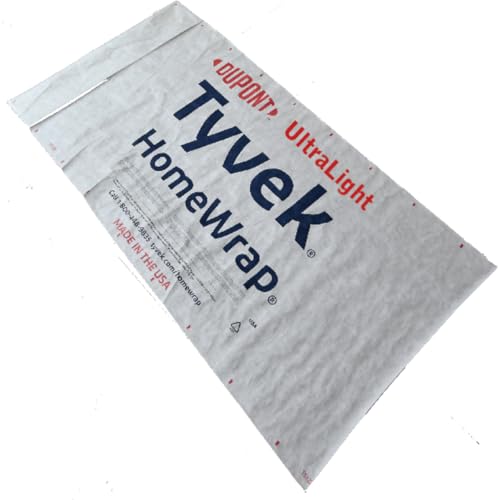
- Tyvek Ground Sheets – Durable, breathable, and lightweight. Tyvek is a popular choice for backpackers due to its strength-to-weight ratio. $15–$40
- Polycryo (Window Insulation Film) – The lightest option, often used by ultralight backpackers. It's fragile but effective for protecting against moisture. $10–$20
For most car campers, a custom-fit footprint or a universal tarp is the best choice. If you're backpacking, consider a Tyvek or Polycryo sheet to save weight.
How to Choose the Right Size
Your ground sheet should be slightly smaller than your tent floor. This ensures that rain running off the tent doesn't pool underneath the sheet, which can actually increase the risk of moisture seeping through.
- For custom footprints: Follow the manufacturer's size guide for your specific tent model.
- For tarps or universal sheets: Choose a size that is about 2–4 inches (5–10 cm) smaller than your tent's floor dimensions on all sides.
- Example: If your tent floor is 100" x 84", look for a ground sheet around 96" x 80".
If you're unsure, a camping tarp can be a great multi-purpose alternative. It can be folded to the right size and used as a shelter or rain cover when needed. Learn more about camping shelter options.
Materials: Which Is Best?
The material of your ground sheet affects its weight, durability, and packability. Here's a quick breakdown:
- Nylon: Lightweight, strong, and water-resistant. Often used in backpacking footprints.
- Polyester: More UV-resistant than nylon, making it a good choice for sunny campsites.
- Polyethylene (PE): Heavy but very durable and affordable. Common in cheap tarps.
- Tyvek: A synthetic material that is breathable, waterproof, and extremely tear-resistant. Great for minimalist campers.
- Polycryo: The lightest option, but also the least durable. Best for ultralight backpacking.
For most campers, a nylon or polyester ground sheet offers the best balance of durability, weight, and price. Check our guide on camping gear essentials for more tips.
How to Set Up a Ground Sheet
Proper installation is key to getting the most out of your ground sheet. Follow these steps:
- Clear the area: Remove any sharp rocks, sticks, or debris from the tent site.
- Spread the ground sheet: Lay it flat on the ground, ensuring it's centered where your tent will go.
- Fold edges under (if needed): If your ground sheet is larger than the tent floor, fold the excess under to prevent water from pooling.
- Set up your tent: Pitch your tent directly on top of the ground sheet. If using a custom footprint with grommets, connect the poles as usual.
- Check for gaps: Ensure the ground sheet is completely under the tent, with no exposed edges that could catch water.
This simple process adds a layer of protection that can save you from a wet night. For more setup tips, read our camping tips section.
Common Ground Sheet Mistakes
- Using a tarp that's too large: This can cause rainwater to pool under your tent, leading to moisture issues.
- Not clearing the ground: A sharp rock under the ground sheet can still puncture your tent floor.
- Forgetting to pack it: It's easy to forget, but a ground sheet is as important as your tent stakes.
- Not drying it before storage: Moisture trapped in the fold can cause mold and damage.
Avoid these mistakes, and your tent will stay dry and durable for many camping seasons. For families, our family camping checklist includes a ground sheet as a must-have item.
FAQs About Camping Ground Sheets
Do I really need a ground sheet? Yes! It's one of the most cost-effective ways to protect your tent and improve comfort.
Can I use a cheap tarp instead? Absolutely. A basic tarp works well, just make sure it's slightly smaller than your tent floor.
How do I clean my ground sheet? Shake off dirt, wipe with a damp cloth, and let it air dry completely before storing.
Is a ground sheet the same as a footprint? Yes. "Footprint" is the term often used by tent manufacturers for custom-fit ground sheets.
For more answers, browse our camping FAQ section.
Final Thoughts: A Small Investment, Big Returns
A quality camping ground sheet costs relatively little but provides significant protection for your tent. It keeps your sleeping area dry, prevents abrasion, and extends the life of your gear. Whether you're car camping or backpacking, adding a ground sheet to your kit is a smart, practical decision.
Ready to buy? Browse the recommended ground sheets below or explore our camping gear section for more essential items.