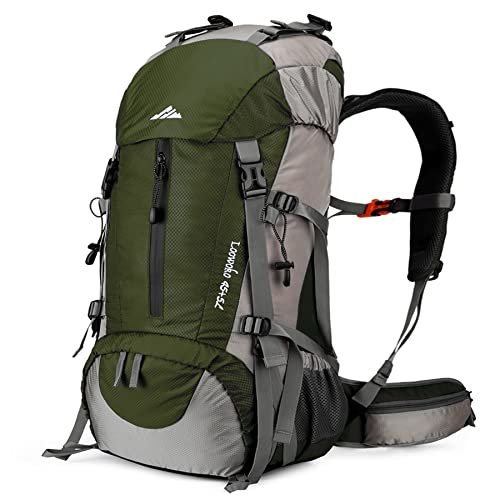
Camping Backpacks: The Ultimate Guide to Choosing Your Perfect Pack
Your backpack is more than just a bag—it's your mobile basecamp, your lifeline on the trail, and your most trusted companion. Learn how to choose the right one for your adventures.
VIEW RECOMMENDED BACKPACKSWhy Your Camping Backpack Matters
A well-chosen camping backpack can transform your outdoor experience. It determines how comfortably you carry your gear, how easily you access essentials, and ultimately how much you enjoy your time in nature. Whether you're planning a quick overnight trip or a multi-week thru-hike, the right pack distributes weight efficiently, protects your equipment, and moves with your body rather than against it.
Many campers make the mistake of choosing a backpack based solely on capacity or appearance. However, the best pack for you depends on your body type, the type of trips you take, and the specific gear you need to carry. This guide will walk you through every consideration, from volume and fit to materials and features, so you can make an informed decision.
Types of Camping Backpacks
Not all backpacks are created equal. Understanding the different categories will help you narrow down your options based on how you plan to use your pack. If you're new to backpacking, you might also want to read our backpacking for beginners guide for additional context.
1. Weekend Warriors (30–50 Liters)
These packs are ideal for one- to three-night trips. They're large enough to carry a 2-person backpacking tent, a comfortable sleeping bag, food, water, and clothing, yet compact enough to remain maneuverable on the trail. Many weekend packs feature adjustable suspension systems and multiple access points.
2. Multi-Day Expedition Packs (50–80 Liters)
For trips lasting four days to a week or more, you'll need a larger pack. These backpacks accommodate additional food, fuel, and specialized gear. They often include features like sleeping bag compartments, top-lid pockets, and side compression straps. If you're carrying a 4-person dome tent for a group trip, you'll likely need a pack in this range.
3. Ultralight Backpacks (Under 30 Liters, Minimalist Design)
Ultralight backpackers prioritize reducing every ounce. These packs are stripped of unnecessary features, using lighter fabrics and simpler suspension systems. They're best suited for experienced hikers with compact, lightweight gear. A 1-person pop-up tent and a 0-degree backpacking sleeping bag pair well with an ultralight setup.
4. Travel & Hybrid Packs
These backpacks bridge the gap between outdoor adventure and urban travel. They often feature panel-loading designs (like a suitcase), lockable zippers, and removable daypacks. They're excellent for campers who fly to their destination or combine camping with city exploration. Consider a camping backpack with tent and sleeping bag if you want an all-in-one solution.
5. Daypacks (15–30 Liters)
Perfect for short hikes from basecamp or summit attempts. A daypack carries water, snacks, a first aid kit, and a rain layer. They're also useful for car camping essentials organization. Pair one with your main pack for maximum versatility.
How to Choose the Right Capacity
Capacity is measured in liters and directly impacts how much gear you can carry. Here's a general guideline:
| Trip Duration | Recommended Capacity | Typical Use Case |
|---|---|---|
| Day hikes | 15–25 liters | Essentials only: water, snacks, rain jacket, first aid |
| Overnight | 30–40 liters | Minimal gear, solo or ultralight setups |
| Weekend (2–3 days) | 40–55 liters | Standard solo or couple's gear |
| Multi-day (4–7 days) | 55–75 liters | Full gear, food, and fuel for extended trips |
| Expedition (7+ days) | 75–100+ liters | Group gear, winter equipment, or remote expeditions |
Getting the Right Fit: Torso Length Matters Most
The single most important factor in backpack comfort is torso length—not your height or weight. A pack that's too short will ride uncomfortably on your shoulders, while one that's too long will sag and shift. Here's how to measure:
- Torso Length: Measure from the bony bump at the base of your neck (C7 vertebra) down to the top of your hip bones (iliac crest). This measurement determines your pack size.
- Hip Belt: The hip belt should wrap around your hip bones, not your waist. It should carry 80% of the pack's weight.
- Shoulder Straps: These should curve comfortably around your shoulders and chest without digging in. They primarily stabilize the pack, not carry the load.
- Sternum Strap: Adjustable across your chest, it keeps shoulder straps from slipping.
- Load Lifters: These small straps at the top of the shoulder straps pull the pack closer to your back for better balance.
Many modern backpacks offer adjustable suspension systems, allowing you to fine-tune torso length. If you're between sizes, size up—it's easier to adjust a slightly larger pack than to make a small one work.
For those who camp with dogs, a well-fitted pack also makes it easier to carry camping with dogs in a tent essentials like extra water and food.
Key Features to Look For
Beyond fit and capacity, these features significantly impact your experience:
Frame Type
- Internal Frame: Most common for camping. The frame is integrated into the pack, offering stability and load transfer without external protrusions. Ideal for uneven terrain.
- External Frame: The frame is outside the pack body. These packs carry heavy loads well and allow airflow between the pack and your back, but they're bulkier and less maneuverable in tight spaces.
- Frameless: Minimalist packs with no rigid frame. Best for ultralight backpackers carrying very light loads.
Material & Durability
- Nylon: Lightweight, durable, and water-resistant. Common in most camping backpacks. Denier ratings (e.g., 210D, 420D) indicate thickness—higher numbers mean more durability but also more weight.
- Polyester: Similar to nylon but slightly heavier and more UV-resistant. Often used in budget-friendly packs.
- Robic, Dyneema, and X-Pac: High-performance fabrics used in premium and ultralight packs. They offer exceptional strength-to-weight ratios.
Pockets & Organization
- Top Lid: Usually removable and often converts to a summit pack or hip pack.
- Side Pockets: Ideal for water bottles, camping towels, or trekking poles.
- Hip Belt Pockets: Perfect for snacks, phone, or a camping knife.
- Sleeping Bag Compartment: A separate bottom compartment keeps your bag accessible and isolated from other gear.
- Hydration Sleeve: A dedicated pocket for a water bladder with a hose port.
Ventilation
Back panel ventilation is crucial for comfort, especially in warm climates. Look for trampoline-style back panels or channeled foam that allows air to flow between your back and the pack.
Rain Cover
Some packs include an integrated rain cover; others require a separate purchase. If you camp in wet conditions—or plan to camp in a tent in rain—a rain cover is essential.
Entry-Level vs. Mid-Range vs. Premium Backpacks
Camping backpacks generally fall into three tiers. Understanding the differences helps you decide where to invest. Remember: there are no prices here—just relative positioning.
| Tier | Typical Characteristics | Best For |
|---|---|---|
| Entry-Level | Basic materials, simpler suspension, fewer pockets, heavier weight. Functional but less refined. | Occasional campers, beginners testing the waters, budget-conscious buyers. |
| Mid-Range | Better fabrics, adjustable suspension, improved ventilation, more thoughtful organization. | Regular campers, weekend backpackers, those seeking a balance of value and performance. |
| Premium | Advanced materials (Dyneema, X-Pac), custom fit options, ultralight designs, superior load transfer. | Serious backpackers, thru-hikers, expeditioners, ultralight enthusiasts. |
For most campers, a mid-range pack offers the best combination of comfort, durability, and features. Premium packs are worth the investment if you backpack frequently or carry heavy loads over long distances.
How to Pack Your Backpack for Balance and Comfort
Even the best backpack performs poorly if packed incorrectly. Follow these principles:
- Heaviest items closest to your spine and at shoulder level. This includes food, water, and heavy cookware. Place them in the middle of the pack, against your back.
- Lighter items go at the bottom and top. Sleeping bag at the bottom, camping electric blanket or extra layers at the top.
- Frequently used items in easy-to-reach pockets. Snacks, map, camping power bank, and first aid kit should be accessible without unpacking everything.
- Use compression straps to minimize movement. A shifting load wastes energy and can cause discomfort.
- Keep water accessible. Use side pockets or a hydration bladder. For extended trips, learn how to melt snow for water if you're camping in winter.
Caring for Your Camping Backpack
A well-maintained backpack can last for many seasons. Here's how to keep yours in top shape:
- Clean after every trip. Empty all pockets, shake out debris, and wipe down with a damp cloth. For deeper cleaning, use mild soap and water, then air dry away from direct sunlight.
- Repair minor damage immediately. Patch small tears with repair tape or a needle and thread before they worsen.
- Store properly. Hang your pack or store it loosely in a cool, dry place. Avoid compressing it for long periods, which can damage the frame and padding.
- Check zippers and buckles. Lubricate zippers with a silicone-based product if they become stiff. Replace broken buckles before your next trip.
- Use a rain cover. Even water-resistant packs can soak through in prolonged rain. A rain cover protects your gear and extends the life of your pack.
Frequently Asked Questions About Camping Backpacks
What size backpack do I need for camping?
It depends on trip duration and your gear. For overnight trips, 30–50 liters is typical. For weekend trips, 40–60 liters. For multi-day excursions, 50–80 liters. If you're carrying group gear or winter equipment, you may need 80 liters or more. Always consider the bulk of your winter sleeping bags and winter tents if camping in cold weather.
How do I know if a backpack fits properly?
A properly fitted backpack should carry 80% of its weight on your hips, not your shoulders. The hip belt should wrap around your hip bones, and the shoulder straps should curve comfortably without digging in. Torso length is the key measurement—get professionally fitted if possible.
Is it better to have an internal or external frame backpack?
Internal frame backpacks are better for most campers. They're more stable on uneven terrain, more maneuverable in tight spaces, and generally more comfortable for carrying moderate to heavy loads. External frame packs are better for carrying exceptionally heavy loads on established trails and offer better airflow, but they're bulkier and less agile.
Can I use a camping backpack as a carry-on for flights?
Many travel-oriented backpacks in the 30–45 liter range are designed to meet carry-on size restrictions. Look for packs with panel-loading designs, lockable zippers, and removable daypacks. Always check your airline's specific size requirements before flying. If you're combining camping with travel, read our guide to camping destinations for inspiration.
How much weight can a camping backpack carry?
It varies by pack design. Entry-level packs typically handle 20–30 pounds comfortably. Mid-range packs can carry 30–50 pounds. Premium expedition packs can handle 50–70 pounds or more. Always stay within the manufacturer's recommended weight limit for optimal comfort and safety.
Do I need a rain cover for my backpack?
Yes, especially if you camp in wet climates or during rainy seasons. While many backpacks have water-resistant coatings, prolonged exposure to rain will eventually soak through. A rain cover is a small investment that protects your gear and keeps your pack lightweight. If you're camping in rain, also read our tips for camping in a tent in rain.
How should I pack a backpack for hiking?
Place heavy items (food, water, cookware) in the middle of the pack, close to your spine. Put lighter items like your sleeping bag at the bottom and extra layers at the top. Keep frequently used items in hip belt pockets or side pockets. Use compression straps to stabilize the load. For a complete list of what to bring, see our camping checklist.
Can I camp without a backpack?
Absolutely. Many campers use car camping essentials and don't need a backpack at all. However, if you plan to hike away from your vehicle—even for a day—a backpack is invaluable. A daypack also serves as a good organizer for camping storage and organization.
Final Thoughts: Invest in Comfort, Reap the Rewards
Your camping backpack is one of the few pieces of gear you'll interact with every moment of your trip. It carries your shelter, your food, your water, and your safety equipment. Choosing the right one—and packing it correctly—can mean the difference between an exhausting slog and a joyful adventure.
Prioritize fit, choose a capacity that matches your typical trips, and don't overlook features like ventilation and organization. Whether you're a beginner or a seasoned backpacker, the right pack will serve you for years. And when you're ready to explore, check our guides to camping spots and the best time to camp to plan your next journey.
Remember: the best backpack is the one that fits you, carries your gear comfortably, and inspires you to get outside. Happy trails!