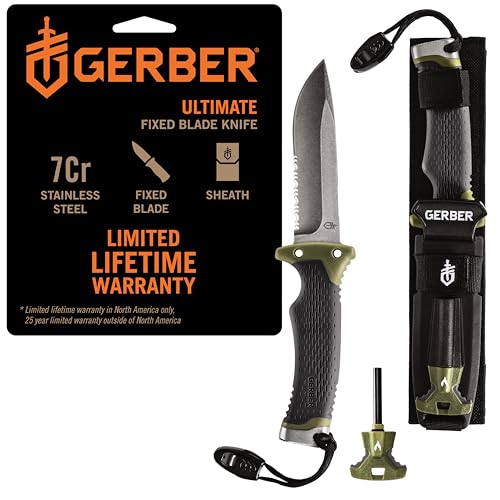
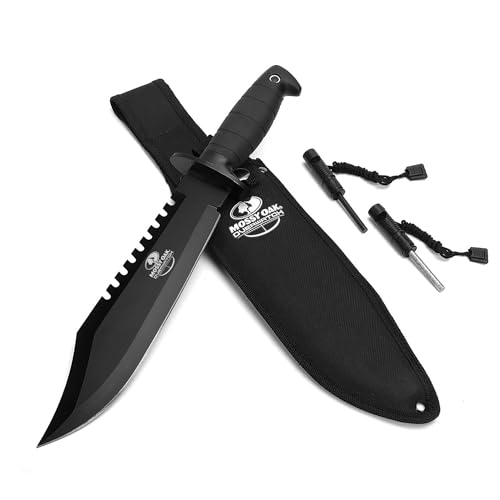
Fixed-Blade Knives: The Workhorse
The most durable option for heavy-duty tasks like batoning wood, food prep, and emergency use. A full-tang fixed-blade is the top recommendation for serious campers.
Read More →
A camping knife is the most important tool you'll carry. Learn how to choose the right fixed-blade, folding, or bushcraft knife for your outdoor adventures, and understand the features that matter most for safety and performance.
START EXPLORINGWhy Your Camping Knife Matters: From preparing kindling for a campfire to food prep and emergency repairs, a reliable knife is the cornerstone of any outdoor toolkit. The right choice depends on your camping style, not just the latest trend. This guide will help you cut through the noise.
For many campers, the knife is a deeply personal piece of gear. It's not just a tool; it's a safety essential, a kitchen utensil, and a survival asset all in one. However, the sheer number of options—from slender folding knives to robust fixed-blade survival tools—can be overwhelming. Before you invest, it's wise to understand the basics of camp cooking and food preparation, as your knife will be a key part of that process. You can learn more about meal planning with our guide on food to cook over a fire.
This guide is designed for the researcher who knows they need a quality knife but isn't sure which one. We will break down the essential types, blade materials, and key features. We'll also explore the difference between a dedicated camping knife and a general-purpose camping knife you might already have in your kitchen drawer.

The most durable option for heavy-duty tasks like batoning wood, food prep, and emergency use. A full-tang fixed-blade is the top recommendation for serious campers.
Read More →
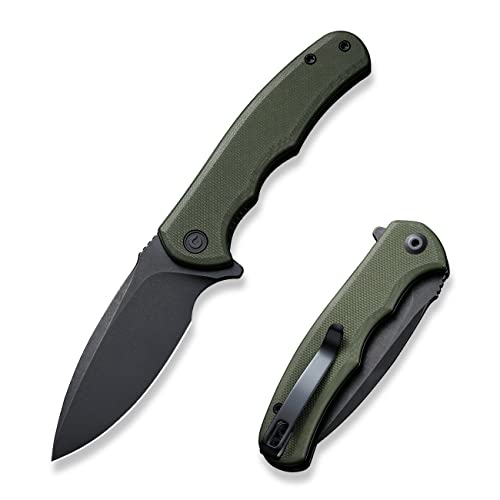
Perfect for backpacking and everyday carry. They are lightweight and safe to store, but generally less robust than fixed-blade models. Look for a solid locking mechanism.
Read More →
Designed for woodworking and survival tasks. They typically feature a scandi grind and a strong, thick blade, ideal for wilderness first aid and shelter building.
Read More →| Feature | Fixed-Blade Knife | Folding Knife |
|---|---|---|
| Durability | High-end / Top-tier | Mid-range / Entry-level |
| Portability | Mid-range (requires sheath) | High-end / Premium (fits in pocket) |
| Safety | High-end (no moving parts) | Mid-range (depends on lock) |
| Best Use Case | Survival, Bushcraft, Heavy-duty | Backpacking, Everyday Carry, Light tasks |
| Maintenance | Easier to clean | Requires more care to clean joints |
When you're ready to compare models, pay close attention to these features. A blade made from high-carbon steel will hold an edge longer but requires more maintenance, while stainless steel is more rust-resistant. The handle material is equally important for a secure grip, especially in wet conditions. For a complete picture of your outdoor gear, it's also helpful to understand the basics of layering clothing for winter, as your knife is part of a system.
Another critical factor is the blade grind. A flat grind is versatile, a hollow grind is excellent for slicing, and a scandi grind is a favorite for bushcraft. Your choice here should align with your primary camping activities, whether that's camping breakfast prep or carving wood for a fire. Always check local regulations before you go, as some areas have specific rules. You can find general guidance in our camping FAQ.
A mid-range folding knife from a reputable brand is an excellent starting point. It's versatile, portable, and affordable. Look for a sturdy locking mechanism and a blade length between 3 and 4 inches. This size is manageable for food prep and light tasks without being intimidating.
It depends on your needs. A fixed-blade knife is stronger, more reliable, and better for heavy-duty tasks like batoning wood. A folding knife is more convenient, lighter, and easier to carry. Many experienced campers carry both: a sturdy fixed-blade for camp chores and a small folding knife for pocket carry.
Keep it clean and dry. After use, wipe the blade with a damp cloth, dry it thoroughly, and apply a thin coat of oil to prevent rust, especially on high-carbon steel. Sharpen it regularly with a whetstone or a guided sharpening system to maintain its edge.
⚠️ AFFILIATE DISCLOSURE: This website contains affiliate links. As an Amazon Associate, we earn from qualifying purchases. If you make a purchase through these links, we may receive a small commission at no additional cost to you. Read our full affiliate policy.





Outdoor activities involve inherent risks. The information provided on CampLifeEssentials is for educational purposes only. We are not responsible for any injuries, losses, or damages resulting from the use of this information. Some content may use AI assistance. Always practice Leave No Trace principles and verify local regulations before camping. If you do not agree, please do not use this website. Read the full disclaimer.