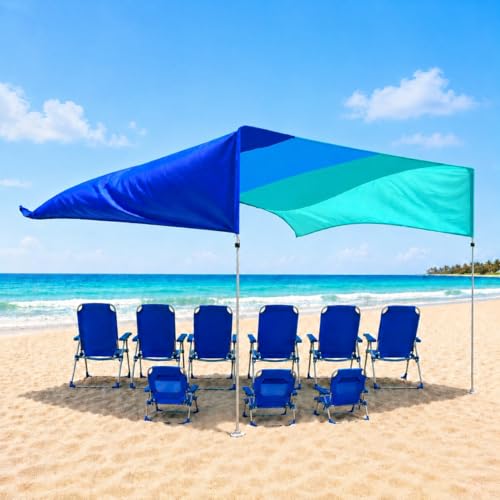
Beach Shade Sail: The Ultimate Guide to Sun Protection
Learn how to choose, set up, and maintain a beach shade sail for a cooler, safer, and more enjoyable day by the water.
START READINGWhy a Beach Shade Sail? A beach shade sail is one of the most versatile and effective ways to create a comfortable, UV-protected space outdoors. Unlike traditional umbrellas, a sun sail can be configured in multiple ways to adapt to the sun's angle, wind direction, and your specific needs.
What Is a Beach Shade Sail?
A beach shade sail is a piece of fabric—typically made from high-density polyethylene (HDPE) or a similar UV-resistant material—that is stretched between anchor points to create a shaded area. Originally used in residential landscaping, these sails have become increasingly popular for beach trips, camping, and other outdoor adventures because they are lightweight, portable, and highly effective at blocking harmful UV rays.
Unlike a traditional beach umbrella, which offers a fixed, circular shadow, a shade sail can be positioned at various angles to maximize coverage throughout the day. This makes it an excellent choice for families, groups, and anyone who wants to spend extended time outdoors without worrying about sunburn or heat exhaustion.
Key Benefits of Using a Beach Shade Sail
There are several compelling reasons to consider a shade sail for your next beach outing. First and foremost is superior UV protection. Quality sails are designed to block up to 95% of harmful UVA and UVB rays, significantly reducing the risk of sunburn and long-term skin damage. This is especially important for children and individuals with fair skin.
Second, a shade sail provides better air circulation than a traditional tent or canopy. Because the fabric is suspended above you rather than enclosing you, heat doesn't get trapped underneath. This creates a cooler, more comfortable environment even on the hottest days. For those who enjoy beach camping, this can make a significant difference in overall comfort.
Third, shade sails are incredibly versatile and portable. Most models fold down into a compact carrying bag, making them easy to transport in a backpack or car. They can be set up using poles, trees, rocks, or even your vehicle, giving you flexibility in a wide range of environments. If you're looking for a more structured shelter, you might also consider a top-rated beach canopy, but a sail remains the lighter and more adaptable option.
How to Choose the Right Beach Shade Sail
Selecting the right shade sail depends on several factors, including the size of your group, the typical weather conditions at your destination, and how you plan to anchor it. Here are the most important considerations:
- Material: Look for HDPE or a similar UV-stabilized fabric. Entry-level sails may use thinner material, while mid-range and premium options offer denser weaves for better sun blockage and durability.
- Size and Shape: Triangular sails are the most common and easiest to tension. Square and rectangular sails offer more coverage but require more anchor points. For a small family, a triangle with sides of 10 to 12 feet is usually sufficient. Larger groups may benefit from a wind-powered beach shade or multiple sails.
- Anchoring System: Most sails come with reinforced corners and D-rings. You'll need ropes, poles, or sand anchors to secure it. Some premium models include telescoping poles for easy setup on sand.
- Portability: Consider the weight and packed size. If you're hiking to a remote beach, a lightweight sail is essential. For car camping, a slightly heavier but more durable option may be preferable.
When comparing options, think in terms of quality tiers rather than specific prices. Entry-level sails are a good starting point for occasional use, while mid-range models offer a better balance of durability and performance. Premium and luxury sails are designed for frequent use and harsh conditions, often featuring reinforced stitching, higher UV ratings, and superior hardware.
How to Set Up a Beach Shade Sail
Setting up a shade sail is straightforward once you understand the basics. Here is a step-by-step guide:
- Choose Your Location: Look for a spot with natural anchor points, such as trees or large rocks. If none are available, you'll need to use poles or sand anchors. Avoid areas with heavy foot traffic or potential hazards.
- Unpack and Orient the Sail: Lay the sail flat on the ground and identify the corners. Most sails have a slightly curved edge (the catenary curve) that should face outward to help with tension.
- Attach Ropes to the D-Rings: Use sturdy ropes or straps. A simple bowline knot or a carabiner clip works well. Ensure the ropes are long enough to reach your anchor points.
- Anchor the First Corner: Secure one corner to a solid anchor. This will be your starting point.
- Tension the Sail: Attach the opposite corner and pull it tight. The sail should be taut but not overly stretched. Repeat for the remaining corners, adjusting tension as needed.
- Adjust for Sun Angle: As the sun moves, you can adjust the height and angle of the sail by re-tying ropes or repositioning poles. This is one of the key advantages over a fixed umbrella.
For a more detailed look at setting up shelter on the beach, you might find our guide on setting up a tent on the beach helpful, as many of the same principles apply.
Maintenance and Care Tips
To ensure your beach shade sail lasts for many seasons, proper care is essential. Always inspect the fabric and hardware before each trip. Look for signs of wear, such as fraying edges or rusted D-rings. Clean the sail with mild soap and water, and allow it to dry completely before storing it in a cool, dry place. Avoid using harsh chemicals or abrasive brushes, as these can damage the UV-resistant coating.
If you're using your sail in a windy environment, take it down during strong gusts to prevent damage. A sail that is properly tensioned can withstand moderate winds, but extreme conditions can cause tearing or bending of poles. For additional protection against the elements, consider pairing your sail with a tent and tarp setup for a fully customizable shelter system.
Beach Shade Sail vs. Other Sun Protection Options
How does a shade sail compare to other popular beach shelters? Let's take a look:
- Beach Umbrella: Easier to set up but offers limited coverage and can be unstable in wind. A sail provides more shade and better airflow.
- Pop-Up Canopy: Offers excellent coverage and is freestanding, but is heavier and bulkier. A sail is more portable and versatile. For those who prefer a canopy, a smallest pop-up canopy is a good alternative.
- Beach Tent: Provides full enclosure and privacy, but can trap heat. A sail is open and airy, making it more comfortable in hot weather.
- Wind-Powered Shade: Some innovative designs use wind to create a steady breeze under the shade. These can be a great option for very hot, still days.
Ultimately, the best choice depends on your priorities. If portability and airflow are most important, a shade sail is hard to beat. If you need a fully enclosed space for changing or sleeping, a pop-up beach tent may be more suitable.
Frequently Asked Questions
Can I use a beach shade sail in my backyard?
Absolutely. Shade sails are popular for patios, gardens, and pools. Just ensure you have sturdy anchor points.
How do I clean a shade sail?
Use a mild detergent and water. Avoid bleach and harsh chemicals. Rinse thoroughly and air dry.
What size sail do I need?
For a small group of 2-4 people, a triangle with 10-12 foot sides is usually sufficient. Larger groups may need a 16-foot or larger sail, or multiple sails.
Can I leave my shade sail up permanently?
It's not recommended. Prolonged exposure to sun and weather can degrade the fabric. It's best to take it down when not in use.
Are shade sails safe for children?
Yes, as long as they are properly anchored and supervised. Ensure all ropes and hardware are secure and out of reach of small children.