Ultra Lightweight Tents for Backpacking: The Ultimate Guide
Finding the perfect lightweight shelter is one of the most critical decisions for any backpacker. This guide breaks down everything you need to know about ultra lightweight tents—from key features and top recommendations to choosing the right size and setup tips.
When you're carrying everything on your back for miles, every ounce matters. An ultra lightweight tent can significantly reduce your pack weight, leaving you with more energy to enjoy the trail. But with so many options available, how do you choose the right one? This guide will walk you through the essential features, materials, and designs to help you make an informed decision.
Whether you're a seasoned thru-hiker or a weekend warrior, selecting the right shelter is key to a successful and enjoyable trip. Let's dive into the world of ultralight backpacking tents.
What Defines an Ultra Lightweight Tent?
An ultralight tent typically weighs under 3 pounds (1.36 kg) for a two-person model. These tents achieve their low weight through careful material selection and minimalist designs. Here are the key factors to consider:
Key Materials & Design Elements
Silnylon (silicone-coated nylon) and Dyneema Composite Fabric (DCF, formerly Cuben Fiber) are the go-to materials for ultralight tents. DCF is lighter and more water-resistant but more expensive. Silnylon is more durable and budget-friendly.
DAC aluminum alloys are the industry standard for balancing weight and strength. Some ultralight tents use carbon fiber poles to shave off even more weight.
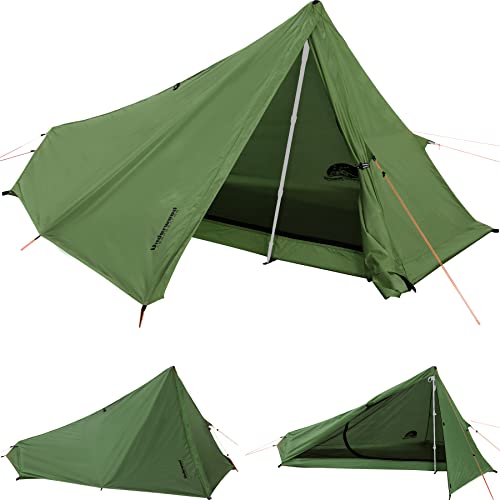
Trekking pole tents (using your hiking poles for support) are popular for their light weight. Semi-freestanding and fully freestanding designs offer more convenience but weigh slightly more.
Most ultralight tents have a floor thickness of 20D to 30D nylon. A waterproof rainfly is essential for protection. Some models use a single-wall design to save weight.
When choosing, consider the balance between weight, durability, and price. A lighter tent often means a higher cost, but the investment pays off in reduced pack weight on long trails.
Choosing the Right Tent Size
Selecting the correct capacity is crucial for comfort and pack weight. Here's a breakdown based on your needs:
1-Person Tents
Weighing 1.5–2.5 lbs, these are perfect for solo adventurers. Look for a model with enough length for your sleeping pad and a vestibule for gear storage.
2-Person Tents
Ideal for solo hikers wanting extra space or for two people. Weighing 2.5–3.5 lbs, many can comfortably fit two sleeping pads.
3-Person Tents
Great for two people who want luxury space or a small group. Weighing 3.5–5 lbs, these offer more room for gear and comfort.
Remember, manufacturer capacity ratings can be optimistic. For a comfortable fit, consider one size larger than you think you need, especially if you're tall or carrying a lot of gear.
Top Picks for Ultra Lightweight Tents
Based on extensive research and user reviews, here are some of the best ultra lightweight tents in different categories. These selections represent the current market leaders in performance, weight, and reliability.
Best All-Around Ultralight
ZPacks Duplex (Dyneema) - Weighing just 1.19 lbs (540g), this iconic trekking pole tent offers exceptional space for a two-person shelter. Its DCF construction provides excellent weather resistance and longevity.
Price: $600–$700
Best Budget Ultralight
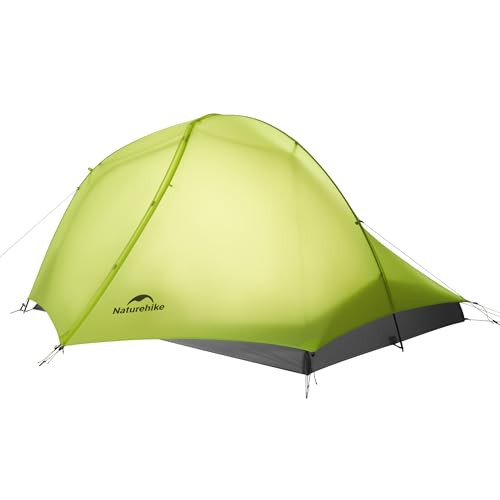
Naturehike Cloud Up 2 - A fantastic value option for beginners, weighing around 3.3 lbs (1.5 kg). While not the lightest, it offers excellent features, including a double-wall design and a full rainfly for a fraction of the cost.
Price: $150–$180
Best Freestanding Ultralight
Big Agnes Tiger Wall UL2 - A semi-freestanding tent that weighs approximately 2.6 lbs (1.18 kg). Its lightweight DAC poles and easy setup make it a favorite for backpackers who want convenience without sacrificing weight.
Price: $350–$450
Best for Solo Thru-Hiking
Zpacks Plex Solo - A single-wall, trekking pole shelter designed specifically for one person. Weighing in at just 13.9 oz (394g), it's incredibly light and offers good weather protection for a minimalist setup.
Price: $500–$600
For more detailed reviews on these models and others, check out our backpacking gear guides.
Ultra Lightweight Tent Comparison: Key Factors
When comparing different tents, you'll come across several technical specifications. Here's a breakdown of what they mean:
Understanding Technical Specs
Look for "minimum trail weight" (includes tent body, fly, and poles). "Packaged weight" often includes stakes, stuff sacks, and repair kits.
For two-person tents, look for at least 28-30 sq ft for comfortable sleeping and a vestibule for gear storage.
Measured from the floor to the highest point. A taller peak (around 42-48 inches) allows you to sit up comfortably.
Two doors allow for easier access and better ventilation, especially useful for two people.
Some tents are designed specifically for certain types of backpacking. For example, if you're planning a trip in wet conditions, consider the tent's ability to handle condensation. A double-wall design can be better at managing moisture compared to some single-wall options. For more on this, explore our guide to comfortable sleeping pads to ensure a good night's rest.
Ultra Lightweight Tent Setup Tips
Even the best tent can be a challenge if you don't know how to set it up properly. Here are some essential tips:
- Practice at Home: Set up your tent in your backyard or living room before heading out. Familiarity will save you time and stress on the trail.
- Choose the Right Site: Look for a flat area free of rocks and sharp objects. Use a footprint or groundsheet to protect your tent floor.
- Stake Out Properly: Keep your tent taut, especially the rainfly, to optimize weather resistance and ventilation.
- Ventilation is Key: Use the vestibules and mesh panels to manage condensation. Even in cold weather, some airflow is crucial.
If you're new to ultralight camping, we recommend starting with a simpler design. The easiest backpacking tent to set up can make your first few trips much more enjoyable.
Materials and Technologies in Ultralight Tents
The evolution of tent materials has been a game-changer for ultralight backpacking. Here's what you need to know:
Fabric Innovations
Extremely lightweight, high strength-to-weight ratio, and waterproof. However, it is more expensive and can be less durable against abrasion than nylon.
A great all-around material that is durable, affordable, and offers good water resistance. It can stretch when wet, which is a minor drawback.
Less common but offers excellent UV resistance and less sagging than nylon when wet. It is often used in budget tents.
DAC aluminum poles are renowned for their balance of strength and low weight. Many advanced tents now incorporate these premium poles for durability.
Investing in a tent with high-quality materials pays off in the long run. A well-constructed ultralight tent will last for many seasons of backpacking. For those looking to save on pack weight, consider also using a lightweight portable lounge chair for maximum comfort at camp.
Maintaining Your Ultra Lightweight Tent
To ensure your gear lasts for years, follow these simple maintenance steps:
- Clean Gently: Use mild soap and cold water to clean your tent. Never use detergents or bleach, which can damage the waterproof coatings.
- Dry Completely: Always dry your tent thoroughly before packing it away. This prevents mold and mildew, which can ruin the fabric.
- Repair Quickly: If you notice a small tear, repair it with a patch or tape as soon as possible to prevent it from getting bigger.
- Store Loosely: Avoid storing your tent in a stuff sack for long periods. Instead, store it loosely in a large bag to prevent creases and material fatigue.
Proper care will maintain the waterproofing and structural integrity of your tent. For more on keeping your gear in top shape, check out our guide on camping gear maintenance.
Conclusion: Choosing Your Perfect Shelter
Selecting an ultra lightweight tent for backpacking is a personal decision that depends on your specific needs, budget, and the type of trips you plan to take. The right tent will protect you from the elements, provide a comfortable place to rest, and not weigh you down on your adventures.
Remember to prioritize weight, durability, and capacity based on your typical hiking style. Test your setup before embarking on a long journey to ensure it meets all your expectations.
Ready to lighten your load? Browse our curated selection of top-rated ultralight tents and other backpacking essentials to prepare for your next trail.
Ready to Find Your Tent?
Explore our top picks and start planning your next lightweight backpacking adventure today.
Shop Recommended Tents