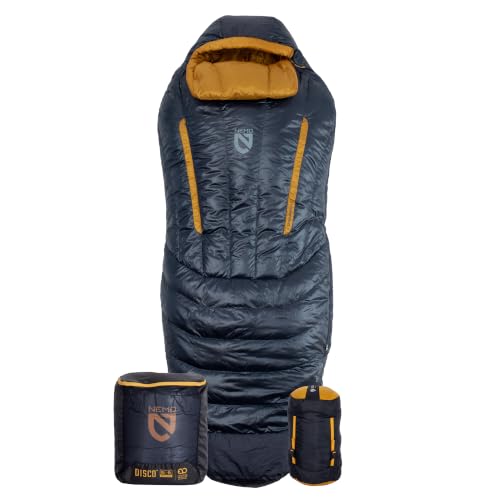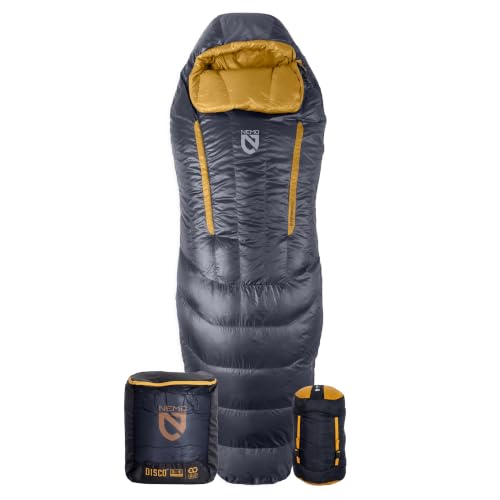
15 Degree Sleeping Bag for Backpacking: The Ultimate 3-Season Companion
Expert reviews, buying guide, and top recommendations for your next backpacking adventure.
Finding the right sleeping bag is one of the most critical decisions for any backpacker. A 15-degree sleeping bag represents the sweet spot for three-season adventures, offering the warmth needed for chilly spring and fall nights while remaining light and packable enough for summer treks into higher elevations [citation:5]. Whether you're planning a weekend in the Rockies or a thru-hike of the Appalachian Trail, this temperature rating provides the versatility and dependability you need.
This guide will walk you through everything you need to know: what a 15-degree rating really means, key features to consider like insulation type and weight, and reviews of the best models on the market today. By the end, you'll be equipped to choose the perfect sleeping bag for your backpacking style.
Understanding the 15-Degree Temperature Rating
It's important to understand that a 15°F rating is a standardized measure, but it doesn't guarantee comfort for everyone at that exact temperature. The rating is typically a "lower limit" for men, meaning a man can sleep in a curled position without waking up cold. For women, the "comfort" rating is usually higher (closer to 25°F) [citation:5][citation:8]. Factors like whether you sleep warm or cold, your sleeping pad's insulation (R-value), and your clothing all play a significant role in your actual comfort.
For most backpackers, a 15-degree bag is ideal for three-season use (spring, summer, fall). It handles temperatures down to freezing and slightly below, making it a reliable choice for shoulder seasons and high-altitude camping [citation:6].
Down vs. Synthetic Insulation: What's Best for You?
This is the most important choice you'll make. Each material has distinct advantages depending on your priorities.
- Down Insulation: Offers the best warmth-to-weight ratio and compressibility, making it the top choice for backpackers looking to save weight and pack space [citation:7]. High-quality down (measured in fill power) is also incredibly durable and comfortable. However, it loses its insulating properties when wet and is generally more expensive. Look for bags with responsibly sourced down (RDS) and water-resistant treatments [citation:5][citation:11].
- Synthetic Insulation: Performs better when wet, retains warmth even if damp, and is more affordable. It's also hypoallergenic. The main drawbacks are that it's heavier and bulkier than down, making it less ideal for long backpacking trips where every ounce matters [citation:9].
Recommendation: If budget allows and you prioritize lightweight and packability for multi-day trips, down is the superior choice. For weekend warriors, budget-conscious buyers, or those expecting wet conditions, synthetic is a great option.
Top 15-Degree Sleeping Bags for Backpacking
Here are our top recommendations, balancing performance, weight, and value.
At a Glance: Best 15-Degree Bags
| Model | Insulation | Weight | Price (Est.) | Best For |
|---|---|---|---|---|
| Exped Terra 15 | 650-fill Down | ~3 lbs | $250 [citation:1] | Best Value / Versatile |
| REI Co-op Magma 15 | 850-fill Down | 2 lbs 9 oz [citation:3] | $399+ | Ultralight / Performance |
| Marmot Sawtooth 15 | 650-fill Down | 2 lbs 8 oz [citation:8] | $309 [citation:8] | Roomy / Comfort |
| Hyke & Byke Quandary 15 | 650-fill Down | 2.89 lbs (Long) [citation:11] | ~$200 | Budget Down Bag |
1. Exped Terra 15: The Best Value Backpacking Bag
The new Exped Terra 15 is a game-changer for budget-conscious backpackers. It offers the warmth and packability of 650-fill down insulation at a price that's hard to beat ($250) [citation:1][citation:5]. Reviewers praise its soft-touch fabric, comfortable hood, and effective draft collar, which are features usually found on much more expensive bags [citation:5]. While it's not the lightest option on the market (around 3 lbs), its balance of price, performance, and features makes it an outstanding choice for weekend warriors and multi-sport adventurers [citation:5].
One reviewer noted it's a great "backpacking gear" option that keeps you warm even in windy conditions during shoulder seasons [citation:5].
2. REI Co-op Magma 15: The Ultralight Performer
If saving weight is your top priority, the REI Co-op Magma 15 is a top-tier contender. Filled with high-loft 850-fill down, this bag weighs just 2 pounds 9 ounces, making it one of the lightest in its class [citation:3]. Backpackers rave about its exceptional warmth-to-weight ratio and compressibility, which is crucial for long treks [citation:7]. The bag features a well-designed hood, a smooth zipper, and an internal pocket that's perfect for a headlamp or phone [citation:3]. It's more expensive, but for ultralight enthusiasts, the investment is worth it for the weight savings.
It's the kind of bag that makes you want to explore camping destinations even further from the trailhead.
3. Marmot Sawtooth 15: The Roomy and Comfortable Choice
For backpackers who value comfort and don't want to feel constricted, the Marmot Sawtooth 15 is an excellent option. Its mummy shape is designed with more room in the shoulders and hips, providing a more spacious sleeping experience [citation:8]. Filled with 650-fill down, it's still lightweight and compressible at 2 lbs 8 oz [citation:8]. Users love its durability and the additional room, with one 6'2" reviewer calling it the first bag he felt truly comfortable in [citation:8].
4. Hyke & Byke Quandary 15: A Solid Budget Down Option
This bag proves you don't have to spend a fortune to get a reliable down sleeping bag. The Hyke & Byke Quandary 15 uses 650-fill down and a water-resistant shell to deliver solid performance at a lower price point [citation:11]. It's designed for thru-hiking and backpacking, offering a good weight-to-warmth ratio (2.89 lbs for the Long version) [citation:11]. It's a fantastic choice for those getting into backpacking or looking for a second bag without breaking the bank.
How to Choose the Right 15-Degree Bag
Beyond temperature rating, consider these factors:
- Weight and Packed Size: For backpacking, every ounce counts. Look for bags under 3 pounds if possible. Down bags offer the best compressibility, saving valuable space in your pack [citation:7].
- Fit and Shape: Mummy bags are the most efficient for warmth but can feel restrictive. Some brands like Marmot offer roomier fits. Ensure the bag's length is appropriate for your height [citation:2][citation:8].
- Features: Look for a well-designed hood, a draft collar to trap warm air, an anti-snag zipper, and a stash pocket for small items [citation:5][citation:8].
- Sleeping Pad Compatibility: A sleeping pad with a high R-value (insulation rating) is essential for warmth. Some bags, like the Big Agnes Anvil Horn, even feature a pad sleeve to prevent you from rolling off [citation:4].
Remember, a sleeping bag is an investment in your comfort and safety. Choosing a bag that's too heavy or too bulky can make a trip miserable, while one that's not warm enough can be dangerous. Take your time to find the right one for your needs.
If you're new to backpacking, you might also find our guide on first time camping tips helpful for planning your trip.
Frequently Asked Questions
Is a 15-degree bag too warm for summer?
It can be. For warm summer nights, you'll likely need to unzip it and use it as a quilt to prevent overheating. Many bags have dual zippers to allow for ventilation from the foot box [citation:10].
Can I use a 15-degree bag for winter camping?
It depends. For mild winter conditions or if you're a warm sleeper, it might suffice with extra layers and a high-R-value pad. However, for true cold-weather camping, a 0-degree or lower rated bag is recommended. Check out our winter camping guide for more advice.
What is the difference between men's and women's sleeping bags?
Women's bags are typically shaped differently (wider at the hips, narrower at the shoulders), have more insulation in the foot and torso areas, and their temperature rating reflects a "comfort" rating rather than a "lower limit" [citation:5].
How do I care for my down sleeping bag?
Store it loosely in a large cotton storage sack, not compressed in the stuff sack. Wash it infrequently using a specialized down wash and follow the manufacturer's instructions carefully.
For more questions, visit our camping FAQ section.