
Winter Camping Tent with Wood Stove: The Ultimate Hot Tent Guide
Master the art of hot tenting with our comprehensive guide to winter camping tents with wood stoves. Learn how to choose the right tent, stove, and gear for a warm and safe cold-weather adventure.
Start Your Hot Tent JourneyWhy a Winter Camping Tent with a Wood Stove Changes Everything
Winter camping offers a serene and breathtaking experience that summer camping simply cannot match. The quiet solitude of a snow-covered forest, the crisp air, and the star-filled skies create memories that last a lifetime. However, the biggest barrier for many campers is the cold. This is where a winter camping tent with a wood stove transforms the experience from a test of endurance into a genuinely comfortable retreat.
Unlike traditional camping tents, a hot tent is specifically designed to accommodate a wood-burning stove. These tents feature a fire-resistant stove jack—a specialized port that allows the stovepipe to exit the tent safely while keeping the interior warm and dry. The result is a cozy, heated living space where you can relax, cook, and sleep comfortably even when temperatures drop well below freezing.
Whether you are a seasoned winter adventurer or a curious beginner, this guide will walk you through everything you need to know about choosing the best winter camping tent with a wood stove. We'll cover the key features to look for, the types of stoves available, essential safety practices, and expert tips to make your hot tenting experience a resounding success. For those just getting started with cold-weather camping in general, our winter camping guide provides a solid foundation.
Pro Tip: Hot tenting is a skill that combines the joys of camping with the comfort of a rustic cabin. Before you invest in a complete setup, consider renting or borrowing a hot tent to see if this style of camping suits your needs and adventure style.
What Exactly Is a Hot Tent?
The term "hot tent" refers to a tent that is designed to be used with a heat source, typically a wood-burning stove. These tents are distinct from standard three-season tents in several critical ways. The most obvious difference is the stove jack—a heat-resistant patch, usually made of fiberglass or silicone, that is sewn into the tent's roof or wall. This jack allows the stovepipe to pass through the tent fabric without melting or catching fire.
Beyond the stove jack, hot tents are constructed from heavier, more durable materials that can withstand the rigors of winter weather and the heat of a stove. They often feature a pyramid or bell shape, which naturally sheds snow and provides ample headroom. Many models also include reinforced seams, heavy-duty zippers, and snow skirts to seal out drafts.
The benefits of a hot tent are numerous. In addition to keeping you warm, the stove allows you to dry wet clothing, melt snow for drinking water, and even cook meals without leaving the comfort of your shelter. This makes hot tenting an excellent option for extended winter trips where comfort and morale are paramount. If you are interested in exploring other winter shelter options, our article on winter tents covers a broader range of designs.
Key Features to Look for in a Winter Camping Tent with Wood Stove
Not all hot tents are created equal. When shopping for a winter camping tent with a wood stove, consider the following features to ensure you get a shelter that meets your needs for safety, comfort, and durability.
1. Stove Jack Configuration
The stove jack is the heart of any hot tent. Look for a jack that is made from high-temperature materials and is positioned to allow for proper clearance between the stovepipe and the tent walls. Some tents come with pre-installed jacks, while others require you to cut and install your own. Pre-installed jacks are generally more convenient and less prone to installation errors.
Consider the diameter of the stovepipe you plan to use. Most standard stove jacks accommodate pipes ranging from 2 to 4 inches in diameter. If you plan to use a larger stove, ensure the jack can accommodate the corresponding pipe size.
2. Tent Material and Construction
Hot tents are typically made from materials such as heavy-duty canvas, polyester, or nylon. Canvas is a traditional choice that offers excellent breathability and durability, but it is heavier and more expensive. Polyester and nylon are lighter and more packable, making them a good choice for backpackers. Regardless of the material, ensure the tent has a high hydrostatic head rating (for waterproofing) and taped or sealed seams.
The tent's shape also matters. Pyramid and bell tents are popular for hot tenting because their steep walls shed snow effectively and their single-pole design creates a spacious interior. Cabin-style hot tents offer more vertical walls and room for furniture, but they may not shed snow as efficiently. For those who prioritize warmth and portability, a tent for winter camping with stove that balances these factors is ideal.
3. Size and Capacity
Hot tents come in a range of sizes, from small two-person shelters to large basecamp models that can sleep six or more. The right size depends on how many people will be using the tent and how much gear you need to store. Remember that you will need to allocate space for the stove and a safe clearance zone around it. As a general rule, add one to two person capacities to your actual group size to account for the stove and gear.
4. Ventilation
Proper ventilation is critical in a hot tent. While the stove provides heat, it also consumes oxygen and produces carbon monoxide. A well-designed hot tent will have multiple ventilation options, such as roof vents, mesh panels, and adjustable openings near the base. Never operate a stove in a completely sealed tent.
5. Weight and Portability
If you plan to hike or snowshoe to your campsite, weight is a major consideration. Canvas hot tents can weigh 20 pounds or more, while lightweight nylon models may weigh under 5 pounds. Consider your mode of travel and how far you need to carry your gear. For those who want the comfort of a hot tent without the weight, a lightweight camping gear for hiking setup combined with a compact stove may be the answer.
| Feature | Entry-Level | Mid-Range | Premium |
|---|---|---|---|
| Material | Basic Polyester | Ripstop Nylon or Canvas Blend | Heavy-Duty Canvas or Technical Fabric |
| Stove Jack | Basic, May Require Installation | Pre-Installed, Standard Size | Pre-Installed, Reinforced, Multiple Options |
| Ventilation | Limited Vents | Multiple Vents and Mesh Panels | Comprehensive Ventilation System |
| Snow Skirt | Not Always Included | Often Included | Full Snow Skirt with Stakes |
| Durability | Moderate | High | Exceptional, Built for Extreme Conditions |
Types of Wood Stoves for Hot Tenting
The stove you choose is just as important as the tent. There are two main categories of stoves used in hot tenting: portable tent stoves and traditional wood stoves. Each has its own advantages and considerations.
Portable Tent Stoves
Portable tent stoves are designed specifically for camping. They are typically made from lightweight titanium or stainless steel and fold flat for easy transport. These stoves are efficient, burn hot, and are easy to set up and take down. They are the preferred choice for backpackers and those who move camp frequently. However, they require constant feeding and may not hold a fire overnight.
When selecting a portable stove, consider the size of the firebox. A larger firebox can accommodate longer logs, which means less frequent feeding. Look for a stove with a reliable damper and spark arrestor to control the burn rate and prevent embers from escaping. Our guide to portable camping hiking hunting wood stove tent heater options provides a deeper dive into this category.
Traditional Wood Stoves
Traditional wood stoves are heavier and bulkier but offer superior heat retention and longer burn times. They are a good choice for basecamp setups where weight is not a concern. Cast iron stoves are durable and radiate heat evenly, but they are very heavy. Steel stoves are lighter and heat up faster. If you plan to camp in a single location for an extended period, a traditional stove may be the better option.
Safety Note: Always use a stove that is appropriate for the size of your tent. An oversized stove can overheat the tent and create a fire hazard, while an undersized stove will struggle to keep the space warm. Follow the manufacturer's recommendations for clearance and installation.
How to Set Up Your Winter Camping Tent with Wood Stove
Setting up a hot tent requires more care and attention than a standard tent, especially in winter conditions. Here is a step-by-step guide to help you get it right.
- Choose a Safe Location: Select a flat, level area away from overhanging branches and dry brush. Clear the area of snow and debris. If camping on snow, consider packing down the snow to create a stable platform. Our article on how to setup tent on snow offers detailed techniques.
- Pitch the Tent: Assemble your tent according to the manufacturer's instructions. Ensure all stakes and guy lines are secure. In windy conditions, use additional snow anchors or deadmen anchors.
- Install the Stove Jack: If your tent does not have a pre-installed stove jack, carefully follow the instructions to install one. Ensure the jack is properly sealed to prevent leaks.
- Set Up the Stove: Place the stove on a heat-resistant mat or a layer of mineral soil. Connect the stovepipe and route it through the stove jack. Ensure there is adequate clearance between the pipe and any flammable materials.
- Establish a Safety Zone: Create a clear zone around the stove, free of any gear, clothing, or sleeping bags. Keep a fire extinguisher or a bucket of water or sand nearby.
- Ventilate: Open vents and windows to ensure a steady flow of fresh air. Never sleep with the stove burning unattended or in a tightly sealed tent.
- Test the Stove: Before you rely on the stove for warmth, do a test burn to ensure it is drafting properly and that there are no leaks. Check for smoke backdrafts and adjust the damper as needed.
For those new to cold-weather camping, mastering the basics of camping in the winter in a tent is essential before adding a stove to the equation.
Essential Safety Considerations for Hot Tent Camping
Safety must be your top priority when using a wood stove inside a tent. Carbon monoxide poisoning, fire, and burns are real risks that can be mitigated with proper precautions.
- Carbon Monoxide: Always ensure adequate ventilation. Carbon monoxide is odorless and colorless, so you cannot rely on your senses to detect it. Install a battery-operated carbon monoxide detector in your tent.
- Fire Safety: Keep all flammable materials away from the stove. Never leave the stove unattended while burning. Use a spark arrestor on the stovepipe to prevent embers from escaping. Our campfire safety rules guide offers principles that apply to stove safety as well.
- Burns: The stove and stovepipe become extremely hot. Use gloves and a poker to tend the fire. Warn others, especially children, to keep a safe distance.
- Proper Installation: Ensure the stove jack is installed correctly and that the stovepipe is secure. Check for leaks and cracks in the stove and pipe before each use.
- Weather Awareness: Be aware of changing weather conditions. High winds can affect stove performance and create a fire hazard. If a storm is approaching, extinguish the stove and secure the tent.
Being prepared for emergencies is also crucial. Familiarize yourself with wilderness first aid and carry a well-stocked first aid kit. Knowing what to do if lost and having a way to call for help, such as a satellite communicator, adds a vital layer of safety to any winter adventure.
Expert Tips for Staying Warm in a Hot Tent
A hot tent provides the heat, but how you manage that heat and your own body temperature determines your comfort. Here are some expert tips to maximize warmth.
- Insulate from the Ground: Heat rises, but the cold ground will pull warmth from your body. Use a high R-value sleeping pad or a cot with an insulating pad. A full size camping cot with mattress can be a luxurious and warm option for basecamp.
- Use a Proper Sleeping Bag: A sleeping bag rated for the temperatures you expect is essential. For extreme cold, consider a 0 degree flannel lined sleeping bag or a dedicated winter sleeping bag.
- Dress in Layers: Wear moisture-wicking base layers, insulating mid-layers, and a windproof outer layer. Avoid cotton, which traps moisture and loses insulation when wet. Our layering clothing winter guide explains this in detail.
- Manage the Stove: Don't let the stove get too hot. A steady, moderate fire is more comfortable and safer than a roaring blaze. Use the damper to control the burn.
- Stay Dry: Moisture is the enemy of warmth. Dry wet clothing near the stove (but not too close) and ensure your sleeping bag stays dry.
- Eat and Hydrate: Your body generates heat through digestion. Eat high-calorie meals and stay hydrated. Warm drinks can provide a psychological boost. Check out our winter hot drinks recipes for inspiration.
Our Top Picks for Winter Camping Tents with Wood Stoves
To help you find the perfect setup, we've curated a selection of highly regarded winter camping tents with wood stoves. These recommendations are based on extensive research, user reviews, and expert opinions. Remember to consider your specific needs, such as group size, portability requirements, and the climate you'll be camping in.
For those who want a complete package, some manufacturers offer tents for winter camping with stove that include a compatible stove. This can be a convenient and cost-effective way to get started. If you already have a favorite stove, look for a tent with a compatible stove jack size.
Recommended Winter Camping Tents with Wood Stoves
⚠️ AFFILIATE DISCLOSURE: This website contains affiliate links. As an Amazon Associate, we earn from qualifying purchases. If you make a purchase through these links, we may receive a small commission at no additional cost to you. Read our full affiliate policy.

POMOLY Camping Hot Tent Cabin Tent, Chalet 70 Pro Portable Wall Tents with Stove Jack and Two Poles for 2-3 Person Hiking, Backpacking (M)

WildFinder 16.5 Ft Canvas Bell Tent, Large Yurt Tent with Stove Jack

unho Stainless Hot Tent Stove Crack-Resistant Ceramic Glass Outdoor camping
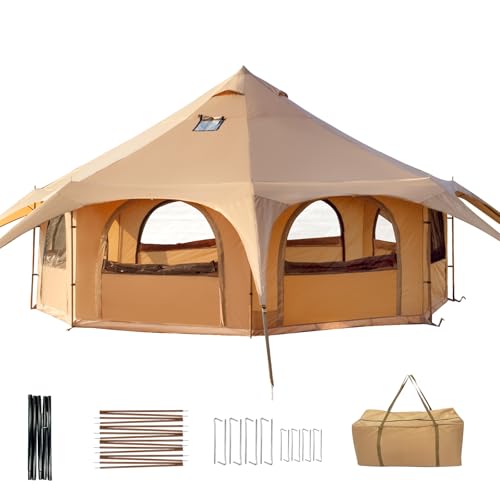
Bell Tent with Stove Jack, 6-10 Person 4 Season Glamping Tent

Bell Tent with Stove Jack, 4-6 Person 4 Season Glamping Tent

VEVOR 118" Camping Wood Stove, Portable Alloy Steel Tent Stove with 3000in³ Firebox, Outdoor Heating & Cooking Stove with Chimney Pipes & Gloves, Includes 8 Pipes for Efficient Heating

Hot Tent Stove,AVOFOREST Wood Burning Stove,Small Wood Stove with 7 Stainless Chimney Pipes for Outdoor Heating & Cooking, Ice Fishing, Hunting

Dandelion Shell 4 Season Hot Tent Cabin X3 with Stove Jack for 2-3 Person
Frequently Asked Questions About Hot Tent Camping
Can I use any tent with a wood stove?
No. You should only use a wood stove in a tent specifically designed for it, which includes a fire-resistant stove jack and appropriate ventilation. Using a stove in a standard tent is extremely dangerous and can lead to fire, melting, and carbon monoxide poisoning.
How do I prevent carbon monoxide poisoning in a hot tent?
Always ensure proper ventilation by keeping vents open. Never sleep with the stove burning in a fully sealed tent. Install a carbon monoxide detector and be aware of the symptoms of CO poisoning, such as headache, dizziness, and nausea.
What is the best material for a hot tent?
Canvas is a traditional and highly durable material that breathes well and holds up to heavy use. However, it is heavy. For backpacking, lightweight synthetic materials like ripstop nylon or polyester are better choices. The best material depends on your priorities: durability and breathability (canvas) vs. portability (synthetics).
How do I install a stove jack?
If your tent does not come with a pre-installed stove jack, you can purchase a stove jack kit. The installation process involves cutting a hole in the tent fabric, reinforcing the edges, and sewing or adhering the heat-resistant jack in place. Always follow the manufacturer's instructions carefully. If you are unsure, have a professional install it.
Can I cook on a wood stove inside a tent?
Yes, many hot tent campers cook on their stoves. However, you should only do so in a well-ventilated tent and be careful of spills and grease fires. Use cookware designed for stove use and always keep a fire extinguisher nearby.
How much does a winter camping tent with wood stove setup cost?
The cost of a hot tent setup varies widely based on the quality and features of the tent and stove. Entry-level setups are budget-friendly, mid-range options offer a good balance of performance and value, while premium setups are a significant investment for serious winter adventurers. Focus on the tier that matches your frequency of use and performance needs.
Embrace the Warmth of Winter Camping
A winter camping tent with a wood stove opens up a world of possibilities for cold-weather adventures. No longer do you have to endure the cold; you can thrive in it. With the right gear, knowledge, and safety practices, you can enjoy the tranquility of a snowy landscape while staying cozy and comfortable in your own portable cabin.
Remember to prioritize safety, choose equipment that matches your needs, and practice your setup before your first trip. The journey to becoming a proficient hot tenter is an exciting one, filled with learning and unforgettable experiences. For more winter camping wisdom, explore our winter camping safety guide and consider joining a community of like-minded adventurers.
Ready to find your perfect winter camping tent with wood stove?
View Our Recommended Picks