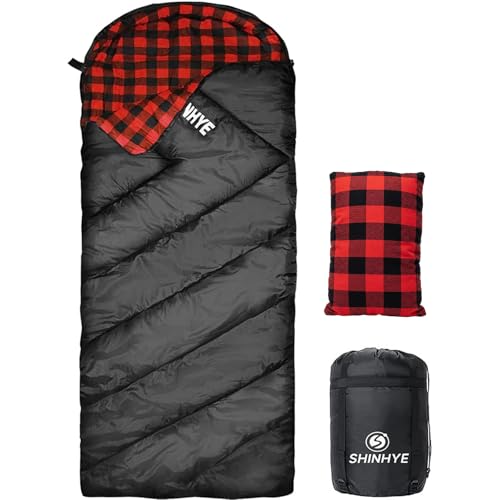
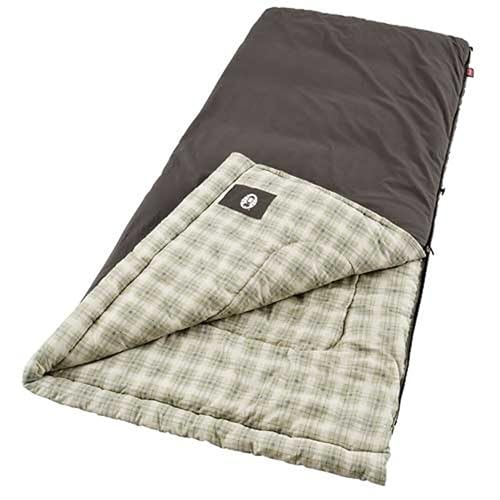
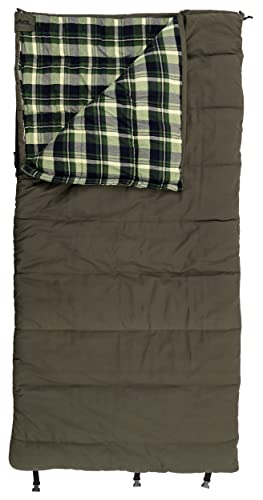
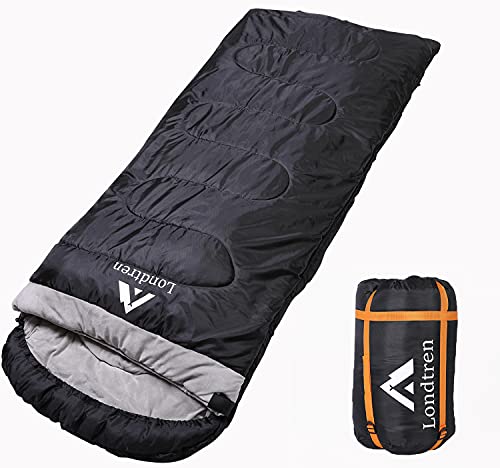
0 Degree Flannel Lined Sleeping Bag: Ultimate Warmth & Comfort
Discover why a 0 degree flannel lined sleeping bag is the gold standard for cold-weather campers who refuse to compromise on comfort. Learn how to choose the right one for your adventures.
Explore Cold-Weather GearWhy Flannel Lining Matters: Unlike standard nylon or polyester linings that can feel cold and slippery, flannel provides a soft, breathable, and instantly warm sensation against your skin. When combined with a 0°F temperature rating, it creates a sleeping environment that feels like your bed at home — even in freezing conditions.
What Is a 0 Degree Flannel Lined Sleeping Bag?
A 0 degree flannel lined sleeping bag is a specialized piece of cold-weather camping gear designed to keep you warm in temperatures as low as 0°F (-18°C). The "0 degree" rating refers to the lower limit of comfort — the temperature at which an average sleeper should stay warm. The flannel lining is the key differentiator: it's a soft, brushed cotton or cotton-blend fabric that feels warm to the touch and enhances overall coziness.
These bags are typically filled with synthetic insulation (like polyester) or natural down. Synthetic fills are more budget-friendly and perform better in damp conditions, while down fills offer superior warmth-to-weight ratio and compressibility. The flannel lining adds a layer of comfort that makes these bags ideal for car campers, base campers, and anyone who prioritizes a good night's sleep over ultralight packing.
Who Should Choose a Flannel Lined Sleeping Bag?
This type of bag is perfect for:
- Cold sleepers who need extra warmth and a soft, non-clammy feel.
- Car campers and families who can afford the extra bulk and weight.
- Winter campers who want a reliable bag for winter camping trips.
- Comfort-focused campers who dislike the slick feel of nylon linings.
- Base camp users who want a durable, cozy bag for extended stays.
If you're a backpacker counting every ounce, a flannel-lined bag might be too heavy. For those trips, consider a budget sleeping bag for backpacking or a lightweight sleeping bag for hiking.
Key Features to Look For
Temperature Rating & Fill Power
A true 0°F rating means the bag is tested to keep an average sleeper warm at that temperature. Look for bags with high-quality synthetic insulation (like Climashield or PrimaLoft) or down fill (600+ fill power). Remember that temperature ratings are subjective — your metabolism, clothing, and sleeping pad all affect warmth.
Flannel Lining Quality
The best flannel linings are made from brushed cotton or cotton-poly blends that are soft, breathable, and moisture-wicking. Some bags use a flannel-like synthetic fabric that offers similar comfort with better moisture management. Avoid linings that feel thin or scratchy.
Shape & Size
Flannel-lined bags come in rectangular, semi-rectangular, and mummy shapes. Rectangular bags offer the most room and comfort, while mummy bags are more thermally efficient. For couples, consider two sleeping bags that zip together for shared warmth.
Draft Protection
Look for features like a draft collar, draft tube along the zipper, and a hood that cinches snugly. These details prevent cold air from seeping in and are critical for a 0°F bag.
Durability & Shell Fabric
The outer shell should be a durable, water-resistant nylon or polyester. A ripstop weave adds tear resistance. Some bags have a water-repellent finish to protect against condensation and light moisture.
Pros and Cons of Flannel Lined Sleeping Bags
👍 Advantages
- Exceptional comfort and warmth against the skin
- Soft, breathable flannel reduces clamminess
- Ideal for cold sleepers and winter camping
- Durable construction for years of use
- Feels like home bedding, improving sleep quality
👎 Considerations
- Heavier and bulkier than nylon-lined bags
- Flannel can absorb moisture, requiring proper drying
- Not ideal for ultralight backpacking
- May be too warm for mild weather (above 40°F)
- Higher quality flannel bags are a premium investment
How to Choose the Right 0 Degree Flannel Lined Sleeping Bag
Start by assessing your typical camping conditions. If you frequently camp in temperatures between 0°F and 20°F, a 0-degree bag is a solid choice. If you mostly camp in milder conditions, a 20°F or 30°F bag may suffice. Consider your sleeping style: side sleepers need more room, while back sleepers can use a mummy shape.
Next, evaluate the fill type. Synthetic fills are more affordable, handle moisture better, and are hypoallergenic. Down fills are lighter, more compressible, and warmer for their weight, but they lose insulation when wet. For a flannel-lined bag, synthetic fill is often the better match because flannel itself adds some bulk.
Don't forget the sleeping pad. A 0°F bag is only as good as the insulation beneath you. Pair it with a high R-value pad, such as an inflatable sleeping pad for camping or a self-inflating camping sleeping pad.
Caring for Your Flannel Lined Sleeping Bag
Proper care extends the life of your bag and maintains its warmth. Always use a liner to keep the flannel clean, and wash the bag according to the manufacturer's instructions — usually with a gentle, non-detergent soap. Never dry clean a sleeping bag. Tumble dry on low with clean tennis balls to restore loft. Store the bag loosely in a large cotton or mesh sack, never in its stuff sack, to preserve insulation.
If you're camping in wet conditions, consider a camping tarp or a tent for winter camping with a stove to keep your bag dry. For extra warmth, add a portable heated blanket for camping or a battery-operated heater for camping.
Frequently Asked Questions
Is a 0 degree flannel lined sleeping bag suitable for summer camping?
It can be, but it may be too warm for summer nights above 50°F. You can always unzip it and use it as a blanket. For dedicated summer camping, a lighter bag is more appropriate.
Can I wash a flannel lined sleeping bag in a washing machine?
Yes, most are machine washable on a gentle cycle with cold water. Use a front-loading machine if possible, and avoid agitators. Always check the care label first.
How does a flannel lining affect the temperature rating?
The flannel lining itself doesn't change the temperature rating, but it enhances perceived warmth and comfort. The rating is determined by the insulation and construction.
Are flannel lined sleeping bags good for kids?
Yes, they're excellent for kids who camp in cold weather because they're cozy and familiar. Just ensure the bag fits properly — a bag that's too large can be less efficient.
What is the difference between a 0 degree and a 0°F sleeping bag?
They are the same. "0 degree" refers to 0°F (-18°C) in the context of sleeping bag ratings. Some brands use "0°C" which is different, so always check the unit.
Final Thoughts: Is a 0 Degree Flannel Lined Sleeping Bag Right for You?
If you prioritize comfort, warmth, and a good night's sleep in cold weather, a 0 degree flannel lined sleeping bag is an excellent investment. It bridges the gap between rugged outdoor gear and the cozy familiarity of home bedding. While it's heavier and bulkier than ultralight options, the trade-off is well worth it for car campers, winter enthusiasts, and anyone who camps in frigid conditions.
When choosing, focus on fill type, shell durability, and fit. Pair it with a quality sleeping pad and a winter tent for a complete cold-weather sleep system. And always practice Leave No Trace principles to protect the places you love.
Ready to upgrade your sleep system? Explore our recommended products below to find the perfect flannel-lined bag for your next adventure.