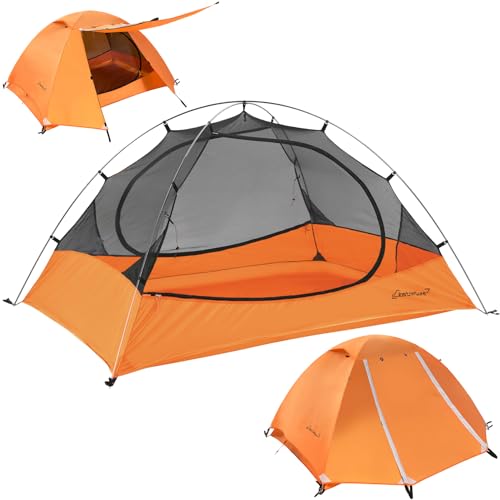
Ultralight Family Backpacking Tent: The Ultimate Guide
Find the perfect balance between weight, space, and durability for your family's backcountry adventures. Expert reviews, specs, and buying advice for 3–4 person lightweight tents.
🏕️ Typical Weight: 3.5–6 lbs | Capacity: 3–4 PersonsUltralight Family Backpacking Tent: Taking the whole family into the backcountry requires a shelter that's light enough to carry, yet spacious enough for everyone. This guide breaks down the best ultralight tents designed for 3–4 people, helping you choose the right balance of weight, livability, and weather protection.
What Is an Ultralight Family Backpacking Tent?
An ultralight family backpacking tent is a lightweight shelter designed to accommodate 3 to 4 people while keeping the total pack weight low enough for multi-day hikes. Unlike traditional car camping tents that can weigh 10–15 lbs, these tents typically weigh between 3.5 and 6 pounds, using advanced materials like Dyneema® composite fabric or high-tenacity nylon. The goal is to provide enough space for a small family or group without sacrificing comfort or durability on the trail.
When selecting a tent for family backpacking, key factors include tent size and capacity, weight, weather resistance, and ease of setup. Many modern designs also feature dual vestibules for gear storage and footprints to protect the floor. For families, a tent with two doors can be a game-changer, allowing parents to exit without waking the kids.
Pros and Cons of Ultralight Family Tents
✅ Advantages
- ✔ Low Pack Weight: Ideal for long hikes and backpacking trips.
- ✔ Compact Size: Packs down small, saving space in your backpack.
- ✔ High-Quality Materials: Often use durable, waterproof fabrics like silnylon or Dyneema.
- ✔ Dual Vestibules: Provide storage for gear and cooking in bad weather.
- ✔ Easy Setup: Many use color-coded clips and poles for quick assembly.
⚠️ Considerations
- ✖ Higher Cost: Advanced materials and construction come at a premium.
- ✖ Less Interior Space: Typically more snug than car camping tents.
- ✖ Thinner Fabrics: May require careful site selection and tent care.
- ✖ Condensation: Can be more prone to condensation if not properly ventilated.
- ✖ No Room to Stand: Usually lower profile for wind resistance.
Key Features to Consider
Before you buy an ultralight family backpacking tent, evaluate these critical features to ensure it meets your family's needs:
- Weight: Aim for a total trail weight (tent + poles + footprint) under 6 lbs for a 3-person tent. For a 4-person, under 7 lbs is excellent.
- Floor Area: Look for at least 40–45 sq ft for 3 people, or 50–55 sq ft for 4 people. This gives everyone enough sleeping space.
- Peak Height: Higher peak height (40–45 inches) allows for comfortable sitting and changing clothes.
- Doors and Vestibules: Two doors with vestibules are ideal for a family—each person can enter/exit without disturbing others.
- Weather Protection: A full-coverage rainfly with taped seams and a high bathtub floor (at least 4 inches) are essential for keeping rain out.
- Ease of Setup: Color-coded poles and clips, plus pre-attached guylines, make setting up camp faster—especially helpful with tired kids.
Top Ultralight Family Tents Comparison
Here’s a quick look at some of the best ultralight family backpacking tents available today. We’ve compared key specs to help you decide.
| Model | Capacity | Trail Weight | Floor Area | Peak Height | Doors |
|---|---|---|---|---|---|
| Big Agnes Copper Spur HV UL3 | 3 Person | 3 lb 10 oz | 41 sq ft | 44" | 2 |
| MSR Hubba Hubba NX 3 | 3 Person | 3 lb 12 oz | 42 sq ft | 43" | 2 |
| Nemo Dagger OSMO 3P | 3 Person | 3 lb 14 oz | 41.5 sq ft | 44" | 2 |
| Tarptent Cloudburst 3 | 3 Person | 3 lb 10 oz | 42 sq ft | 42" | 2 |
| Big Agnes Copper Spur HV UL4 | 4 Person | 4 lb 8 oz | 54 sq ft | 44" | 2 |
| MSR Mutha Hubba NX | 4 Person | 4 lb 10 oz | 55 sq ft | 43" | 2 |
*Specs are approximate and may vary by year/model. Always check manufacturer details.
Balancing Weight and Space
One of the biggest decisions when choosing an ultralight family tent is the trade-off between weight and interior space. Lighter materials and simpler designs reduce weight but often mean less room and fewer features. If you're planning shorter trips or have younger children, a slightly heavier tent with more space might be a better choice. Conversely, for multi-day treks with older kids, ultralight backpacking gear is essential.
Remember that the "sleeping capacity" rating is usually for sleeping only—without extra gear. For comfortable family camping, consider a tent rated for one more person than your family size. For example, a family of 3 may find a 4-person tent more comfortable, especially if you need to store packs or sleep with a dog. Check out our guide on tent vs hammock for alternative shelter options.
Weather Protection & Seasonality
Most ultralight family tents are designed for 3-season use (spring, summer, and fall). They provide excellent ventilation for warm weather and can handle moderate rain and wind. If you plan on winter camping or high-alpine trips, you may need a 4-season tent, but these are significantly heavier and more expensive. For most family backpacking trips, a quality 3-season tent is more than sufficient.
Look for tents with a full-coverage rainfly that extends to the ground to protect against wind-driven rain. Waterproof tent construction, taped seams, and a high bathtub floor are essential to stay dry. Also, consider camping weather alerts before your trip.
Ease of Setup: A Game-Changer for Families
Setting up camp with children can be chaotic. An ultralight tent that pitches quickly and intuitively reduces stress. Look for designs with color-coded poles and clips, and practice pitching it in your backyard before hitting the trail. Some tents feature "hub" pole systems or "instant setup" mechanisms that make assembly a breeze. If you often camp in the rain, learn setting up a tent in the rain techniques to keep the interior dry.
Also, consider the packed size of the tent. A compact, lightweight tent makes a big difference when fitting into a 50–60L backpack alongside gear for a whole family. You might also want to check ultralight camping gear for other essentials.
Maintenance and Durability
Taking care of your ultralight tent extends its lifespan significantly. Always use a tent footprint or groundsheet to protect the floor from sharp rocks and debris. After each trip, dry the tent thoroughly to prevent mold and mildew. Store it loosely packed, not compressed, to preserve the waterproof coatings. For minor repairs, carry a tent repair kit with patches and seam sealer. Learn more about tent care to keep your gear in top shape.
The Right Tent for Your Family Adventure
Choosing the best ultralight family backpacking tent depends on your family's size, trip style, and budget. Prioritize weight if you plan long hikes, and prioritize space if comfort is more important. Consider tents like the Big Agnes Copper Spur HV UL series or MSR Hubba Hubba NX for proven reliability. By investing in a quality lightweight shelter, you'll enable unforgettable family experiences in the great outdoors.
Ready to find the perfect tent? Browse our recommended selection below and gear up for your next adventure. And don't forget to check camping checklists to ensure you have everything you need.