Tent That Fits 2 Queen Air Mattress: The Ultimate Comfort Guide
Discover how to choose a spacious tent that accommodates two queen-sized air mattresses, ensuring a luxurious and comfortable camping experience for you and your family.
Camping doesn't have to mean sacrificing comfort. For many outdoor enthusiasts, a good night's sleep is non-negotiable, and that often means bringing along a comfortable air mattress. But when you want to sleep two couples or a family with two queen-size air mattresses, finding the right tent becomes a critical decision.
A standard tent simply won't cut it. You need a shelter specifically designed with the floor space and vertical walls to accommodate two large mattresses side-by-side, without feeling like you're sleeping in a sardine can. This guide will walk you through everything you need to know about selecting a tent that fits 2 queen air mattresses, from understanding dimensions to evaluating key features.
Quick Answer: To comfortably fit two queen air mattresses, you generally need a tent with a floor area of at least 10x14 feet (or larger), featuring near-vertical walls and a cabin-style design. Always check the manufacturer's specifications for "fits" and look for models described as 8-person or larger.
Why a Standard Tent Won't Work
A queen air mattress typically measures around 60 inches wide by 80 inches long. Two of them side-by-side require a minimum of 120 inches (10 feet) of width, plus a little extra breathing room. Most standard dome tents taper towards the top, meaning even if the floor is wide enough, the walls slope inward, creating a claustrophobic environment and making it difficult to move around.
Furthermore, the height of the mattress (often 18 to 24 inches) means you need a tent with steep or vertical walls to sit up comfortably. This is where large tents you can stand up in become essential. These tents provide the volume and shape needed to transform your campsite into a cozy, functional bedroom.
Key Dimensions for Two Queen Mattresses
When shopping for a tent that fits 2 queen air mattresses, don't just look at the person capacity. A "10-person" tent can vary wildly in actual floor dimensions. Here are the specifications you should prioritize:
| Specification | Recommendation | Why It Matters |
|---|---|---|
| Floor Dimensions | At least 10 ft x 14 ft (or larger) | Two queen mattresses need 10 ft of width. The extra length allows for gear storage at the foot of the beds. |
| Center Height | Minimum 78 inches (6.5 ft) | Allows most adults to stand upright and provides ample headroom when sitting on a tall air mattress. |
| Wall Design | Cabin style or straight-wall | Maximizes usable floor space. Dome tents waste space due to sloping walls. |
| Doors | At least 2 (D-shaped preferred) | Allows easy entry/exit without climbing over your partner or mattress. |
| Ventilation | Large mesh windows and roof vents | Prevents condensation buildup, which is common in large tents with multiple occupants. |
For a deeper dive into general sizing, you can refer to our guide on how to choose tent size.
Best Tent Styles for Two Queen Mattresses
Not all tent styles are created equal when it comes to accommodating large mattresses. Here are the top contenders:
1. Cabin Tents
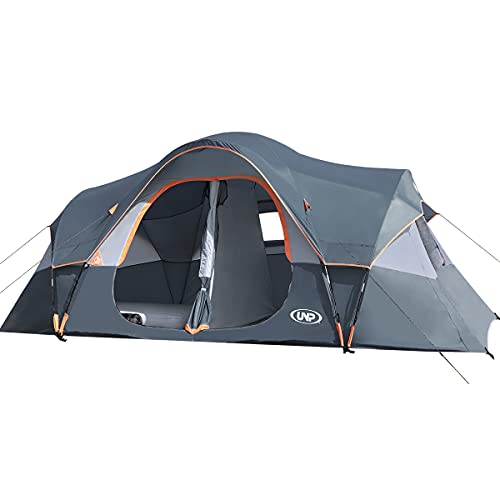
Cabin tents are the gold standard for this purpose. They feature near-vertical walls, a high ceiling, and often include room dividers. A 10-person instant cabin tent with awning is an excellent example, offering ample floor space and the convenience of quick setup. If you want a dedicated sleeping area, consider a 2-room cabin tent with screened porch, which allows you to separate the sleeping quarters from a living space.
2. Large Dome Tents
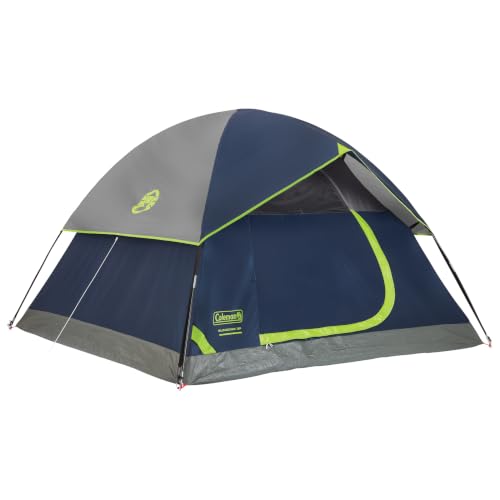
Some large dome tents, particularly those designed for 8 to 12 people, can work. However, you must check the floor plan. Look for models with a "modified dome" shape that extends the walls. A 10-person modified dome tent with screen porch offers a good balance of stability and interior space. Just be aware that the usable width at mattress level might be less than the floor dimensions suggest.
3. Base Camp Tents
These are heavy-duty tents designed for extended stays. They are often heavier and more robust. A 12-person basecamp tent with built-in LED lights provides excellent durability and features like integrated lighting, making it a fantastic choice for families who camp frequently.
Features That Enhance Comfort
Beyond just fitting the mattresses, the right tent should make your camping experience enjoyable. Here are features to look for:
- Room Dividers: If you're camping with another couple or kids, a divider offers privacy. Check out 11-person instant cabin tents with private rooms.
- Electrical Ports: A must-have for powering air mattress pumps or charging devices. Look for tents with a port for an extension cord (often called a "power port" or "E-port").
- Storage Pockets: Keep your essentials organized and off the floor.
- Rainfly: A full-coverage rainfly is essential for weather protection. A 6-person tent with full rain fly is a good reference for the type of coverage you should look for in a larger model.
- Durable Floor: A thick, puncture-resistant floor is vital when placing heavy air mattresses. Consider using a footprint or tarp underneath for extra protection.
Pros and Cons of Using a Large Tent
Pros
- Exceptional comfort and space for couples or families.
- Ability to stand up and move around freely.
- Room for gear, chairs, and even a small table.
- Can be used for glamping or extended trips.
Cons
- Heavier and bulkier to transport.
- More challenging to set up alone (though instant tents mitigate this).
- Requires a larger campsite footprint.
- More susceptible to wind (needs proper staking).
Setup Tips for a Comfortable Camp
Once you've chosen your tent, setting it up correctly is key to a good experience.
- Choose a Level Site: Air mattresses can feel unstable on uneven ground. Look for a flat, cleared area.
- Use a Ground Tarp: Place a tarp slightly smaller than the tent floor underneath to protect against punctures and moisture.
- Inflate Mattresses Inside: It's easier to position them correctly once the tent is fully pitched. Ensure your queen air mattress with built-in pump is fully inflated.
- Stake It Out Properly: Large tents act like sails. Use all guy lines and stakes, especially in windy conditions. For more tips, see our guide on setting up a tent in the rain for weather-related advice.
- Manage Condensation: Keep vents open to reduce moisture buildup. Using a safe tent heater can help dry out the air in colder weather.
Frequently Asked Questions
Can a 6-person tent fit two queen air mattresses?
Generally, no. A 6-person tent typically has a floor size of around 10x10 feet. While the width might be close, the length and sloping walls usually make it impossible to fit two queen mattresses comfortably. You should aim for an 8-person tent or larger, preferably a cabin style.
What is the best tent for a family of four with two queen air mattresses?
A 10-person or 12-person cabin tent is ideal. It provides enough space for the mattresses plus room for gear and changing. Look for models with a room divider if you want privacy. A 10-person instant cabin tent with LED lights is a popular choice for its convenience and comfort.
How do I prevent my air mattress from sliding around in the tent?
Place a rug or a non-slip mat under the air mattresses. Many tents also have a "bathtub" style floor with raised edges, which helps keep the mattress contained. Make sure the tent floor is clean and dry before inflating the mattress.
Do I need a tent with a stove jack if I'm using an air mattress?
Only if you plan to camp in very cold weather and want to use a wood stove for heat. A 4-season cabin tent with stove jack is designed for this purpose. For summer camping, a standard 3-season tent is sufficient.
Is it better to get a larger tent than I need?
Yes, when it comes to air mattresses, having extra space is beneficial. It makes moving around easier and gives you room for bags and gear. However, don't go excessively large, as it can be harder to heat and find a suitable campsite. A tent that is one size larger than the "minimum" is usually perfect.