Sliding Lubricant Guide: Keep Your RV, Camper & Gear Moving Smoothly
Learn how to choose the right sliding lubricant for RV slide-outs, camper jacks, tent poles, and more. Reduce friction, prevent corrosion, and extend the life of your equipment.
SHOP TOP LUBRICANTSWhy Sliding Lubricant Matters: Whether you're extending an RV slide-out, adjusting a camper jack, or setting up a tent with telescoping poles, the right lubricant ensures smooth operation, prevents sticking, and protects against rust and wear. Using the wrong product can attract dirt or damage seals—so it pays to know what to use and where.
What Is Sliding Lubricant & Why Do You Need It?
Sliding lubricant is a specialized product designed to reduce friction between moving metal, plastic, or rubber surfaces. Unlike general-purpose oils or greases, quality sliding lubricants for camping and RV use are formulated to:
- Repel dirt and dust – Dry lubricants like PTFE or silicone sprays don't attract grime.
- Prevent rust and corrosion – Especially important for outdoor gear exposed to moisture.
- Protect seals and gaskets – Rubber-compatible formulas keep slide-out seals flexible.
- Ensure quiet operation – Eliminate squeaking from jacks, stabilizers, and awnings.
For RV owners, a quality slide-out lubricant is non-negotiable to avoid costly repairs. Similarly, campers benefit from lubricating tent poles and camping chairs to prevent jamming and extend their lifespan.
Types of Sliding Lubricant: Which One Is Right for You?
Not all lubricants are created equal. Here's a breakdown of the most common types used in camping and RV applications, along with their best uses.
🔹 Dry PTFE Lubricant
Fast-drying, non-staining, and repels dirt. Ideal for slide-out mechanisms, awning rails, and locker latches. Works well on metal and plastic.
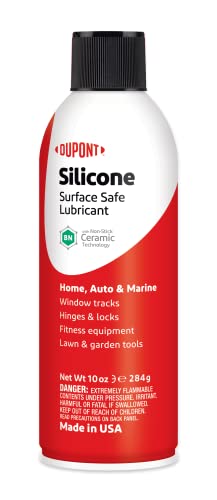
🔸 Silicone Spray
Provides water resistance and is safe for rubber, plastic, and wood. Great for tent zippers, window tracks, and rubber seals.
🔹 White Lithium Grease
Heavy-duty, long-lasting grease for high-friction metal parts like jacks, stabilizers, and hitch balls. Not for plastic or rubber.
🔸 Penetrating Oil (e.g., WD-40)
Good for loosening rusted bolts and freeing stuck parts. It's a solvent, not a long-term lubricant—always follow up with a proper lube.
How to Apply Sliding Lubricant: A Step-by-Step Guide
Applying lubricant correctly is just as important as choosing the right product. Follow these simple steps for best results:
- Clean the surface – Remove dirt, old grease, and debris with a mild cleaner. For RV slides, use a dedicated slide-out cleaner.
- Dry thoroughly – Moisture can trap contaminants and cause streaking.
- Apply lubricant sparingly – A little goes a long way. For sprays, hold the can 6–8 inches away and apply an even coat.
- Work it in – Extend/retract the slide or move the component a few times to distribute the lubricant.
- Wipe off excess – Prevent drips and build-up by wiping away surplus product with a clean cloth.
Pro Tip: Always test a small, inconspicuous area first, especially on plastic or painted surfaces. Some lubricants may cause discoloration or damage certain materials.
Lubricant Comparison: Which One Should You Buy?
We've compared the top sliding lubricants based on type, application, durability, and value. Use this table to find the best match for your needs.
| Product | Type | Best For | Durability | Price Range |
|---|---|---|---|---|
| CRC Heavy Duty Silicone | Silicone Spray | Rubber seals, tent poles, zippers | ⭐⭐⭐⭐ | $6–$12 |
| WD-40 Specialist Dry Lube | PTFE Dry Lube | Slide-outs, awnings, locks | ⭐⭐⭐⭐⭐ | $10–$18 |
| Lucas White Lithium Grease | Grease | Jacks, stabilizers, hitches | ⭐⭐⭐⭐⭐ | $8–$15 |
| 3-IN-ONE RVcare Slide-Out Lube | PTFE Spray | RV slide mechanisms, cables | ⭐⭐⭐⭐ | $12–$20 |
Where to Use Sliding Lubricant on Your Camping Gear
Beyond RV slide-outs, there are many places on your camping equipment that benefit from regular lubrication:
- Tent Poles & Joints: Keeps telescoping sections sliding freely and prevents galling. Use a dry silicone spray.
- Camp Chair Hinges: Stops squeaking and makes folding/unfolding effortless.
- Cooler Lids & Latches: Ensures a tight seal and easy opening, especially in dusty conditions.
- Camp Stove Knobs & Valves: Prevents sticking and ensures precise flame control (use food-safe lubricant if near cooking surfaces).
- Lantern & Flashlight Threads: Prevents battery leakage and keeps threads from cross-threading.
For comprehensive maintenance, consider adding a high-quality RV maintenance kit to your collection, which often includes suitable lubricants and cleaners.
Sliding Lubricant FAQs
Can I use WD-40 as a sliding lubricant?
WD-40 is a solvent and light oil, great for freeing stuck parts. However, it's not a long-term lubricant. For slide-outs and high-friction areas, use a dedicated dry lube or silicone spray for longer-lasting protection.
How often should I lubricate my RV slide-out?
Most manufacturers recommend lubricating the slide-out mechanism every 3–6 months, or before each camping season. Also, lubricate after exposure to rain, dust, or saltwater.
Is silicone spray safe for rubber seals?
Yes, most silicone sprays are safe for rubber and will condition seals, preventing cracking and drying. Always check the product label to confirm compatibility.
Can I use sliding lubricant on my tent zippers?
Absolutely! A dry PTFE or silicone spray works wonders on sticky tent zippers. Apply sparingly and work the zipper back and forth to distribute. Avoid oil-based products that can attract dirt and gum up the teeth.
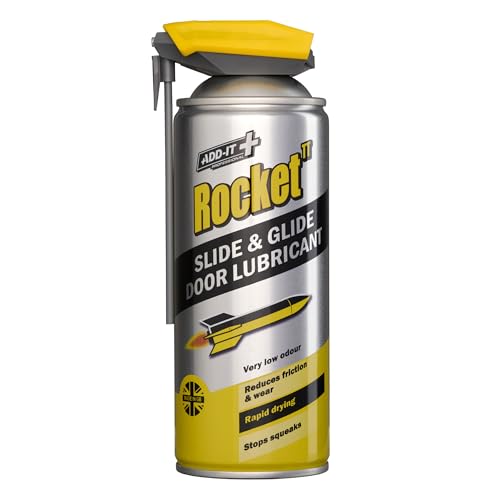
![WD-40 Specialist Silicone Lubricant, New Bigger Can, 13.3 OZ [1-Pack]](https://m.media-amazon.com/images/I/41MHMrtuoWL._SL500_.jpg)