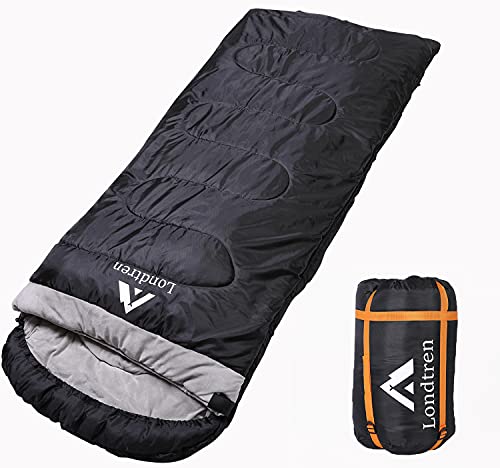
Best Sleeping Bag for Zero Degree Weather: Stay Warm in Sub-Zero Conditions
Don't let freezing temperatures ruin your outdoor adventure. Discover how to choose a 0°F sleeping bag that keeps you warm, comfortable, and safe in extreme cold.
When the temperature drops to zero degrees Fahrenheit (-18°C), an ordinary sleeping bag simply won't cut it. A sleeping bag for zero degree weather is a critical piece of winter camping gear designed to retain body heat and protect you from hypothermia in extreme conditions. Whether you're planning a winter camping trip, embarking on a thru-hike, or preparing for a cold-weather expedition, choosing the right 0°F sleeping bag is essential for safety and comfort.
This comprehensive guide will help you understand temperature ratings, insulation types, and key features to look for. We've also reviewed some of the best zero-degree sleeping bags on the market so you can make an informed decision.
Understanding Temperature Ratings: What Does "Zero Degree" Really Mean?
The "temperature rating" on a sleeping bag is based on standardized testing (EN/ISO 23537-1) that measures thermal performance under controlled conditions [citation:3]. However, it's important to understand the different temperature limits:
- Comfort Temperature: The temperature at which a "standard woman" can sleep comfortably in a relaxed position. For a 0°F bag, the comfort temperature is often around 30–35°F.
- Limit Temperature (Lower Limit): The temperature at which a "standard man" can sleep in a curled-up position without feeling cold. This is usually the 0°F rating you see on the label [citation:5].
- Extreme Temperature: The survival temperature—you won't be comfortable, but it should keep you alive. This is significantly lower than the limit temperature [citation:11].
For example, the Tripole Shivalik Zero Degree sleeping bag is rated with a limit temperature of 0°C (32°F), meaning it's comfortable down to freezing with proper clothing [citation:5]. Meanwhile, the ATEPA 0 Degree Down bag has a lower limit of 25°F (-4°C) and an extreme limit of -4°F (-20°C) [citation:11].
When shopping, pay attention to the limit temperature—that's the number most manufacturers advertise as the bag's "rating." If you're a cold sleeper, consider a bag rated 10–15 degrees lower than your expected lowest temperature.
Down vs. Synthetic Insulation: Which is Best for Zero Degree Weather?
Choosing between down and synthetic insulation is one of the most important decisions when buying a zero-degree sleeping bag.
Down Insulation
Down offers the best warmth-to-weight ratio and compressibility. Premium options like the Therm-a-Rest Hyperion use 900-fill goose down, making it exceptionally light and packable [citation:4]. Look for hydrophobic down (like Nikwax-treated down) that resists moisture and stays fluffy longer in damp conditions [citation:4]. Down is ideal for backpacking and adventures where weight and bulk matter.
Best for: Backpacking, thru-hiking, and ultralight winter camping.
Synthetic Insulation
Synthetic insulation (like CloudLoft ECO or hollowfibre) performs better when wet—it retains some warmth even when damp and dries faster than down [citation:2][citation:7]. It's also more affordable and hypoallergenic. The Deuter Orbit 0° uses 100% recycled synthetic insulation and is a great eco-friendly choice [citation:7]. However, synthetic bags are bulkier and heavier than down for the same temperature rating.
Best for: Wet or humid conditions, car camping, and budget-conscious campers.
For a more detailed comparison of insulation types, check out our sleeping bags guide.
Key Features to Look For in a Zero-Degree Sleeping Bag
Beyond temperature rating and insulation, pay attention to these features to ensure a warm and comfortable night's sleep:
- Draft Collar & Hood: A well-insulated hood with a cinch cord seals heat around your head. A draft collar prevents warm air from escaping through the neck opening [citation:1][citation:8].
- Footbox Design: A vaulted or anatomically shaped footbox provides room for your feet to move and prevents compression of insulation at the toes [citation:1][citation:8].
- Draft Tubes: A tube behind the zipper blocks cold air from seeping in through the zipper seam [citation:2].
- Zipper Quality: Look for anti-snag zippers with dual sliders so you can vent from the bottom or top on warmer nights [citation:2][citation:11].
- Pad Compatibility: Some bags (like the Big Agnes Anvil Horn) integrate with sleeping pads to prevent you from rolling off and improve insulation [citation:10]. A good sleeping pad is crucial for zero-degree camping—your body heat can be lost through the ground.
- Size & Fit: A bag that's too tight compresses insulation and reduces warmth. The HiZYNICE 0° bag, for example, is designed for "big and tall" campers up to 6'7" with a 90x39" size [citation:12].
For more tips on staying warm, read our guide on how to stay warm in winter camping.
Top Sleeping Bags for Zero Degree Weather
Based on expert reviews, customer feedback, and our analysis, here are some of the best 0°F sleeping bags available today:
| Model | Insulation | Weight | Key Feature | Price (Approx.) |
|---|---|---|---|---|
| The North Face Trail Lite Down 0 | 600-fill Recycled Down | 3 lb 9 oz | Anti-compression pads, vaulted footbox [citation:1] | $400+ |
| Kelty Mistral 0 | Recycled CloudLoft ECO (Synthetic) | 4 lb 6 oz | Offset quilt construction, dual draft collars [citation:2] | $95 |
| Therm-a-Rest Hyperion 0°C | 900-fill Nikwax Hydrophobic Down | 0.46 kg (1 lb) | Ultralight, RDS-certified down [citation:4] | $550+ |
| Deuter Exosphere 0° | Synthetic Polyester | 0.99 kg (2.2 lb) | Water-repellent, compact pack size [citation:6] | $250+ |
| HiZYNICE 0° XXL | 100% Cotton Flannel (Synthetic Fill) | ~5 lb | XXL size for tall/heavy campers (90" x 39") [citation:12] | $100 |
| Big Agnes Anvil Horn 0° | Downtek™ PFC-Free Down | ~3 lb | Flex Pad Sleeve keeps pad in place [citation:10] | $210 |
*Prices are approximate and subject to change. Check the product page for current pricing.
For even more options, browse our curated collection of winter sleeping bags.
How to Choose the Right Sleeping Bag for Zero Degree Weather
Follow these steps to select the best bag for your needs:
- Assess Your Camping Style: Will you be backpacking (choose down for lightweight) or car camping (synthetic is fine)?
- Consider Climate and Conditions: If you camp in wet or humid environments, synthetic insulation is more forgiving.
- Check Temperature Ratings Carefully: Look at the limit temperature. If you sleep cold, choose a bag rated 10–15°F lower than the lowest temperature you expect.
- Think About Size: Ensure the bag is long enough and roomy enough. The HiZYNICE XXL is a great option for larger campers [citation:12].
- Budget Wisely: Down bags are pricier but last longer. The Kelty Mistral is an excellent affordable synthetic choice [citation:2].
- Don't Forget Your Sleeping Pad: A high-R-value pad is essential. The Big Agnes Anvil Horn's Flex Pad Sleeve is a nice bonus [citation:10].
Learn more about essential camping gear to complete your winter setup.
Expert Tips for Staying Warm in a Zero-Degree Sleeping Bag
Even the best sleeping bag won't keep you warm if you use it incorrectly. Follow these pro tips for maximum warmth:
- Layer Properly: Wear a base layer (merino wool or synthetic) and dry socks. Avoid cotton—it traps moisture and makes you cold. Learn about layering clothing for winter.
- Use a Hot Water Bottle: Fill a Nalgene bottle with hot water, place it in a sock, and put it at the foot of your bag to add extra warmth [citation:3].
- Eat Before Bed: Your body burns calories to generate heat. A small snack before sleep can help.
- Ventilate if Too Warm: Use the dual zippers to unzip the foot area to regulate temperature and prevent sweating [citation:2].
- Keep Your Head Covered: Use the hood and a beanie to prevent heat loss—up to 30% of body heat escapes through the head.
- Use a Liner: A fleece or silk liner can add 10–15°F of warmth and keep your bag cleaner [citation:3].
For more winter survival tips, visit our winter camping safety guide.
Frequently Asked Questions About Zero-Degree Sleeping Bags
What does "zero degree" sleeping bag mean?
A "zero degree" sleeping bag is rated to keep you comfortable at a limit temperature of 0°F (-18°C). However, individual comfort varies, so consider your personal warmth preference when choosing [citation:5][citation:11].
Is down or synthetic better for extreme cold?
Down offers superior warmth-to-weight and compressibility, making it ideal for backpacking [citation:1][citation:4]. Synthetic performs better in wet conditions and is more affordable [citation:2][citation:7]. Choose based on your primary use case.
How much does a zero-degree sleeping bag cost?
Prices range from under $100 for budget synthetic models like the Kelty Mistral [citation:2] to over $500 for ultralight down options like the Therm-a-Rest Hyperion [citation:4]. You can find excellent mid-range options around $200–$300.
Can I use a zero-degree bag for summer camping?
You can, but you'll likely be too warm. Look for bags with full-length zippers for venting, or consider a separate summer bag. The ATEPA 0° has a foot zipper that lets you vent heat easily [citation:11].
How do I store my winter sleeping bag?
Store it uncompressed in a large mesh or cotton storage sack to maintain loft. Compression sacks are for transport only. Always dry it thoroughly before storing to prevent mildew.
For more answers, explore our comprehensive camping FAQ section.