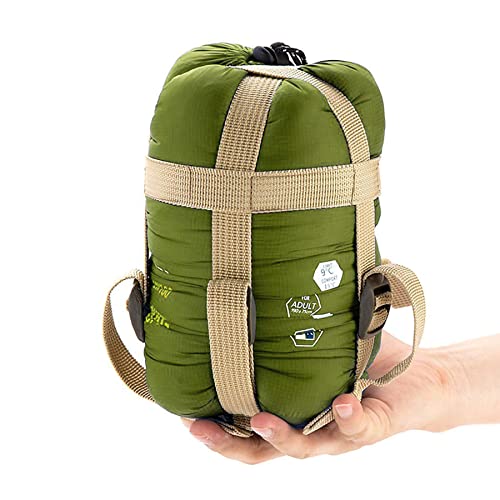
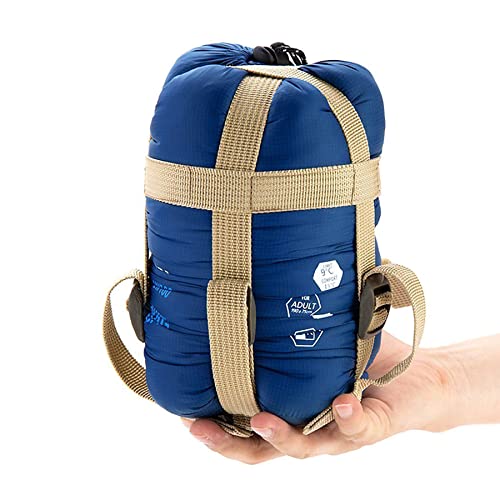
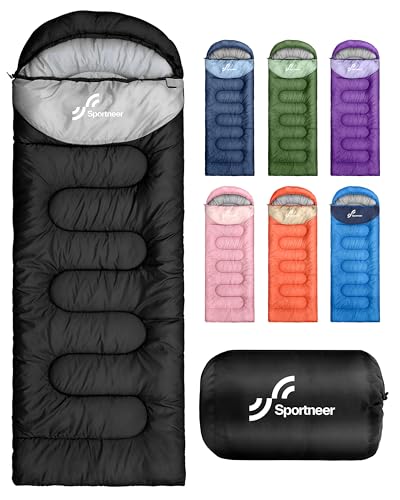
Sleeping Bag for Hiking and Camping: Your Ultimate Buying Guide
A good night's sleep in the wilderness starts with the right gear. Learn how to choose a sleeping bag that keeps you warm, comfortable, and ready for the next day's adventure.
START LEARNINGWhy Your Sleeping Bag Matters: A sleeping bag is one of the most critical pieces of camping gear you will ever buy. It directly impacts your comfort, safety, and energy levels on the trail. A poorly chosen bag can ruin a trip, while the right one becomes your trusted companion for years of outdoor exploration.
The Complete Guide to Choosing a Sleeping Bag
When you are hiking or camping, your sleeping bag is more than just bedding—it is your primary shelter for warmth and rest. Unlike your tent or hammock, which provides structural protection, a sleeping bag creates a microclimate around your body to retain heat. Understanding the key specifications is essential before you make a purchase.
This guide will walk you through the critical factors: temperature ratings, insulation types, shapes, and features. By the end, you will know exactly what to look for, whether you are a weekend car camper or a seasoned backpacker.
1. Understanding Temperature Ratings
The temperature rating is the most important specification of any sleeping bag. It indicates the lowest temperature at which an average sleeper will stay comfortable. However, ratings are not standardized across all brands, so treat them as a guideline rather than an absolute.
Most ratings use the EN/ISO standard, which provides three key figures:
- Comfort Rating: The temperature at which a cold sleeper (often women) can expect a comfortable night.
- Limit Rating: The temperature at which a warm sleeper (often men) can expect a comfortable night.
- Extreme Rating: A survival-only rating, not intended for regular use. You should never plan to sleep at this temperature.
For most three-season camping, a bag with a limit rating around 20°F (-7°C) is a versatile choice. For winter camping, you will need a bag rated for much colder temperatures, such as a 0-degree flannel-lined sleeping bag or even lower. If you are unsure, it is always better to choose a warmer bag than you think you need. You can always vent a warm bag, but you cannot add warmth to one that is not insulated enough.
2. Down vs. Synthetic Insulation
The insulation inside your sleeping bag is what traps heat. There are two main types, and each has distinct advantages.
Down Insulation: Made from the undercoating of duck or goose feathers, down is incredibly lightweight and compressible. It offers the best warmth-to-weight ratio, making it the top choice for backpackers and hikers who need to save space and weight. However, down loses its insulating ability when wet and is more expensive. It requires careful maintenance.
Synthetic Insulation: Typically made from polyester fibers, synthetic insulation is more affordable and retains some warmth even when damp. It dries faster and is more durable, making it a great choice for camping in the rain or for beginners. The trade-off is that it is heavier and bulkier than down for the same warmth.
If you often camp in humid or wet conditions, a synthetic bag is a safer bet. If you are a backpacker counting every ounce and can keep your gear dry, down is superior. For those looking to save weight, a lightweight camping gear for hiking setup often includes a down bag.
3. Sleeping Bag Shapes
Sleeping bags come in three primary shapes, each balancing warmth, weight, and comfort.
- Mummy Bags: These are tapered from the shoulders down to the feet, minimizing air space around your body for maximum thermal efficiency. They are the lightest and warmest option, ideal for backpacking. The trade-off is less room to move around.
- Rectangular Bags: These offer the most room and comfort, allowing you to stretch out. They are great for car camping and family trips. However, they are heavier and less thermally efficient because your body has to heat a larger volume of air. A 100% cotton sleeping bag for adults is often rectangular and comfortable for casual use.
- Semi-Rectangular Bags: A hybrid that offers a balance between the efficiency of a mummy and the roominess of a rectangular bag. They are a popular choice for general camping.
4. Key Features to Look For
Beyond the basics, several features can make a big difference in your sleeping comfort.
- Hood: A snug hood traps heat around your head, a major area of heat loss. Mummy bags always have them; rectangular bags often do not.
- Draft Collar: A tube of insulation around the neck that prevents warm air from escaping.
- Draft Tube: A tube of insulation along the zipper to prevent cold air from seeping through the zipper teeth.
- Zipper Location: A full-length zipper on the side is standard. Some bags have a two-way zipper for ventilation. If you want to pair two bags, look for bags with compatible zippers. For example, you can find two sleeping bags that zip together for shared warmth.
- Pad Sleeves or Loops: These attach your bag to your sleeping pad to prevent sliding off during the night.
- Storage: Always store your sleeping bag loosely in a large cotton or mesh storage sack, not in its compression sack, to preserve the insulation's loft. For more tips on keeping your gear in top shape, see our sleeping bag temperature guide.
5. Matching a Sleeping Bag to Your Adventure
Your ideal sleeping bag depends entirely on how and where you plan to use it.
For Backpacking & Hiking: Prioritize weight and packability. A mummy-style down bag is the gold standard. Look for a bag that is part of a lightweight camping gear for hiking kit. A budget sleeping bag for backpacking can be a great entry point if you are just starting out.
For Car Camping & Families: Comfort is king. A rectangular or semi-rectangular synthetic bag offers more room and is more forgiving if it gets dirty. For families, you might consider a camping gear for first-time campers set that includes a comfortable bag.
For Winter Camping: You need a specialized bag. Look for a bag with a low temperature rating, often filled with high-quality down. This is non-negotiable for safety. You can learn more in our winter sleeping bags guide. For extreme conditions, a minus 20 degree sleeping bagmay be necessary.
For Camping with a Partner: Consider a double sleeping bag or two bags that can be zipped together. This can be a cozy option for couples.
6. Caring for Your Sleeping Bag
A well-cared-for sleeping bag can last for many years. Always use a liner to keep it clean, store it loosely, and follow the manufacturer's washing instructions carefully. Proper care ensures your bag maintains its loft and warmth for countless adventures.
Ready to Find Your Perfect Sleeping Bag?
Choosing the right sleeping bag for hiking and camping is a personal decision based on your specific needs, budget, and adventure style. By understanding temperature ratings, insulation, and shapes, you are now equipped to make an informed choice. Remember, a great night's sleep is the foundation of any successful outdoor trip.
Now that you know what to look for, explore our recommended selection of sleeping bags below. We have curated options for every type of camper, from the ultralight backpacker to the family car camper.