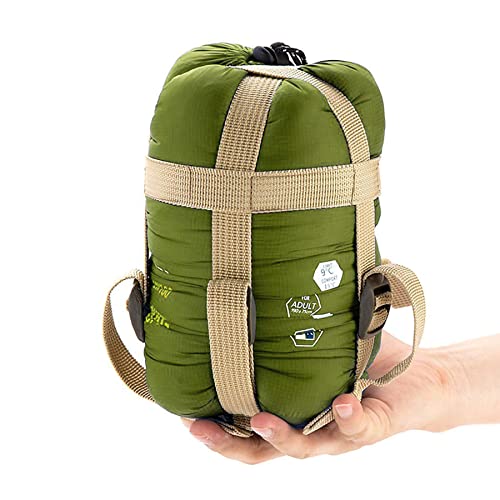
Budget Sleeping Bag for Backpacking: Lightweight Warmth Without the Premium Tier
Discover how to choose an affordable, packable, and warm sleeping bag for your next backpacking adventure. We break down fill types, temperature ratings, and construction features so you can sleep comfortably without overspending.
Why this guide matters: A sleeping bag is one of the most critical pieces of backpacking gear. It keeps you warm, affects how much weight you carry, and can make or break a trip. But you don't need a top-tier model to get reliable performance. Many budget sleeping bags for backpacking now offer excellent warmth-to-weight ratios, durable materials, and compressible designs at entry-level and mid-range tiers.
This guide will help you understand the trade-offs, identify the features that matter most, and find a bag that fits your body and your backpacking style — all without stretching your wallet.
What Makes a Sleeping Bag Budget-Friendly for Backpacking?
In the backpacking world, "budget" doesn't mean low quality. It means smart compromises. A budget-friendly sleeping bag typically uses synthetic insulation instead of high-end down, simpler baffle construction, and slightly heavier fabrics. However, many entry-level and mid-range bags still deliver dependable warmth and packability for three-season adventures.
When shopping on a budget, focus on three key factors: temperature rating, packed size, and weight. A bag that's too heavy or too bulky will quickly become a burden on the trail, no matter how affordable it is. Look for bags that balance these attributes without pushing into premium-tier territory.
🌡️ Temperature Rating
Look for a comfort rating that matches your expected conditions. For three-season backpacking, a bag rated around 20°F to 35°F (EN/ISO comfort) is a versatile choice. Budget bags often list a "limit" rating, so check the comfort rating if available.
⚖️ Weight & Packability
Synthetic bags are heavier and bulkier than down, but modern entry-level synthetics have improved significantly. Aim for a bag under 3 lbs if possible, and check the compressed size to ensure it fits your backpack.
🧵 Insulation Type
Synthetic fills like Climashield, Hollofil, or proprietary polyester blends are common in budget bags. They handle moisture better than down and are easier to clean. Down blends offer better warmth-to-weight but cost more.
📐 Shape & Fit
Mummy bags are lighter and warmer for their size. Semi-rectangular bags offer more room but weigh more. For backpacking, a mummy or semi-mummy shape is usually the best compromise between comfort and efficiency.
Synthetic vs. Down: Which Budget Fill Is Right for You?
The fill material is the biggest factor in a sleeping bag's warmth, weight, and price. Here's how the two main options compare when you're shopping on a budget.
| Feature | Synthetic Fill | Down Fill |
|---|---|---|
| Cost Tier | Entry-level to mid-range | Mid-range to premium |
| Warmth-to-Weight | Moderate | Excellent |
| Moisture Resistance | Good — retains warmth when damp | Poor — loses loft when wet |
| Packability | Bulkier | Highly compressible |
| Durability | Long-lasting, easy to clean | Requires careful care |
| Best For | Budget-conscious backpackers, wet climates | Weight-conscious backpackers, dry climates |
For most budget-focused backpackers, a synthetic bag is the practical choice. It costs less, handles unexpected rain or condensation better, and doesn't require the same level of care as down. If you're willing to stretch your budget slightly, a down blend or a lower-fill-power down bag can save weight without jumping to premium pricing.
If you're specifically looking for a lightweight option for hiking, see our guide on sleeping bag for hiking and camping. For colder conditions, a 0-degree flannel-lined sleeping bag can extend your season, though it will be heavier.
Understanding Temperature Ratings Without the Confusion
Temperature ratings are one of the most misunderstood aspects of sleeping bag shopping. Most manufacturers list a "limit" rating (the lowest temperature at which an average man can sleep comfortably) and sometimes a "comfort" rating (the temperature at which an average woman can sleep comfortably). For budget bags, the comfort rating is often the more realistic number.
Here's a quick breakdown of what to expect from different rating tiers:
- 50°F / 10°C and above: Summer-only bags. Lightweight and affordable, but only suitable for warm nights.
- 30°F to 45°F / -1°C to 7°C: Three-season bags for mild to cool conditions. The most versatile range for budget backpackers.
- 15°F to 30°F / -9°C to -1°C: Cold-weather bags. Heavier and bulkier, but suitable for early spring and late fall.
- 0°F / -18°C and below: Winter bags. Rarely budget-friendly, as they require significant insulation.
If you're new to backpacking, a bag rated around 20°F to 30°F (comfort) is a safe bet for three-season use. Pair it with a good inflatable sleeping pad for camping to insulate you from the ground, and you'll stay warm even on chilly nights.
Key Features That Matter in a Budget Backpacking Bag
Not all budget bags are created equal. Here are the features that make the biggest difference in comfort and durability.
🔒 Draft Collar & Hood
A well-designed hood and draft collar trap heat around your head and neck, where most body heat is lost. Even budget bags should have an adjustable hood and a draft tube along the zipper.
🧷 Zipper Quality
A snag-free, durable zipper is essential. Look for bags with anti-snag zipper guards and two-way zippers for ventilation. Cheap zippers are a common failure point in low-cost bags.
📦 Compression Sack
A good compression sack can reduce a bulky synthetic bag's packed size by 30–50%. Many budget bags include one, but if not, a separate compression sack is a worthwhile investment.
🛡️ Shell Fabric
Look for a water-resistant or water-repellent shell fabric (like 20D or 30D nylon or polyester). This protects the insulation from moisture and adds durability without much weight.
If you plan to backpack in wet or humid conditions, a synthetic bag with a water-resistant shell is your best bet. For dry climates, you can prioritize weight savings with a down blend. And if you're camping with a partner, consider whether your bag can zip together with another sleeping bag for shared warmth.
Choosing the Right Size and Fit
A sleeping bag that's too large will have extra air space to heat, reducing efficiency. One that's too small will compress insulation and feel restrictive. Most budget bags come in regular and long sizes, and some offer short versions.
Here's a general sizing guide:
- Short: Up to 5'6" (168 cm) — often lighter and more affordable.
- Regular: 5'6" to 6'0" (168–183 cm) — the most common size.
- Long: 6'0" to 6'6" (183–198 cm) — adds length and sometimes width.
If you're between sizes, size up rather than down — a slightly larger bag is better than one that compresses your insulation. Also, consider the shape: mummy bags are the most efficient for backpacking, while semi-rectangular bags offer more room for side sleepers.
Making Your Budget Bag Last
A well-cared-for sleeping bag can last for many seasons, even if it's an entry-level model. Here are a few tips to extend its life:
- Store it loose: Never store your bag compressed. Hang it or keep it in a large cotton storage sack to preserve loft.
- Clean it properly: Follow the manufacturer's instructions. Most synthetic bags can be machine-washed on a gentle cycle and dried on low heat.
- Use a liner: A sleeping bag liner keeps your bag clean and adds a few degrees of warmth.
- Avoid direct heat: Don't dry your bag near a fire or heater — it can damage the insulation and shell fabric.
If you're backpacking with a dog, check out our tips on camping with dogs to keep your gear protected from claws and dirt.
Frequently Asked Questions
Can a budget sleeping bag really keep me warm?
Yes. Many entry-level and mid-range synthetic bags are rated for three-season use and perform well when paired with a quality sleeping pad. The key is choosing the right temperature rating and managing moisture.
Is down better than synthetic for backpacking?
Down offers a better warmth-to-weight ratio and packs smaller, but it's more expensive and loses insulation when wet. Synthetic bags are more affordable, handle moisture better, and are a great choice for budget-conscious backpackers.
How do I know what temperature rating I need?
Consider the lowest temperatures you expect to encounter. For three-season backpacking, a comfort rating of 20°F to 35°F is versatile. If you sleep cold, choose a bag rated 10°F lower than the expected low.
What's the best way to pack a sleeping bag?
Use a compression sack to minimize volume, and place the bag at the bottom of your backpack. This keeps the weight low and centered. For more packing tips, see our overnight camping trip packing list.
Should I buy a sleeping bag or a quilt?
Quilts are lighter and popular among ultralight backpackers, but they require a good sleeping pad and careful setup. For beginners and budget-focused backpackers, a traditional sleeping bag is usually more forgiving and easier to use.
Ready to Find Your Perfect Budget Backpacking Bag?
Explore our recommended sleeping bags below — selected for value, warmth, and packability.
View Recommended Gear ↓