RV Camper Heaters: The Complete Guide to Warm, Safe Adventures
Everything you need to know about choosing, installing, and safely operating RV camper heaters — from propane and electric to diesel air heaters for off-grid comfort.
Find Your Perfect HeaterWhy Heating Matters in an RV: Unlike a house, an RV loses heat rapidly through thin walls, single-pane windows, and uninsulated storage bays. A properly sized and safely installed RV camper heater is not a luxury — it is essential equipment for extending your camping season and staying comfortable in cold weather. This guide walks you through every type, safety consideration, and practical tip so you can make a confident decision.
Types of RV Camper Heaters Explained
Not all RV heaters are created equal. The right choice depends on your rig's power setup, fuel availability, how you camp (full hookups vs. boondocking), and your climate. Below is a breakdown of the four main categories you will encounter.
1. Propane RV Heaters
Propane is the most common fuel source for RV heating because it is portable, widely available, and burns efficiently. Propane heaters come in two main styles: built-in furnaces that distribute heat through ductwork, and portable catalytic or radiant units that heat a specific area directly.
Built-in propane furnaces are the standard in most manufactured RVs. They draw propane from your onboard tank and use a blower to push warm air through vents. Portable propane heaters — such as the popular Mr. Heater line — are compact, require no installation, and are excellent as backup or supplemental heat. For a closer look at portable options, see our guide to propane camping heaters.
✓ Pros
- Widely available fuel
- No dependence on shore power
- Fast, intense heat output
- Portable models require no installation
✗ Cons
- Produces moisture and CO — ventilation required
- Consumes propane quickly in large spaces
- Built-in furnaces can be noisy
- Requires safe storage of propane cylinders
2. Electric RV Heaters
Electric heaters are simple, clean, and safe — provided you have access to shore power or a sufficiently large battery bank with an inverter. They range from small ceramic fan heaters to oil-filled radiator styles and infrared panels. Many RVers use a small electric space heater as their primary heat source when plugged into a campground pedestal, saving propane for cooking and hot water.
If you are considering an electric option for a tent or small camper, our article on electric tent heaters covers similar technology in a more portable format. For general space heating in confined areas, the principles in our camping space heater guide also apply to RV use.
✓ Pros
- No fuel storage or combustion byproducts
- Quiet operation
- Consistent, dry heat
- Low upfront cost for portable units
✗ Cons
- Requires significant electrical power
- Useless during boondocking without a large battery system
- Can trip campground breakers if too powerful
- Does not heat large RVs evenly
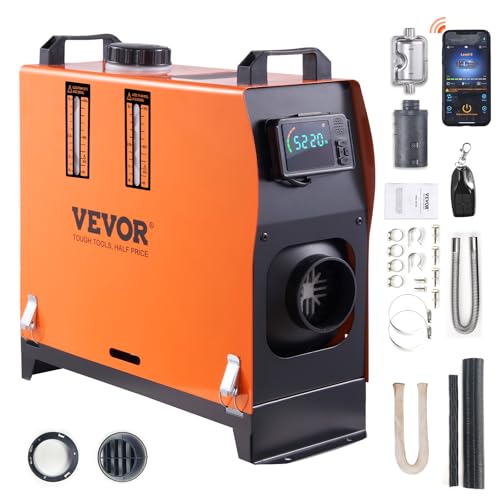
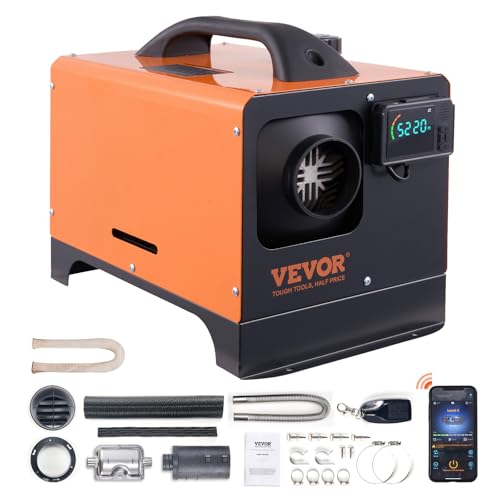
3. Diesel Air Heaters
Diesel heaters — sometimes called Chinese diesel heaters or by brand names like Webasto and Eberspächer — have exploded in popularity among van lifers and boondockers. They sip fuel from a small dedicated tank or your vehicle's diesel tank, use very little electricity (typically 1–3 amps at start-up, less once running), and produce dry, consistent heat.
Diesel heaters are particularly well-suited to cold-weather camping. They are a favorite among pickup truck camper owners and those with DIY truck campers because they can run all night without depleting batteries or requiring propane refills. For a broader look at heating solutions for truck-based rigs, see our overland truck camper resource.
✓ Pros
- Extremely fuel-efficient
- Low electrical draw
- Dry heat — no moisture buildup
- Ideal for boondocking and cold climates
✗ Cons
- Requires professional installation
- Higher upfront cost than portable heaters
- Needs a dedicated fuel line and exhaust
- Can be noisy during start-up and shutdown
4. Radiant Portable Heaters
Radiant heaters warm objects and people directly rather than heating the air. They are excellent for spot heating — pointing at a seating area or a bed — and are often used in addition to a main furnace. Many models are propane-powered and feature tip-over shut-off and oxygen depletion sensors. Explore our guide to radiant portable heaters for more detail on this category.
RV Heater Comparison at a Glance
The table below summarizes the key differences between the main heater types. Use the tier descriptors to understand relative market positioning without getting bogged down in fluctuating prices.
| Heater Type | Fuel Source | Power Draw | Best For | Market Tier |
|---|---|---|---|---|
| Built-in Propane Furnace | Propane | 12V blower (moderate) | Full-time RVs, large rigs | Mid-range |
| Portable Propane Heater | Propane cylinder | None (or small fan) | Supplemental heat, backup | Entry-level |
| Electric Ceramic Heater | Shore power / inverter | High (120V AC) | Campgrounds with hookups | Entry-level |
| Diesel Air Heater | Diesel | Low (12V DC) | Boondocking, cold weather | Premium |
| Radiant Portable Heater | Propane or electric | Low to none | Spot heating, emergency backup | Entry-level |
| Hydronic Heating System | Diesel or propane | Moderate | Luxury RVs, continuous hot water | Luxury |
How to Choose the Right RV Camper Heater
Choosing a heater is about matching the unit to your camping style, your rig's infrastructure, and your safety priorities. Work through the following decision factors.
Determine Your BTU Requirement
Heating capacity is measured in British Thermal Units (BTUs). A rough rule of thumb: you need approximately 10 watts (about 34 BTUs) per square foot of interior space in moderate cold. In freezing conditions, double that estimate. A small camper van might need 3,000–5,000 BTUs; a mid-size travel trailer 10,000–20,000 BTUs; and a large motorhome 30,000 BTUs or more.
Insulation plays a huge role. A well-insulated four-season rig retains heat far better than a basic camper. If you camp in serious cold, look at how others extend their season — our winter camping hub and how to stay warm in winter guide offer broader strategies that complement your heater choice.
Consider Your Power and Fuel Sources
If you mostly camp with full hookups, an electric heater is the simplest, cleanest solution. If you boondock or dry camp, propane and diesel become far more attractive. Diesel heaters require a fuel source and a 12V connection; propane heaters require propane and, for built-in furnaces, 12V for the blower.
For those building or modifying a rig, our guides to cab-over campers and mini trailer campers discuss how heating integrates into compact builds.
Match the Heater to Your Rig Type
- Camper vans and small Class B: A compact diesel heater or a small electric ceramic unit works well. A camper that can be pulled by a car may only need a portable propane unit.
- Travel trailers and fifth wheels: Built-in propane furnaces are standard. Supplement with an electric heater when on shore power.
- Truck campers: Diesel heaters are increasingly the go-to choice. See our flatbed RV camper and box truck camper guides for build-specific considerations.
- Large motorhomes: A ducted propane furnace or a hydronic system provides even heat throughout. Portable heaters can supplement in the coldest zones.
Prioritize Safety Features
Every RV heater you consider should have, at minimum: an oxygen depletion sensor (ODS), automatic shut-off if the flame goes out, and tip-over protection if portable. Built-in units should be professionally installed and vented to the exterior. Never block vents or intake openings.
⚠️ Critical Safety Reminder
Carbon monoxide (CO) is an invisible, odorless killer. Any combustion heater — propane, diesel, or gasoline — produces CO. Always install a CO detector in your RV, test it regularly, and never operate a combustion heater in a sealed space without proper ventilation. If you feel drowsy, dizzy, or nauseous, turn off the heater, ventilate immediately, and get fresh air.
Installation and Maintenance Essentials
Portable heaters require little more than a stable surface and proper clearance. Built-in furnaces and diesel heaters, however, are permanent installations that involve cutting into your rig, running fuel lines, and wiring electrical connections.
Professional vs. DIY Installation
Diesel heater installation is not a beginner's project. It involves tapping into a fuel source, mounting an exhaust pipe with proper downward slope to prevent water ingress, and ensuring the combustion intake and exhaust are completely sealed from the living space. Mistakes can be dangerous. Unless you have significant mechanical experience, hire a qualified RV technician.
Propane furnace replacement or upgrade similarly requires knowledge of gas fittings, leak testing, and electrical connections. For any gas appliance, professional installation is strongly recommended.
Routine Maintenance Checklist
- Before each cold season: Inspect the furnace burner, clean or replace the filter, and check the exterior vent for obstructions (insects, mud daubers, snow).
- Monthly during use: Test your CO detector and smoke alarm. Vacuum dust from electric heater intakes and elements.
- For diesel heaters: Check the fuel line for leaks, clean the combustion chamber periodically, and replace the glow plug or atomizer screen as recommended by the manufacturer.
- For propane systems: Have a qualified technician perform a leak-down test annually. Check hoses and regulators for cracking.
Proper maintenance extends the life of your heater and, more importantly, keeps you safe. Our winter camping gear guide and winter camping heaters article provide additional seasonal preparation tips.
Tips for Heating Your RV Efficiently
Even the best heater struggles against poor insulation and careless habits. These practical tips will help you get the most warmth from every unit of fuel or watt.
- Insulate windows: Reflectix or thermal curtains dramatically reduce heat loss. Cover skylights and vents with insulated cushions.
- Seal drafts: Check door seals, slide-out gaskets, and cable pass-throughs. A small gap can waste a surprising amount of heat.
- Use a fan to circulate air: A small 12V fan on the floor pushing warm air along the ceiling helps distribute heat evenly, especially in rigs with a single heat source.
- Heat the person, not the space: When boondocking, a radiant heater aimed at your seating or sleeping area uses less fuel than trying to bring the entire RV to room temperature.
- Layer up indoors: Wearing warm clothing indoors lets you set the thermostat lower. Our layering clothing system guide explains how to dress for cold.
- Manage moisture: Propane heaters produce water vapor. Crack a vent or window slightly to let moisture escape and prevent condensation on walls and windows.
For campers who use their rig in extreme cold, combining a primary heater with a secondary backup — such as a camping space heater or a radiant portable heater — provides redundancy if one unit fails.
Using RV Heaters for Winter Camping
Winter camping in an RV is entirely feasible with the right heater and preparation. The key challenges are keeping water lines from freezing, managing condensation, and maintaining a safe, breathable interior environment.
Diesel heaters are exceptionally popular for winter RV use because they produce dry heat and run on a tiny amount of fuel. Propane furnaces work well but consume more fuel and introduce moisture. Electric heaters are limited to shore power but are clean and quiet. Many winter RVers use a combination: a diesel heater for continuous background warmth and an electric or propane unit for quick morning warm-ups.
If you are extending your camping into cold months, review our winter camping safety and frostbite prevention guides. For tent campers considering a similar approach, the principles in heaters for camping in a tent in winter and safe battery-operated tent heaters offer useful comparisons.
Also consider your destination. Cold-weather camping in places like Yellowstone, Colorado, or Alaska demands robust heating and insulation. Our best winter camping in the US guide highlights locations and what to expect.
Frequently Asked Questions
Ready to Heat Your Rig?
Browse our curated selection of RV camper heaters and find the right match for your camping style.
See Recommended Heaters