What Is a Roof Tent and Why Should You Consider One?
A roof tent (also known as a rooftop tent or roof top tent) is a camping shelter that mounts directly onto the roof rack of your vehicle. Unlike traditional ground tents, a roof tent elevates you off the ground, providing a flat, dry, and comfortable sleeping surface wherever you park. This makes it an ideal solution for camping trips that involve travel camping or overnight camping across varied terrain.
The concept has exploded in popularity among overlanders, road-trippers, and weekend adventurers. Why? Because a roof tent solves several common camping problems: uneven ground, moisture, insects, and the time-consuming setup of a traditional tent. With a roof tent, you simply park, unfold, and you're home for the night. For those who love car camping but want more comfort and convenience, a roof tent is a game-changer.
Quick Tip: If you're new to vehicle-based camping, start by reading our guide on planning your first camping trip to understand the basics before investing in a roof tent.
Types of Roof Tents: Hard Shell vs. Soft Shell
Roof tents generally fall into two main categories, each with distinct advantages. Understanding the difference is crucial before you buy.
Hard Shell Roof Tents
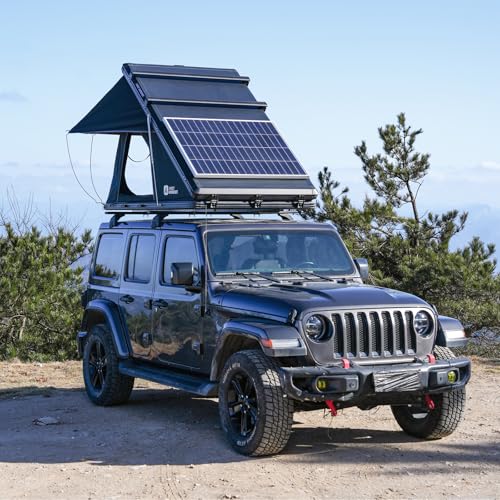
Hard shell roof tents feature a rigid, aerodynamic clamshell design, typically made from fiberglass, aluminum, or ABS plastic. They open via gas struts, often in seconds. These are the premium choice for frequent travelers and overlanders.
- Pros: Extremely quick setup (often under 60 seconds), superior weather resistance, sleek aerodynamic profile, and excellent durability. They are also quieter in high winds.
- Cons: Higher investment tier, heavier, and typically sleep fewer people (usually 2–3).
- Best for: Solo travelers, couples, and serious overlanders who value speed and durability. If you want the easiest possible setup, consider a 2-person hard shell roof top tent.
Soft Shell Roof Tents
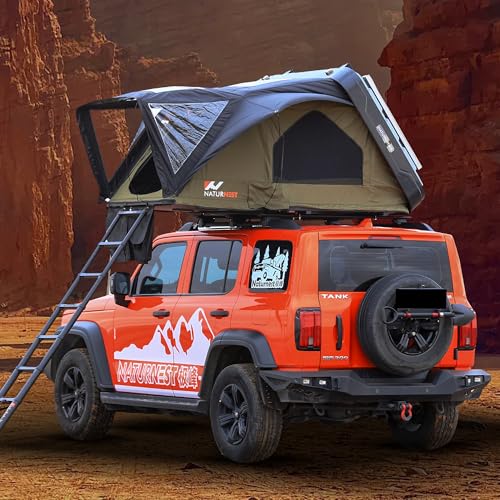
Soft shell roof tents (also called fold-out or canvas roof tents) are made from heavy-duty poly-cotton canvas. They fold out over your vehicle, often with an annex or ladder. They are the traditional style and offer more space.
- Pros: More interior space, often sleep 3–4 people, lower entry-level and mid-range investment tiers, and a classic camping feel.
- Cons: Longer setup time (5–15 minutes), bulkier when packed, and less aerodynamic.
- Best for: Families, groups, and campers who prioritize space and comfort over speed. A roof top tent hard shell 4 person model combines space with hard-shell convenience, but soft shells generally offer the most room for the investment.
How to Choose the Right Roof Tent for Your Vehicle
Not all roof tents fit all vehicles. Before you buy, consider these critical factors:
1. Vehicle Compatibility and Roof Load
Check your vehicle's roof weight capacity. Most cars and SUVs have a dynamic roof load limit (the weight the roof can carry while driving) and a static load limit (when parked). A typical roof tent weighs between 90 and 200 pounds. You must also account for the weight of the roof rack itself. For trucks, you might consider a hard shell roof top tent for truck or a roof top tent for full size truck that mounts over the bed.
2. Size and Sleeping Capacity
Roof tents are rated by the number of sleepers. A 2-person tent is cozy for two adults. A 3-person tent offers more room. For families, a 4-person model is common. If you have a full-size truck, a roof top tent for full size truck can accommodate larger families. For smaller cars, a 2-person hard shell roof top tent is ideal.
3. Mounting System
Roof tents mount to crossbars on your roof rack. Ensure your rack is compatible. Some tents come with universal mounting brackets; others require specific rails. For truck beds, you can use a roof top tent mounted on truck bed system, which keeps the roof free for other gear.
4. Setup Mechanism
Hard shell tents pop up with gas struts. Soft shell tents require unfolding and attaching a ladder. If ease of use is your top priority, a hard shell is superior. For those who want the absolute easiest setup, look for the easiest roof top tent to set up.
5. Weather Resistance
Look for tents with a high waterproof rating (e.g., 3000mm+ for rainfly) and UV-resistant materials. If you camp in cold weather, consider a 4 season tent with stove jack for sale — some roof tents can accommodate a stove jack for winter camping. For wet climates, an anti-condensation mat for roof top tent is a must to prevent moisture buildup.
Pro Tip: Always check the dynamic weight capacity of your roof rack. Exceeding it can damage your vehicle and is dangerous. When in doubt, consult a professional installer.
Installation Guide: How to Mount a Roof Tent
Installing a roof tent is a straightforward process, but it requires two people and basic tools. Here's a step-by-step overview:
- Prepare Your Roof Rack: Ensure your crossbars are rated for the tent's weight. Most roof tents require crossbars spaced 30–50 inches apart.
- Lift the Tent: With a helper, lift the tent onto the roof rack. This is the hardest part — the tent is heavy and awkward.
- Align and Bolt: Position the tent so it's centered. Use the provided mounting brackets to bolt the tent to the crossbars. Tighten securely.
- Test the Setup: Open and close the tent several times to ensure it operates smoothly. Check that the ladder reaches the ground safely.
- Secure the Ladder: Most ladders attach to the tent and extend to the ground. Ensure it's stable.
For a visual guide, many manufacturers provide video tutorials. If you're not confident, a local off-road shop can install it for you. Once installed, your roof tent stays on your vehicle, ready for spontaneous adventures.
Roof Tent Setup: What to Expect
The setup time varies significantly between hard and soft shell tents. Here's a realistic breakdown:
| Type | Setup Time | Take-Down Time | Ease of Use |
|---|---|---|---|
| Hard Shell | 30–60 seconds | 1–2 minutes | Very Easy |
| Soft Shell | 5–15 minutes | 10–20 minutes | Moderate |
For hard shell tents, you simply unlatch the clamshell and let the gas struts lift the roof. For soft shell tents, you unzip the cover, unfold the tent, insert the ladder, and attach any awnings. In windy conditions, soft shell tents can be challenging to manage alone. If you frequently camp solo, a hard shell is the better choice.
Benefits of Roof Tent Camping
Why choose a roof tent over a ground tent? Here are the top benefits:
- Comfort: You sleep on a flat, thick mattress (most roof tents include a high-density foam mattress). No rocks, roots, or puddles.
- Safety: Being elevated provides security from wildlife and reduces exposure to insects and snakes.
- Convenience: No need to find a flat spot. You can camp in places where ground tents are impossible, like rocky terrain or muddy areas.
- Views: You wake up to panoramic views. Many roof tents have large windows and skylights.
- Quick Stops: For road trips, you can stop late and set up in minutes. Perfect for travel camping.
- Gear Storage: Many roof tents have an annex or vestibule for storing gear, keeping it off the ground.
For those who love glamping but want to stay mobile, a roof tent offers a luxurious yet adventurous experience. It's also a great option for camping with dogs, as they can sleep in the annex or vehicle.
Common Mistakes to Avoid with Roof Tents
New roof tent owners often make these mistakes. Learn from them to have a better experience:
- Overloading the Roof: Exceeding dynamic weight limits can cause roof damage or accidents. Always weigh your tent and rack.
- Not Using an Anti-Condensation Mat: Without a mat, moisture from your body can soak the mattress. An anti-condensation mat for roof top tent is a cheap but essential accessory.
- Ignoring Aerodynamics: A roof tent increases wind resistance and noise. Hard shell tents are more aerodynamic. If you have a soft shell, consider a wind fairing.
- Forgetting a Ladder: Some tents include a ladder; others don't. Always check. A telescoping ladder is best.
- Not Practicing Setup: Before your first trip, practice setting up and taking down the tent in your driveway. This prevents frustration at the campsite.
- Parking on Uneven Ground: While roof tents are more forgiving, parking on a steep slope can make sleeping uncomfortable. Try to find level ground.
Roof Tent Maintenance and Care
To extend the life of your roof tent, follow these maintenance tips:
- Clean and Dry: After each trip, clean the tent with mild soap and water. Ensure it's completely dry before closing to prevent mold and mildew.
- Condition the Canvas: For soft shell tents, apply a canvas conditioner annually to maintain water repellency.
- Lubricate Zippers: Use a silicone-based lubricant on zippers to keep them running smoothly.
- Check Mounting Hardware: Periodically check bolts and brackets for tightness, especially after off-road driving.
- Store Properly: If you remove the tent for the off-season, store it in a cool, dry place.
Frequently Asked Questions About Roof Tents
Can I put a roof tent on any car?
Not every car. You need a roof rack with a dynamic weight capacity that exceeds the tent's weight plus the rack itself. Most SUVs, trucks, and vans can support a roof tent. Small cars may not have sufficient roof capacity. Always check your vehicle's manual.
How long does it take to set up a roof tent?
Hard shell roof tents can be set up in under a minute. Soft shell tents take 5–15 minutes depending on the model and conditions. The easiest roof top tent to set up is typically a hard shell model with gas struts.
Are roof tents safe in high winds?
Hard shell roof tents are generally very stable in high winds due to their aerodynamic shape. Soft shell tents can flap but are still safe if properly secured. Always park facing into the wind if possible.
Can I use a roof tent in winter?
Yes, with preparation. You'll need a 4-season roof tent or a model with a stove jack. Insulation and a good sleeping bag are essential. For extreme cold, consider a 4 season tent with stove jack for sale that can accommodate a wood stove. Also, read our guide on winter camping for more tips.
How much does a roof tent weigh?
Hard shell roof tents typically weigh between 100 and 200 pounds. Soft shell tents can weigh 90 to 150 pounds. Always check your roof's dynamic weight limit before installing.
Do I need a special ladder for my roof tent?
Most roof tents come with a ladder. If not, you'll need a telescoping ladder that reaches from the tent entrance to the ground. Ensure it has a secure attachment point.
Can I leave my roof tent on my car all the time?
Yes, many people do. However, it will reduce fuel efficiency and may increase wind noise. If you don't camp frequently, it's best to remove it for daily driving. But for avid campers, leaving it on is convenient.
What is the best roof tent for a family?
For families, a soft shell roof tent with a large annex is often best. It provides more space and can sleep 4–5 people. A roof top tent hard shell 4 person is also an option if you prefer hard shell convenience but need more space.
Final Thoughts: Is a Roof Tent Right for You?
A roof tent is an investment in convenience, comfort, and adventure. If you love road trips, overlanding, or frequent weekend getaways, a roof tent can transform your camping experience. It eliminates the hassle of finding a flat spot, keeps you dry and safe, and lets you camp almost anywhere your vehicle can go.
Before you buy, assess your vehicle's compatibility, your typical camping style, and your budget. Consider whether a hard shell or soft shell suits you best. And don't forget the essential accessories like an anti-condensation mat and a good ladder.
For more guidance on vehicle camping, explore our guides on car camping, truck camping, and RV camping. And if you're still deciding between a roof tent and a ground tent, read our comparison of tent vs hammock and camping vs glamping.
Ready to Elevate Your Camping?
Check out our recommended roof tents and camping gear below. Find the perfect rooftop tent for your next adventure.
VIEW RECOMMENDED GEAR