Portable Hot Water Shower: The Complete Guide to Outdoor Hygiene
Everything you need to know about choosing, using, and maintaining a portable hot water shower for camping, van life, and off-grid adventures.
View Top PicksWhy a Portable Hot Water Shower Matters: After a long day of hiking, fishing, or exploring, a warm shower transforms your campsite experience. It's not just about cleanliness—it's about comfort, morale, and staying fresh on multi-day trips. Modern portable hot water showers are compact, efficient, and surprisingly powerful, making hot water accessible almost anywhere.
Whether you're a weekend car camper, a van lifer, or a backcountry enthusiast, having access to hot water on demand changes everything. This guide breaks down the different types of portable hot water showers, how they work, what to look for, and how to use them safely. By the end, you'll know exactly which system fits your needs and be ready to make an informed purchase.
Types of Portable Hot Water Showers
Not all portable showers are created equal. The right choice depends on your power source, water availability, and how much weight you're willing to carry. Here are the four main categories:
1. Propane-Powered Showers
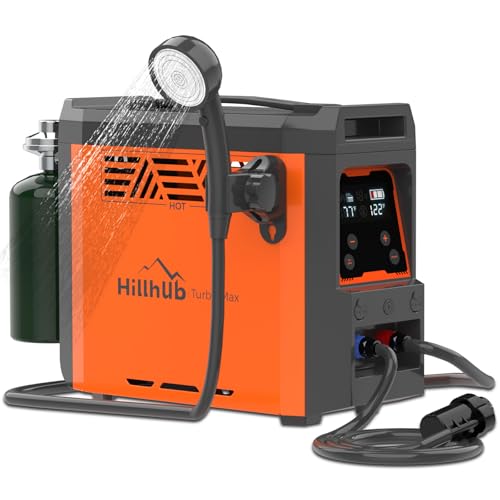
These systems use small propane canisters (often the same 16 oz propane tanks used for camp stoves) to heat water on demand. They're the most popular choice for car campers and overlanders because they deliver continuous hot water without electricity. Most models can heat water to comfortable temperatures in seconds and run for hours on a single canister.
2. Electric Portable Showers
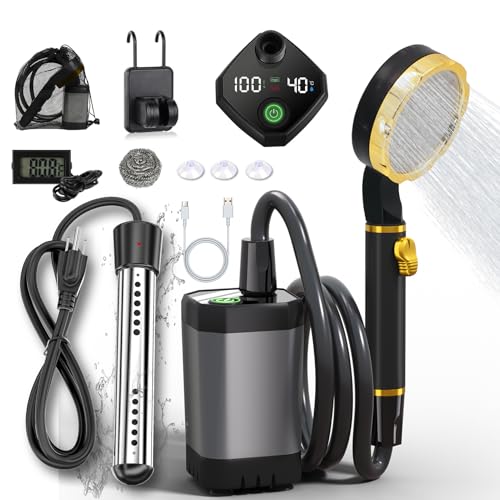
Electric showers rely on a 12V car outlet or a rechargeable battery to power a pump and heating element. They're quieter and produce no emissions, making them ideal for enclosed spaces or areas with fire restrictions. However, they typically require a power source and may have lower flow rates than propane models. Pair one with a portable power station for extended off-grid use.
3. Gravity-Fed Solar Showers
The simplest and most affordable option: a black bag that absorbs sunlight to warm water. You hang it from a tree or a pop-up privacy tent, and gravity does the rest. These are lightweight, require no fuel or electricity, and are perfect for minimalist campers. The trade-off is that water temperature depends on the sun, and you have limited water capacity.
4. Heat Exchanger Showers
These clever devices connect to your vehicle's engine cooling system to heat water while you drive. They're popular among van lifers and overlanders who want hot water without carrying extra fuel. Installation is more involved, but once set up, they provide unlimited hot water using waste heat from the engine.
Portable Hot Water Shower Comparison
| Type | Power Source | Best For | Portability | Typical Tier |
|---|---|---|---|---|
| Propane-Powered | Propane canister | Car camping, overlanding | Moderate | Mid-Range |
| Electric | 12V / Battery | Van life, quiet campsites | High | Entry-Level |
| Gravity-Fed Solar | Sunlight | Backpacking, minimalist camping | Very High | Budget-Friendly |
| Heat Exchanger | Vehicle engine | Van life, full-time overlanding | Low (permanent install) | Premium |
Key Features to Consider Before Buying
When evaluating a portable hot water shower, focus on these critical factors:
Flow Rate and Temperature Control
Flow rate is measured in gallons or liters per minute. Entry-level models typically provide a modest trickle, while mid-range and premium units offer a more consistent, shower-like flow. Temperature control varies too: basic models have a simple on/off, while advanced models feature adjustable heat settings. If you plan to shower in cold weather, look for a model with precise temperature regulation.
Water Source and Capacity
Some showers draw from any water source (a bucket, a lake, a jerrycan), while others have built-in tanks. If you're camping near a water source, a pump-based system is ideal. If not, consider a model with a larger reservoir or pair it with a water filtration system for camping to safely use natural water sources.
Power and Fuel Requirements
Propane showers need a steady supply of canisters. Electric showers need a reliable 12V outlet or battery bank. Solar showers need sun. Think about your typical camping setup and choose accordingly. For extended trips, a solar charger for camping can keep your electric shower running indefinitely.
Portability and Setup
Weight and packed size matter, especially if you're tight on space. Propane units are bulkier but self-contained. Solar bags pack down to nothing. Electric showers fall somewhere in between. Setup time is another factor: propane and electric models usually take just a few minutes, while heat exchangers require professional installation.
Durability and Build Quality
Look for corrosion-resistant materials, reinforced hoses, and a sturdy pump. Cheap units may leak or fail after a few uses. Mid-range and premium models often feature brass fittings, stainless steel components, and better warranties.
Pros and Cons of Portable Hot Water Showers
✅ Advantages
- Hot water anywhere, anytime
- Improves comfort and hygiene on long trips
- Compact and lightweight options available
- Reduces need for campground facilities
- Great for rinsing gear, pets, and dishes
❌ Limitations
- Requires fuel, power, or sunlight
- Water capacity may be limited
- Some models need a separate privacy shelter
- Setup and pack-down take time
- Higher-end models represent a significant investment
How to Use a Portable Hot Water Shower Safely
Using a portable shower is straightforward, but a few best practices ensure safety and efficiency:
Step 1: Choose a Suitable Location
Set up your shower on flat, stable ground, away from traffic and water sources. If you're using a privacy tent, ensure it's properly anchored. Never use a propane shower inside a tent or enclosed space due to carbon monoxide risks.
Step 2: Prepare Your Water Source
Fill your reservoir with clean water. If using natural sources, always filter or treat the water first. A camping water filter removes sediment and pathogens, protecting both you and your shower system from clogs.
Step 3: Test Temperature Before Use
Always test the water temperature on your hand or elbow before stepping in. Propane and electric showers can heat water quickly, and scalding is a real risk. Adjust the flow or heat setting until it's comfortable.
Step 4: Conserve Water
Wet yourself, turn off the water, lather up, then rinse. This "Navy shower" technique uses just a fraction of the water of a traditional shower and is essential when water is scarce.
Step 5: Practice Leave No Trace
Use biodegradable soap and dispose of gray water properly. Follow Leave No Trace principles to minimize your impact. If you're camping in a designated area, check local regulations about gray water disposal.
Ready to Upgrade Your Camping Experience?
Browse our curated selection of top-rated portable hot water showers and find the perfect match for your adventures.
See Recommended ModelsMaintenance and Care Tips
To keep your portable hot water shower running smoothly for years:
- Drain and dry after every use: Prevent mold and mildew by emptying all water and letting components air dry.
- Clean the pump and hoses: Flush with fresh water regularly. For electric pumps, check the intake filter for debris.
- Inspect propane connections: Check for leaks using soapy water. Never use a damaged hose or regulator.
- Store properly: Keep your shower in a cool, dry place. Avoid extreme temperatures that can crack plastic components.
- Winterize: If you live in a cold climate, fully drain and store your shower indoors during freezing months. For winter camping, consider a portable heater for camping to keep water from freezing.
Who Should Buy a Portable Hot Water Shower?
These systems are ideal for:
- Car campers and overlanders: Propane or electric showers add comfort without much hassle.
- Van lifers: A heat exchanger or electric shower is a game-changer for full-time living.
- Families: Keep kids clean and happy with a warm shower after a day of play. Pair with a camping toilet for a complete hygiene setup.
- Backpackers: A lightweight solar bag is a luxury item but worth it on longer trips.
- Beach campers: Rinse off sand and salt before entering your tent. A quick-dry travel towel completes the kit.
Frequently Asked Questions
Can I use a portable hot water shower indoors?
Only electric or gravity-fed models should be used indoors, and even then, ensure proper ventilation. Propane showers produce carbon monoxide and must never be used inside tents, RVs, or enclosed spaces.
How much water does a typical shower use?
A standard portable shower uses 2–5 gallons per shower. By using the on/off technique, you can reduce this to 1–2 gallons. Solar bags typically hold 5 gallons, enough for 2–3 quick showers.
Do I need a privacy tent?
Not strictly, but it's highly recommended for comfort and privacy. A pop-up camping shower tent also keeps your shower clean and protects you from wind and bugs.
How long does a propane canister last?
A standard 16 oz propane canister typically provides 60–90 minutes of continuous shower time, depending on the model and flow rate. That translates to several showers for most users.
Are portable hot water showers worth it?
Absolutely. If you camp regularly, a hot shower dramatically improves your experience. It helps you sleep better, stay clean, and feel more refreshed. For many campers, it's one of the best upgrades they make.
Portable Shower Camping Checklist
- Portable hot water shower unit
- Propane canister or 12V power source
- Water source (bucket, jerrycan, or natural)
- Privacy tent or shower shelter
- Biodegradable soap and shampoo
- Quick-dry towel
- Flip-flops or shower shoes
- Gray water container (if required)
- Extra hose and fittings
- First aid kit (for minor cuts)
Final Thoughts
A portable hot water shower is more than a luxury—it's a practical investment in comfort and hygiene. Whether you choose a simple solar bag or a high-end propane system, the ability to shower outdoors brings a sense of normalcy and refreshment to any camping trip. Use this guide to match a system to your camping style, and don't forget to check out our recommended products below.
For more ways to enhance your campsite, explore our guides on camping essentials checklists and best camping gadgets.