Portable Deep Fryer: Crispy Food Anywhere
Discover how a portable deep fryer can transform your outdoor cooking. From campsite fish fries to tailgate parties, learn everything you need to know before you buy.
Start LearningWhy a Portable Deep Fryer Belongs in Your Camping Kit
There is something deeply satisfying about biting into a perfectly crispy piece of fried fish, a golden onion ring, or a batch of fresh-cut fries while surrounded by nature. For years, outdoor enthusiasts believed that deep frying was reserved for a home kitchen—too messy, too bulky, and too dangerous to bring along. That belief is now outdated. Modern portable deep fryers have been engineered specifically for outdoor use, offering compact designs, reliable temperature control, and safety features that make them a practical addition to any camping or tailgating setup.
Whether you are planning a weekend fishing trip and want to fry your catch on the spot, hosting a campsite gathering with friends, or simply looking to expand your outdoor cooking repertoire beyond grilled sausages and foil packets, a portable deep fryer opens up a new world of culinary possibilities. This guide will walk you through everything you need to know: how these appliances work, what features matter most, how to choose the right model for your needs, and how to use one safely and effectively in an outdoor environment.
If you are building out your outdoor kitchen, you may also want to explore other specialized cooking gear such as a camping stove and oven or a portable gas burner propane to complement your deep frying setup. For those who prefer a more traditional approach, a camp and kitchen setup can provide the organizational framework you need.
What Exactly Is a Portable Deep Fryer?
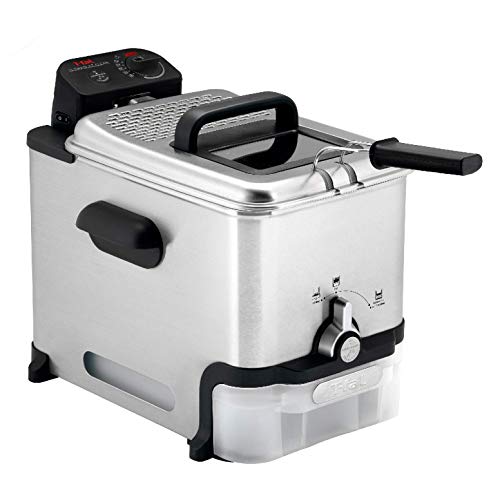
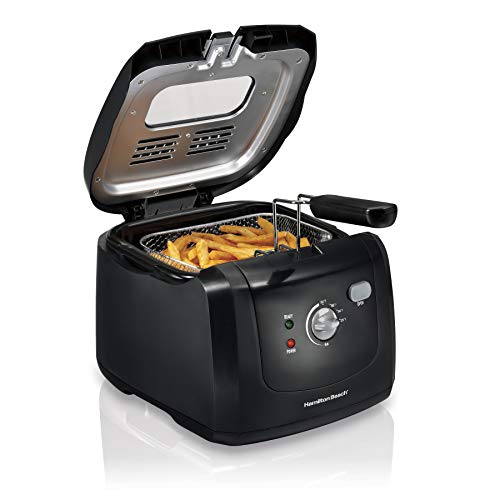
A portable deep fryer is a compact, self-contained appliance designed to heat oil to precise temperatures for deep frying food. Unlike a traditional countertop fryer that lives permanently on your kitchen counter, a portable model is built for transport. It typically features a smaller oil capacity, a lid or cover to prevent splatter during travel, cool-touch handles, and often a detachable power cord or a propane-powered heating element for off-grid use.
These appliances come in several distinct categories, each suited to different outdoor scenarios:
Electric Portable Fryers
Powered by standard AC or 12V DC (car outlet). Ideal for RV camping, tailgating, and campsites with electrical hookups. They offer precise temperature control and are easy to clean.
Propane-Powered Fryers
Run on small propane tanks. Best for off-grid camping, fishing trips, and large batches. They heat up quickly and can handle bigger loads of food.
Multi-Function Fryers
Combine deep frying with other cooking methods like boiling, steaming, or even grilling. A versatile choice for campers who want one appliance that does it all.
No matter which type you choose, the core principle remains the same: hot oil plus food equals crispy, delicious results. The difference lies in how you power the unit, how much oil it holds, and how portable it truly is when packed away.
Key Features to Look for in a Portable Deep Fryer
Not all portable fryers are created equal. When you are shopping for one to use outdoors, certain features matter far more than others. Here is what to prioritize:
1. Oil Capacity and Basket Size
Oil capacity determines how much food you can fry at once. Entry-level models typically hold around 1 to 1.5 liters, which is fine for small batches of fries or a few pieces of fish. Mid-range models often hold 2 to 3 liters, allowing you to fry for two to four people comfortably. High-end and large-capacity fryers can exceed 4 liters, making them suitable for group camping or large family gatherings. Consider how many people you typically cook for and choose accordingly.
2. Heating Element and Power Source
Electric models are the most common and easiest to use, but they require a power source. If you camp at sites with electrical hookups or in an RV, a standard 120V electric fryer is a great choice. For true off-grid adventures, propane-powered fryers offer the freedom to cook anywhere. Some 12V models can plug into your car's cigarette lighter, which is convenient for tailgating but may heat more slowly.
3. Temperature Control
Precise temperature control is the difference between crispy, golden food and greasy, undercooked disappointment. Look for a fryer with an adjustable thermostat, ideally with a temperature range of at least 250°F to 375°F (120°C to 190°C). Digital controls are more accurate than analog dials, but both can work well. Some premium models include preset buttons for common foods like fries, chicken, and fish.
4. Safety Features
Deep frying involves hot oil, so safety cannot be an afterthought. Essential safety features include:
- Cool-touch handles and exterior: Prevents burns when moving the fryer.
- Lid with filter: Reduces splatter and contains odors.
- Automatic shut-off: Turns off the unit if it overheats or is tipped over.
- Non-slip feet: Keeps the fryer stable on uneven surfaces.
- Breakaway cord: Prevents the fryer from being pulled off a table if someone trips on the cord.
5. Portability and Storage
Since you will be transporting this appliance, pay attention to its weight, dimensions, and whether it has a built-in carrying handle. Some models are designed to nest the basket inside the oil reservoir and lock the lid for spill-free travel. A compact footprint is especially important if you have limited space in your car or camper.
6. Ease of Cleaning
Cleaning a deep fryer is never fun, but some models make it easier than others. Look for removable oil containers, dishwasher-safe baskets and lids, and non-stick interior coatings. A fryer with a drain valve allows you to dispense used oil without lifting the entire unit, which is a significant convenience when camping.
💡 Pro Tip: If you plan to fry frequently, consider a model with a built-in oil filtration system. This allows you to reuse oil multiple times, saving money and reducing waste. Always store used oil in a sealed container and dispose of it properly at a recycling center.
Comparing Portable Deep Fryer Tiers
To help you understand the market, here is a comparison of what you can expect at different quality tiers. Remember, these are relative descriptions, not absolute price points.
| Feature | Entry-Level | Mid-Range | Premium |
|---|---|---|---|
| Oil Capacity | 1–1.5 liters | 2–3 liters | 3.5–5+ liters |
| Temperature Control | Basic analog dial | Adjustable thermostat | Digital with presets |
| Heating Speed | Moderate | Fast | Very fast |
| Safety Features | Basic | Good (cool-touch, shut-off) | Comprehensive |
| Portability | Lightweight, simple | Carrying handle, locking lid | Compact, nesting design |
| Cleaning | Manual, basic | Removable parts | Dishwasher-safe, drain valve |
| Best For | Solo campers, occasional use | Couples, small families | Groups, frequent fryers |
As you move up in tier, you generally gain better temperature precision, faster heating, more safety features, and easier cleaning. The mid-range tier often represents the best balance of performance and portability for most campers. However, if you only fry occasionally and for one or two people, an entry-level model may serve you perfectly well.
How to Use a Portable Deep Fryer Outdoors
Using a portable deep fryer outdoors is slightly different from using one in your kitchen. Here is a step-by-step guide to ensure safe, successful frying:
Step 1: Choose a Safe Location
Set up your fryer on a flat, stable surface away from tents, dry grass, and anything flammable. Never use a deep fryer inside a tent or enclosed space. If you are using a propane fryer, ensure proper ventilation and keep the propane tank at a safe distance from the heat source.
Step 2: Fill with Oil
Use a high-smoke-point oil such as peanut, canola, or vegetable oil. Fill the fryer to the recommended level—never overfill, as hot oil can overflow when food is added. If you are camping in cold weather, consider using oil that remains liquid at lower temperatures.
Step 3: Preheat to the Correct Temperature
Most foods fry best between 350°F and 375°F (175°C–190°C). Use a kitchen thermometer if your fryer does not have a built-in one. Wait until the oil reaches the target temperature before adding food. Adding food too early results in soggy, greasy results.
Step 4: Fry in Small Batches
Overcrowding the basket causes the oil temperature to drop, leading to uneven cooking. Fry in small batches and let the oil return to temperature between batches. Use a slotted spoon or tongs to gently lower food into the oil to avoid splashing.
Step 5: Drain and Serve
Once the food is golden brown, lift the basket and allow excess oil to drain. Transfer to a plate lined with paper towels. Season immediately with salt or your favorite seasoning blend.
Step 6: Cool and Clean
Turn off the fryer and allow the oil to cool completely before handling. Once cool, strain the oil if you plan to reuse it, or dispose of it properly. Wipe down the interior and wash removable parts with warm, soapy water.
⚠️ Safety Warning: Never leave a hot deep fryer unattended. Keep children and pets at a safe distance. Always have a fire extinguisher or a large lid nearby to smother a grease fire if one occurs. Never use water to extinguish an oil fire.
What Can You Fry in a Portable Deep Fryer?
The short answer: almost anything you would fry at home. Here are some camping-friendly ideas that work exceptionally well:
- Fresh fish: If you are on a fishing trip, frying your catch within hours of catching it is a sublime experience. Try a simple beer batter or cornmeal crust.
- French fries: Hand-cut potatoes double-fried for extra crispiness are a campsite luxury.
- Chicken wings: A game-day favorite that tastes even better outdoors.
- Onion rings: Easy to prepare and always a crowd-pleaser.
- Hush puppies: A Southern classic that pairs perfectly with fried fish.
- Donuts: Yes, you can make fresh donuts at your campsite. A memorable treat for kids and adults alike.
- Vegetables: Zucchini sticks, cauliflower bites, and jalapeño poppers all fry beautifully.
If you are looking for inspiration for other camping meals, explore our ideas for backpacking meals and food to cook over a fire on a stick. For those who want to expand their outdoor cooking setup, a camping stove and oven can handle baking and roasting while your fryer handles the crispy stuff.
Maintenance and Cleaning Tips
Proper maintenance extends the life of your portable deep fryer and ensures safe operation. Here are some best practices:
- Clean after every use: Old oil residue can become rancid and affect the flavor of your food.
- Dispose of oil responsibly: Never pour oil down a drain or onto the ground. Store it in a sealed container and take it home for proper disposal.
- Check the cord and plug: Inspect for damage before each use, especially if you are using an electric model outdoors.
- Store dry: Ensure all parts are completely dry before storing to prevent rust or mold.
- Replace oil regularly: Oil can be reused a few times if strained and stored properly, but replace it when it becomes dark or smells off.
Frequently Asked Questions
Absolutely not. Deep frying produces hot oil splatter and potentially dangerous fumes. Never use a deep fryer inside a tent, RV, or any enclosed space. Always use it outdoors in a well-ventilated area away from flammable materials.
Never pour oil on the ground or down a drain. Let the oil cool completely, then pour it into a sealed container (such as an empty bottle or jar). Take it home with you and dispose of it at a recycling center or according to local regulations. Some campgrounds have designated grease disposal stations.
Use oils with a high smoke point, such as peanut oil, canola oil, vegetable oil, or sunflower oil. These oils can withstand the high temperatures required for deep frying without breaking down and producing off-flavors. Avoid olive oil and butter, which have lower smoke points.
Some portable deep fryers are designed to sit on top of a propane camp stove or burner. However, you should only do this if the fryer is specifically designed for that purpose. Never place a standard electric fryer on a stove. If you are looking for a propane-powered frying solution, choose a dedicated propane deep fryer.
With proper filtration and storage, oil can typically be reused 3 to 5 times, depending on what you fry and how hot the oil gets. Change the oil when it becomes dark, foamy, or develops an off smell. Always strain out food particles after each use to extend oil life.
Final Thoughts: Is a Portable Deep Fryer Right for You?
A portable deep fryer is a niche piece of outdoor cooking gear, but for the right person, it is a game-changer. If you love fried food, enjoy cooking outdoors, and have the space to pack one along, it can elevate your camping meals from basic to unforgettable. The key is to choose a model that matches your power source, group size, and portability needs.
Before you buy, think about where and how you camp most often. If you always camp with electrical hookups, an electric model is convenient and easy to use. If you venture off-grid, a propane fryer gives you the freedom to cook anywhere. And if you are just dipping your toes into outdoor frying, an entry-level model is a low-risk way to see if it fits your style.
Whichever you choose, always prioritize safety, clean up thoroughly, and dispose of oil responsibly. With a little practice, you will be turning out crispy, golden batches of your favorite foods in no time—right at your campsite. For more outdoor cooking inspiration and gear guides, explore our other resources on camping gear store recommendations and equipments for camping.