Portable Gas Burner Propane: The Ultimate Guide to Outdoor Cooking
Discover how a portable propane gas burner can transform your camping kitchen. From quick morning coffee to full evening meals, learn everything you need to choose, use, and maintain the perfect portable stove for your adventures.
There is something deeply satisfying about cooking a hot meal under the open sky. Whether you are a weekend car camper, a dedicated backpacker, or someone who simply enjoys a good barbecue in the park, a portable gas burner propane system is one of the most versatile and reliable pieces of outdoor cooking equipment you can own. Unlike bulky built-in grills or traditional charcoal setups, a portable propane burner offers instant heat, precise flame control, and remarkable convenience. It allows you to simmer, sauté, boil, and even grill with the simple turn of a knob. This guide will walk you through everything you need to know about these compact powerhouses, helping you make an informed decision for your next outdoor cooking adventure.
Why Choose a Propane Portable Burner?
Propane is the fuel of choice for most outdoor enthusiasts for several compelling reasons. First and foremost is the exceptional convenience. Propane canisters are widely available at hardware stores, grocery stores, and outdoor retailers, making refueling simple. The fuel itself is clean-burning, meaning you won't have to deal with the ash, soot, or lingering smoke associated with wood or charcoal fires. This is particularly important when cooking in areas with fire restrictions or when you want to avoid the hassle of cleaning up afterwards. Furthermore, propane delivers instant, consistent heat. You don't need to wait for coals to reach the right temperature; the flame is ready the moment you turn the knob. This precise control is invaluable for tasks like simmering a delicate sauce or achieving a perfect sear on a steak. Compared to liquid fuel stoves, propane burners are generally easier to light and maintain, requiring far less priming and fiddling.
When you are setting up your camp kitchen, the type of stove you choose is a cornerstone of your experience. A reliable camping stove and oven combination can open up a world of culinary possibilities, but for many, the simplicity and power of a dedicated propane burner are unmatched. It's also worth considering how your cooking setup integrates with your sleeping and living arrangements. For instance, a tent for a SUV might provide your shelter, but a portable burner becomes your outdoor kitchen, keeping cooking odors and moisture outside your sleeping area.
Types of Portable Propane Gas Burners
Not all portable burners are created equal. Understanding the different styles will help you match the right tool to your specific needs.
1. Single Burner Stoves
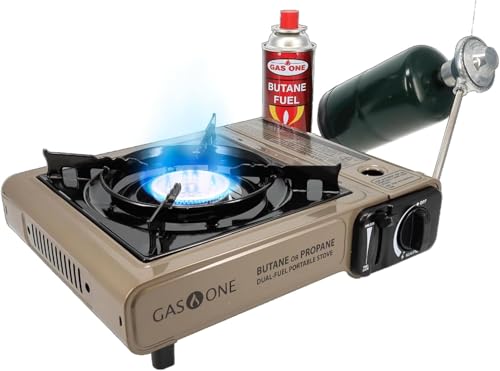
These are the most compact and lightweight options. They typically screw directly onto a small propane canister or connect via a short hose. They are perfect for solo campers or backpackers who need a minimalist setup for boiling water and preparing simple meals like rehydrated food or soup. They are incredibly easy to pack and are an excellent choice for those who prioritize portability above all else.
2. Two-Burner Stoves
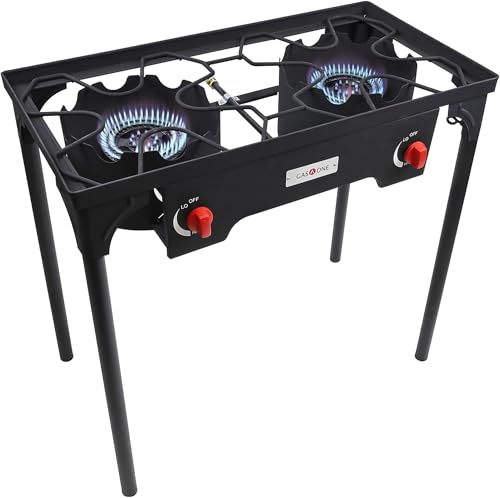
This is the classic "car camping" stove. A two-burner propane stove offers a much more stable cooking platform and allows you to cook multiple dishes simultaneously. These stoves are larger and heavier, making them better suited for car camping, RV trips, or family outings where you have the space. They often feature wind shields and a drip tray, making them more robust for a full weekend of cooking. If you're planning a trip with a larger group, consider how many people you need to feed. A tents for 5 people might house your group, but a two-burner stove will be your group's kitchen.
3. High-Output Burners
Sometimes called "power burners" or "wok burners," these are designed for high-heat cooking. They are ideal for boiling large pots of water quickly, stir-frying, or using a wok or large skillet. These burners often have a higher BTU output and a wider flame pattern. They are a favorite among groups who enjoy gourmet camp cooking. While they consume more fuel, the trade-off is a significant increase in cooking power and speed.
Key Features to Consider When Buying
When evaluating a portable propane burner, pay close attention to these critical features:
- BTU Output: This measures the burner's heat output. A higher BTU rating means faster heating and more power. Entry-level burners may have lower output, while premium high-output models are designed for rapid boiling and intense searing. For general camp cooking, a mid-range BTU output is often sufficient.
- Ignition System: Most modern stoves feature a push-button piezo igniter, which is very convenient. However, it's always wise to carry a lighter or matches as a backup, as igniters can fail, especially in wet conditions.
- Wind Resistance: A windy day can ruin your cooking plans by blowing out the flame. Look for a burner with built-in wind shields or a design that protects the flame. Some models have a recessed burner head, which helps shield it from the wind.
- Stability: A stable base is crucial for safety, especially when handling hot pots and pans. Look for stoves with wide, sturdy legs or a low center of gravity. A wobbly stove is a recipe for a spilled dinner or a dangerous accident.
- Fuel Compatibility: Ensure the burner is designed for the type of propane canister you plan to use. Most are compatible with standard disposable propane cylinders, but some are designed for larger refillable tanks. Adapters are often available, but it's best to check compatibility beforehand.
- Build Quality: The materials used will affect the stove's durability and longevity. Stainless steel is common and offers a good balance of durability and weight. Cast iron burners are very durable but heavy. A high-end model will often feature better construction and more robust components than an entry-level or budget-friendly option.
Thinking about your entire camp setup is key. Just as you carefully choose your shelter, like an instant tents for camping, you should choose a cooking system that fits your style. A compact burner might be perfect for a quick trip with a pop up tent bed, while a larger two-burner stove is a better fit for a basecamp setup.
Safety and Maintenance Tips
Using a propane burner is very safe when you follow some basic guidelines. Always operate your stove in a well-ventilated area. Never use it inside a tent, RV, or any enclosed space due to the risk of carbon monoxide buildup. Before each trip, check the connections and hoses for leaks. A simple soapy water solution can be applied to connections; if bubbles form, you have a leak. Always allow the stove to cool completely before packing it away. When it comes to fire safety, being prepared is essential. Knowing how to properly extinguish a campfire is a fundamental skill, and knowing your stove's shut-off valve is just as important. For a comprehensive guide on fire safety, you can review our campfire safety rules.
Regular cleaning is also important. Wipe down the stove after each use to prevent food buildup and grease accumulation, which can be a fire hazard. Store your propane canisters in a cool, dry place, and always transport them in an upright position. For any outdoor emergency, it's wise to have a well-stocked camping first aid kit on hand.
The Final Verdict: Cooking with Confidence
A portable gas burner propane system is more than just a piece of gear; it's a gateway to better outdoor meals and more enjoyable camping experiences. By understanding the different types, key features, and safety practices, you can choose a burner that will serve you reliably for years. Whether you're a minimalist backpacker or a gourmet camp chef, the convenience and control of a propane burner are hard to beat. So, pack your stove, plan your menu, and get ready to enjoy the great outdoors with a hot, delicious meal waiting for you at the end of the day.