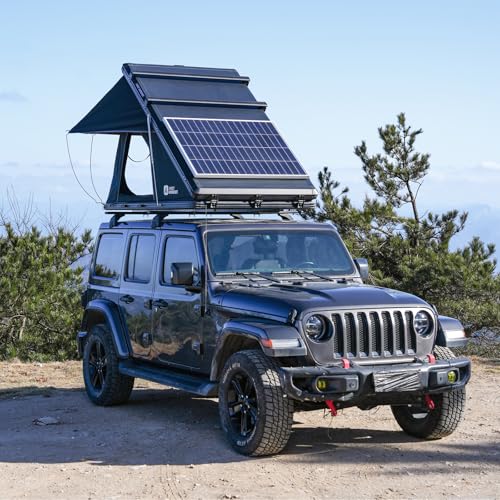
Pop Up Tent for Top of SUV: The Complete Guide
Everything you need to know about choosing, mounting, and using a roof top tent on your SUV for unforgettable outdoor adventures.
VIEW RECOMMENDED MODELSA pop up tent for the top of your SUV transforms your vehicle into a mobile basecamp, offering elevated sleeping quarters that keep you off the ground and away from moisture, insects, and uneven terrain. Unlike traditional ground tents, a roof top tent (RTT) mounts securely to your SUV's roof rack, deploying in minutes with a simple fold-out mechanism. This guide will walk you through everything you need to know about selecting the right model, understanding mounting requirements, and maximizing your camping experience.
Why Choose a Roof Top Tent for Your SUV? SUV owners love roof top tents because they free up interior cargo space, provide better views, and offer superior comfort compared to sleeping on the ground. They are particularly popular among overlanders, road trippers, and families who want a quick and reliable shelter solution.
What Is a Pop Up Tent for Top of SUV?
A pop up tent for the top of an SUV is a folding or clamshell-style shelter designed to be mounted on a vehicle's roof rack. When not in use, it folds into a compact, aerodynamic package that sits low on the roof. At camp, you unlatch the cover, unfold the tent, and it pops up into a spacious sleeping area—often in under five minutes. Most models include a built-in mattress, telescoping ladder, and weatherproof canopy.
These tents are sometimes called roof top tents, car tents, or SUV tents. They differ from ground tents in that they are permanently mounted (or easily removable) and elevate you above the ground. For those who prefer a tent that goes on top of a car or a tent that goes on top of a truck, similar principles apply—though mounting hardware and tent dimensions may vary.
Types of Pop Up Tents for SUVs
There are two main categories of pop up roof top tents: soft shell and hard shell. Each has distinct advantages depending on your camping style and vehicle setup.
Soft Shell Pop Up Tents
Soft shell tents are made from heavy-duty canvas or polyester fabric and fold out like a book. They typically use a telescoping ladder as part of the structure. These tents are generally more affordable and offer more interior space for the same footprint. However, they may take slightly longer to set up and are less aerodynamic when packed. Many soft shell models are available as a pop up tent for the top of a truck or SUV, with universal mounting channels.
Hard Shell Pop Up Tents
Hard shell tents feature a rigid ABS or fiberglass clamshell that opens via gas struts. They are exceptionally quick to deploy—often under a minute—and are more aerodynamic and durable. They tend to be heavier and more expensive than soft shell models, but their convenience and all-weather performance make them a favorite among frequent campers. If you are looking for the easiest roof top tent to set up, a hard shell pop up tent is often the best choice.
Key Features to Consider
When shopping for a pop up tent for your SUV, pay attention to these critical features:
- Sleeping Capacity: Most roof top tents sleep 2 to 4 people. Choose based on your family size and whether you want extra room for gear.
- Season Rating: Three-season tents handle spring through fall. Four-season tents are built for winter camping and high winds. If you plan to camp in cold weather, look for a 4-season tent with stove jack compatibility.
- Mattress Included: Nearly all RTTs include a high-density foam mattress. Check the thickness—3 inches or more is ideal for comfortable sleep.
- Ladder: A telescoping aluminum ladder is standard. Ensure it extends to the height of your SUV's roof plus a few inches.
- Weatherproofing: Look for PU-coated fabrics, taped seams, and rainflys. A pop up tent for cold and rainy weather should have excellent ventilation to prevent condensation.
- Mounting System: Most tents use universal mounting channels that fit crossbars. Verify that your SUV's roof rack can support the tent's weight plus occupants.
How to Choose the Right Pop Up Tent for Your SUV
Selecting the perfect roof top tent involves balancing your vehicle's capabilities, your camping habits, and your comfort needs. Here is a step-by-step approach:
1. Check Your SUV's Roof Capacity
Every vehicle has a dynamic roof load limit (the weight it can carry while driving) and a static load limit (the weight it can support when parked). Most SUVs have a dynamic limit of 150–200 lbs, which is usually sufficient for a roof top tent. However, always consult your owner's manual. If your SUV has a low limit, you may need to reinforce the roof rack or choose a lightweight model.
2. Measure Your Roof Rack
Roof top tents mount to crossbars. Measure the distance between your crossbars and ensure they are rated for the tent's weight. Many tents include universal mounting brackets, but some require specific bar widths. If you have a truck, you might consider a tent that fits in the bed of your truck or a tent that goes on the back of a truck as an alternative.
3. Decide on Soft Shell vs. Hard Shell
If you prioritize quick setup and aerodynamic efficiency, go with a hard shell. If you want more space and a lower entry point, a soft shell is a great choice. For those who camp in varied conditions, a pop up tent for the top of a truck with a durable soft shell might be more versatile.
4. Consider Your Camping Style
Are you a weekend warrior or a long-distance overlander? Do you camp in extreme weather? Your answers will guide you toward the right season rating and materials. If you often camp in rainy conditions, look for a tent with a large rainfly and sealed seams. You might also want to read about camping in the rain in a tent for additional tips.
5. Plan for Storage and Transport
When not in use, your roof top tent stays on your SUV or is stored in a garage. Hard shell tents are easier to store due to their compact shape. Soft shell tents fold into a rectangular cover. Consider whether you have space to store the tent when not traveling.
Installation and Mounting Tips
Installing a pop up tent on your SUV is a straightforward process, but it requires attention to safety. Follow these steps:
- Gather Your Tools: You will need a wrench or socket set, a torque wrench, and possibly a helper to lift the tent onto the roof.
- Position the Tent: Place the tent on your crossbars, centering it side to side. For SUVs, the tent should sit slightly behind the front seats to minimize wind noise.
- Attach Mounting Brackets: Most tents come with U-bolts or channel nuts that secure to the crossbars. Tighten them evenly to the manufacturer's torque specifications.
- Test the Setup: Before heading out, open and close the tent several times to ensure it operates smoothly. Check that the ladder reaches the ground securely.
- Check Local Laws: Some regions have height restrictions or require additional mirrors. Always verify regulations before traveling.
If you are also considering a tent for the back of a SUV as a secondary option, note that those attach to the rear hatch and provide extra living space but are not a substitute for a roof top tent.
Benefits of a Roof Top Tent for SUV Camping
Why do so many campers choose a pop up tent for the top of their SUV? Here are the top benefits:
- Comfort: Sleeping off the ground means you avoid rocks, roots, and puddles. The included mattress is often more comfortable than a sleeping pad.
- Quick Setup: Hard shell models can be deployed in under a minute, while soft shell models take just a few minutes. This is ideal for travelers who change campsites frequently.
- Space Savings: Your SUV's interior remains free for gear, food, and passengers.
- Safety: Being elevated provides protection from ground-level wildlife and reduces the risk of flooding in heavy rain.
- Views: Wake up to panoramic views that ground campers miss.
- Durability: Quality roof top tents are built to withstand years of use, making them a worthwhile investment for frequent campers.
Maintenance and Care
To ensure your pop up tent lasts for many seasons, follow these maintenance practices:
- Clean the tent fabric with mild soap and water after each trip. Avoid harsh chemicals.
- Allow the tent to dry completely before packing it away to prevent mold and mildew.
- Lubricate zippers with silicone spray or beeswax.
- Inspect mounting hardware regularly and re-tighten as needed.
- Store the tent in a cool, dry place when not in use.
If you camp in winter, read our guide on keeping a tent warm in cold weather for additional tips on insulation and condensation control.
Common Mistakes to Avoid
New roof top tent owners often make a few common mistakes. Avoid these pitfalls:
- Overloading the Roof: Exceeding your SUV's dynamic weight limit can damage your vehicle and void warranties.
- Not Using a Ladder Mat: The ladder can scratch your SUV's paint. Use a soft mat or place a cloth under the ladder feet.
- Ignoring Condensation: Ventilation is key. On cold nights, leave a window cracked to reduce moisture buildup.
- Skipping a Test Run: Always set up your tent at home before your first trip to familiarize yourself with the process.
- Forgetting About Wind: In high winds, ensure all guy lines are secured and the tent is properly anchored. If you camp in exposed areas, consider a pop up tent for cold and rainy weather with reinforced poles.
Frequently Asked Questions
Can I put a pop up tent on any SUV?
Most SUVs with a factory roof rack or aftermarket crossbars can accommodate a roof top tent, provided the dynamic weight limit is sufficient. Always check your vehicle's manual and the tent's weight.
How long does it take to set up a pop up tent?
Hard shell tents typically take 30 seconds to 2 minutes. Soft shell tents take 3 to 5 minutes. Practice makes perfect, so do a few dry runs before your trip.
Are roof top tents safe in strong winds?
Yes, when properly installed and with guy lines secured. Hard shell tents are generally more aerodynamic and stable in wind. Avoid camping in exposed areas during severe weather warnings.
Can I leave the tent on my SUV all the time?
You can, but it will affect fuel economy and may be subject to theft. Many campers remove the tent between trips for better gas mileage and security.
Do I need a special ladder for my SUV?
Most roof top tents include a telescoping ladder that adjusts to various vehicle heights. If your SUV is lifted, you may need an extended ladder.
Final Thoughts
A pop up tent for the top of your SUV is a game-changer for outdoor enthusiasts who value comfort, convenience, and adventure. By understanding the different types, key features, and installation requirements, you can choose a model that perfectly suits your vehicle and camping style. Whether you opt for a quick-deploying hard shell or a spacious soft shell, a roof top tent will elevate your camping experiences for years to come.
Remember to always prioritize safety, maintain your gear, and respect the environment. With the right setup, your SUV becomes a comfortable mobile basecamp ready for any adventure.