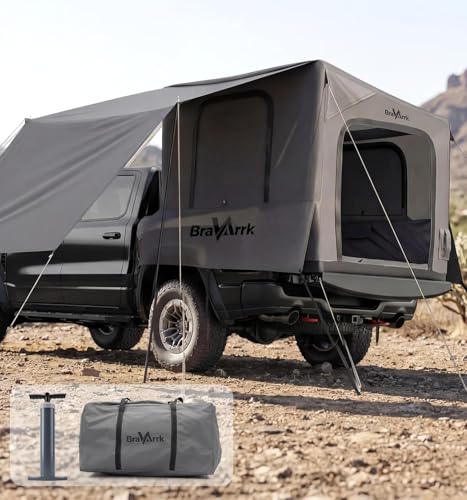
Lightweight Pop Up Truck Bed Camper: The Ultimate Buyer's Guide
Discover how a lightweight pop up truck bed camper can transform your pickup into a comfortable, efficient, and adventure-ready mobile base camp. We cover everything you need to know before you buy.
Explore FeaturesWhy Choose a Lightweight Pop Up Truck Bed Camper?
For outdoor enthusiasts who own a pickup truck, a lightweight pop up truck bed camper represents one of the most versatile and practical camping solutions available. Unlike traditional hard-sided truck campers, pop up models feature a telescoping roof that collapses during transit and raises at camp, offering the perfect balance between comfort, fuel efficiency, and driving dynamics.
These campers are ideal for those who want to explore remote destinations without being limited by a bulky, heavy rig. Because they are significantly lighter, they place less strain on your truck's suspension, brakes, and drivetrain, making them suitable for a wider range of pickup trucks, including many half-ton models. If you are still exploring your options, you may also want to look at pickup truck camper shells for sale or consider truck campers for short bed pickups to compare different styles.
Whether you are a weekend warrior, a retiree traveling the country, or a family looking for memorable outdoor adventures, a pop up camper can deliver an exceptional experience. For those who prefer a more traditional trailering setup, a pop up camper trailer with bathroom might be another excellent option to consider.
Key Features of Lightweight Pop Up Truck Bed Campers
Understanding the core features of these campers will help you make an informed decision. Here are the most important aspects to evaluate:
Telescoping Roof
The hallmark of a pop up camper is its collapsible roof. This design keeps the camper's center of gravity low during travel and allows for standing headroom when deployed. The mechanism is typically operated manually or with electric actuators, depending on the model tier.
Lightweight Construction
Manufacturers use materials like aluminum frames, fiberglass, and composite panels to minimize weight. Entry-level models may use wood framing, while premium models often feature fully welded aluminum or molded fiberglass for superior durability and weight savings.
Compact Footprint
Pop up campers are designed to fit standard truck beds, including short beds. Their compact size means they don't extend far beyond the truck's profile, making them easier to maneuver on narrow trails and in tight campsites.
Four-Season Capability
Many modern pop up campers offer four-season packages with insulated walls, heated tanks, and thermal liners. This makes them suitable for winter camping and extended shoulder-season trips. Pair one with a winter camping tent with wood stove for a truly warm base camp.
Integrated Amenities
Depending on the tier, campers may include a two-burner stove, sink, refrigerator, furnace, and even a wet bath. Mid-range and high-end models often feature solar pre-wiring and ample storage for extended off-grid adventures.
Easy Setup
Setting up a pop up camper takes only a few minutes. The roof raises, latches secure, and you are ready to camp. This simplicity is a major advantage over more complex hard-sided campers or travel trailers.
Benefits of Choosing a Pop Up Over a Hard-Sided Camper
While hard-sided truck campers offer excellent insulation and storage, lightweight pop up models provide distinct advantages that make them the preferred choice for many campers:
- Superior Fuel Efficiency: The collapsed profile reduces wind resistance, resulting in better gas mileage compared to tall, hard-sided campers.
- Easier Loading and Unloading: The lighter weight means you can often load and unload the camper with standard jacks and without needing a heavy-duty dually truck.
- Better Driving Dynamics: A lower center of gravity improves handling, cornering, and braking, making your truck feel more stable on the road.
- Increased Versatility: You can remove the camper and use your truck as a standard pickup when not camping, which is not always practical with heavier hard-sided models.
- Access to More Campsites: The compact size allows you to navigate narrow forest roads and fit into campsites that larger RVs cannot access. You can also combine your setup with a tent for the back of your truck for extra sleeping space.
For those who enjoy cooking outdoors, pairing your camper with an outdoor kitchen with stove and sink can further enhance your campsite experience. And if you need to accommodate more guests, a large camping tent with screen room makes an excellent companion shelter.
What to Look For in a Lightweight Pop Up Truck Bed Camper
Before making a purchase, evaluate these critical factors to ensure you choose a camper that matches your truck and camping style:
1. Weight and Payload Capacity
This is the most important consideration. Check your truck's payload rating (found on the driver's side door jamb) and compare it to the camper's wet weight (including water, propane, and gear). Exceeding your payload can lead to unsafe handling and premature wear. Lightweight models are typically in the entry-level to mid-range weight classes, making them suitable for half-ton trucks.
2. Truck Bed Size Compatibility
Pop up campers are available for short beds (5.5–6.5 feet) and long beds (8 feet). Ensure the camper is designed for your specific bed length. Many manufacturers offer models tailored for short bed pickups. If you have a short bed, you may also want to explore campers for short bed pickup trucks to see the full range of options.
3. Construction Quality
Look for campers with aluminum or composite frames, which resist rot and are lighter than wood. High-end models often feature molded fiberglass or vacuum-bonded walls for maximum durability and insulation. Entry-level models may use wood framing, which is heavier and more susceptible to moisture damage over time.
4. Amenities and Layout
Determine what amenities are essential for your trips. Do you need a bathroom, shower, or a dedicated kitchen? Pop up campers range from basic shell models to fully self-contained units with all the comforts of home. If a bathroom is a priority, you might also consider a truck camper with bathroom for sale or a pop up camper trailer with bathroom as alternatives.
5. Four-Season Capability
If you plan to camp in cold weather, look for a camper with a four-season package. This typically includes insulated walls and ceiling, heated holding tanks, and thermal pane windows. For extreme conditions, consider supplementing with a portable camping shower with heater or a battery operated heater for camping.
6. Setup and Takedown
Most pop up campers are designed for quick setup. However, some models have manual roof lifts while others offer electric actuators. Consider your physical abilities and preferences. A camper that is easy to set up will encourage you to camp more often.
Comparing Lightweight Pop Up Campers by Tier
To help you understand the market, here is a comparison of typical features you can expect at different quality tiers. Remember, these are general guidelines and specific models may vary.
| Feature | Entry-Level | Mid-Range | Premium |
|---|---|---|---|
| Construction | Wood frame, aluminum skin | Aluminum frame, fiberglass panels | Fully welded aluminum or molded fiberglass |
| Weight | Lightweight, suitable for half-ton trucks | Moderate weight, may require suspension upgrades | Optimized weight with premium materials |
| Insulation | Basic, three-season | Good, optional four-season package | Excellent, true four-season capability |
| Amenities | Basic stove, sink, no fridge | Two-burner stove, fridge, furnace | Full kitchen, wet bath, solar, lithium-ready |
| Roof Mechanism | Manual lift | Assisted manual or electric | Electric actuators with remote |
| Durability | Good for occasional use | Great for regular use | Excellent for full-time or extreme use |
When choosing, consider how often you camp and in what conditions. A mid-range camper often provides the best balance of features and value for most campers. For those who camp in extreme cold, a premium four-season model is worth the investment. You can also explore slide-in truck campers for sale used to find a higher-tier model at a more accessible price point.
Tips for Setting Up and Using Your Pop Up Truck Bed Camper
Once you have your camper, proper setup and use will ensure a safe and enjoyable experience:
- Practice at Home: Before your first trip, practice loading, unloading, and setting up the camper in your driveway. Familiarize yourself with all systems.
- Secure Everything: Ensure the camper is properly tied down to your truck's bed using quality tie-downs. Check them regularly during travel.
- Level the Camper: Use leveling blocks to ensure the camper is level before raising the roof. This prevents stress on the mechanism and ensures appliances work correctly.
- Mind the Roof: Always check for low branches and obstructions before raising the roof. Never drive with the roof up.
- Ventilation: Keep vents cracked open to reduce condensation, especially when cooking or sleeping. In cold weather, a portable heated blanket for camping can keep you warm without adding moisture.
- Winterize: If you camp in freezing temperatures, ensure your water systems are winterized or heated. Use a heating and cooling mattress topper for added comfort.
- Maintain Your Truck: Consider adding air bags or helper springs to your truck's suspension to handle the camper's weight and improve stability. This is especially important for short bed trucks which may be more sensitive to payload.
For more tips on essential gear, check out our guide on camping gear for first-time campers and everything you need for car camping.
Frequently Asked Questions
What is a lightweight pop up truck bed camper?
A lightweight pop up truck bed camper is a slide-in unit that mounts onto a pickup truck bed. It features a telescoping roof that raises when set up, providing standing headroom while keeping the center of gravity low and the overall weight minimal for easier driving and better fuel efficiency.
What are the benefits of a pop up truck camper over a hard-sided one?
Pop up truck campers are significantly lighter, offer better fuel economy, are easier to load and unload, and have a lower profile for improved aerodynamics and visibility. They are ideal for those who want the convenience of a truck camper without the bulk of a hard-sided model.
Can I use a lightweight pop up camper on a short bed truck?
Yes, many manufacturers produce lightweight pop up campers specifically designed for short bed trucks. It is crucial to check the camper's dimensions and weight against your truck's payload capacity and bed length to ensure a safe fit. Explore truck campers for short bed pickups for more options.
Do I need special suspension for a pop up truck camper?
While some lightweight models are designed to work with stock suspensions, adding air bags, helper springs, or upgraded shocks is highly recommended to handle the extra weight, improve stability, and prevent sagging, ensuring a safer and more comfortable ride.
Are pop up truck campers suitable for winter camping?
Many modern pop up campers offer four-season packages with insulation and heated tanks, making them suitable for winter use. However, you should always check the specific model's rating. For extreme cold, consider supplementing with a winter camping heater or a hot tent camping setup.
Ready to hit the road with your own lightweight pop up truck bed camper? Explore our recommended gear below to complete your setup.
View Recommended Gear