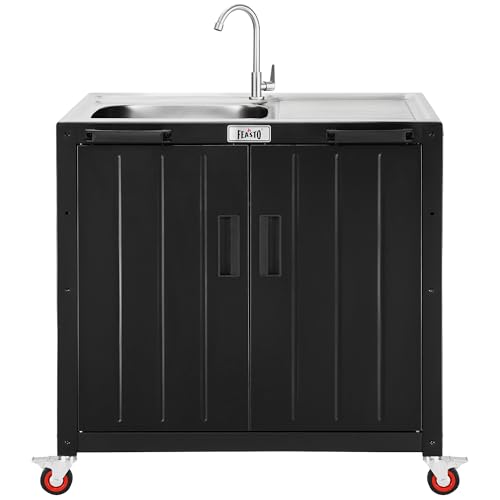
Outdoor Kitchen with Stove and Sink: Complete Buyer's Guide
Everything you need to know about choosing, using, and maximizing a portable outdoor kitchen with a built-in stove and sink for camping, tailgating, and backyard cooking.
Why an outdoor kitchen with stove and sink matters: A dedicated cooking station transforms camp cooking from a balancing act into a streamlined, hygienic, and enjoyable experience. Instead of juggling a stove on a picnic table and washing dishes in a distant water source, an integrated unit keeps everything within arm's reach — so you spend less time managing gear and more time enjoying the outdoors.
What Is an Outdoor Kitchen with Stove and Sink?
An outdoor kitchen with stove and sink is a self-contained cooking and cleaning station designed for use outside the home. These units typically combine a cooking surface — most often a propane-powered two-burner stove or a grill — with a wash basin, prep area, and storage shelving. Some are freestanding folding tables, while others are more elaborate modular systems with wind screens, side tables, and integrated lighting.
For campers, the appeal is straightforward: you get a single, organized hub for all cooking and cleanup tasks. For tailgaters and backyard entertainers, these units offer the convenience of a full kitchen without permanently installing one. The best models fold flat for transport, set up in minutes, and can handle everything from boiling water for coffee to preparing a full family dinner.
If you are new to camp cooking, it helps to start with a broader understanding of camping gear for first-time campers, then narrow your focus to a kitchen unit that matches your cooking ambitions. Many campers also pair their outdoor kitchen with a dedicated propane burner for outdoor cooking when they need extra heat or a larger cooking surface.
Key Features to Evaluate Before Buying
Not all outdoor kitchens are built the same. The features that matter most depend on how you plan to use the unit — weekend car camping, extended road trips, or occasional backyard use. Below are the core components worth scrutinizing.
Cooking Surface
Most units accommodate a standard two-burner propane stove. Look for heat-resistant surfaces and enough clearance to avoid melting or warping the table below.
Sink and Water System
Integrated sinks range from simple basins to plumbed systems with a hand pump or gravity-fed faucet. Consider whether you need running water or just a washbasin.
Prep and Storage Space
Side tables, lower shelves, and hanging hooks keep utensils, spices, and cookware organized and within reach. More prep space generally means a larger packed footprint.
Wind Protection
Wind screens or side panels are essential for maintaining a steady flame and preventing heat loss. This feature is particularly valuable in exposed campsites.
Portability and Weight
Folding aluminum models are lightweight and easy to transport. Larger units with more features trade portability for capability. Match the unit to your vehicle and setup routine.
Durability and Materials
Powder-coated steel, aluminum, and heavy-duty plastics are common. Stainless steel components resist rust and heat better but add weight and cost.
Types of Outdoor Kitchen Setups
Outdoor kitchens fall into a few broad categories, each suited to different camping styles and budgets. Understanding these tiers helps you avoid overbuying or underbuying for your needs.
Entry-Level Folding Tables with Stove Compatibility
These are the most affordable and portable options. Typically a folding aluminum or steel table with a heat-resistant top and a lower shelf, they are designed to hold a separate camping stove. Many include a small washbasin that can be removed for cleaning. They are ideal for solo campers, couples, and anyone who prioritizes a minimal pack size. The trade-off is less stability and fewer integrated features.
Mid-Range Integrated Camp Kitchens
Mid-range units step up in build quality and convenience. They often include a built-in sink with a hand pump or gravity-fed water system, a dedicated stove platform with wind screens, and multiple storage compartments. Some models feature a collapsible design that packs into a wheeled carry bag. These are well-suited to families and frequent car campers who want a reliable, organized cooking station without the bulk of a full modular system.
Premium and Modular Outdoor Kitchens
At the high end, you will find modular systems that can be expanded with additional tables, shelves, and accessories. These units often use stainless steel surfaces, heavy-duty hinges, and precision manufacturing. They may include integrated lighting, leveling feet, and advanced water systems. Premium setups are best for extended trips, large groups, and campers who treat outdoor cooking as a serious hobby. They are heavier and more expensive, but they deliver a near-residential cooking experience.
For campers who want to prepare meals ahead of time, pairing an outdoor kitchen with easy camping meals to prepare ahead can dramatically simplify your trip. And if you are cooking for a crowd, consider camping food ideas for large groups to plan portions and menus effectively.
Comparison: Outdoor Kitchen Setups at a Glance
The table below summarizes how the three main tiers compare across the features that matter most. Use this as a starting point for your own evaluation.
| Feature | Entry-Level | Mid-Range | Premium / Modular |
|---|---|---|---|
| Portability | Excellent — folds flat, lightweight | Good — collapses into carry bag | Moderate — heavier, multiple pieces |
| Sink System | Removable basin, no plumbing | Integrated sink with hand pump or gravity feed | Plumbed system with faucet and drain |
| Wind Protection | None or minimal | Fold-out wind screens | Full side panels and adjustable screens |
| Storage | One lower shelf | Multiple shelves and hanging hooks | Modular compartments and drawers |
| Stability | Adequate on flat ground | Good — wider stance and locking legs | Excellent — leveling feet and rigid frame |
| Best For | Solo campers, minimalists | Families, frequent car campers | Large groups, extended trips, enthusiasts |
| Setup Time | Under 2 minutes | 3–5 minutes | 5–10 minutes |
Pros and Cons of Integrated Outdoor Kitchens
Like any piece of gear, an outdoor kitchen with stove and sink involves trade-offs. Here is an honest look at what you gain and what you give up.
✓ Advantages
- Consolidates cooking, prep, and cleanup into one station
- Improves hygiene with a dedicated wash area
- Reduces the risk of food contamination from dirty surfaces
- Keeps gear organized and accessible
- Wind screens improve stove efficiency
- Can be used for tailgating, backyard events, and emergencies
✗ Disadvantages
- Takes up more vehicle space than a simple stove
- Heavier than standalone tables
- Requires setup and breakdown time
- Higher-tier models represent a significant investment
- Not practical for backpacking or ultralight camping
- Water systems need regular cleaning and maintenance
How to Set Up Your Outdoor Kitchen for Efficiency
A well-organized outdoor kitchen follows the same logic as a residential kitchen: work zones. Arrange your station so that raw ingredients, cooking tools, and cleanup areas flow logically from one to the next.
- Position the unit on level ground. Stability is critical when you are working with hot pans and boiling water. Use leveling feet if your unit has them, and avoid placing the kitchen on a slope.
- Set up wind protection before lighting the stove. Wind screens should be deployed on the side facing the prevailing wind. This keeps the flame steady and reduces fuel consumption.
- Organize your prep area. Place cutting boards, knives, and ingredients on one side of the stove. Keep spices and oils within easy reach but away from direct heat.
- Position the sink for efficient cleanup. The sink should be downstream of the cooking area — ideally on the opposite side from your prep station. This prevents cross-contamination between raw food and clean dishes.
- Use lower shelves for heavy items. Propane canisters, water containers, and cookware belong on the bottom shelf to keep the center of gravity low.
- Keep a trash bag and paper towels handy. A small hook or side pocket for trash and towels reduces clutter and keeps your workspace clean.
If you are cooking over an open fire as well, review outdoor open fire cooking equipment and always follow campfire safety rules to prevent accidents. For trips where you need to prepare meals without a fridge, food to take camping without a fridge offers practical guidance on shelf-stable ingredients.
Buyer's Checklist: What to Look For
Before you commit to a specific model, run through this checklist to ensure you are covering all the essentials.
Outdoor Kitchen Buyer's Checklist
- Heat-resistant cooking surface
- Compatible with your existing stove
- Integrated or removable sink basin
- Wind screens or side panels
- Stable, locking legs
- Ample prep space
- Lower storage shelf
- Hanging hooks or side pockets
- Easy-clean materials
- Compact folded dimensions
- Carry bag included
- Weight appropriate for your vehicle
- Water system easy to fill and drain
- Replacement parts available
Maintenance and Care Tips
An outdoor kitchen is an investment, and a little maintenance goes a long way toward extending its lifespan.
- Clean after every trip. Food residue and grease attract pests and can corrode surfaces over time. Wipe down all surfaces with warm soapy water and dry thoroughly before storing.
- Empty and dry the sink system. Standing water in hoses or basins can grow mold and mildew. Drain all water and leave the system open to air dry before packing.
- Inspect hinges and locking mechanisms. Tighten loose screws and apply a small amount of lubricant to folding joints to keep them operating smoothly.
- Store in a dry place. Even powder-coated and stainless steel components can rust if stored damp. Keep your unit in a garage, shed, or climate-controlled space between trips.
- Check propane connections. Before each trip, inspect hoses and regulators for cracks or wear. A leaky connection is a serious safety hazard.
Safety should always come first. Review first aid for camping and common camping injuries so you are prepared for minor burns, cuts, or spills. If you are camping in bear country, follow food storage rules and consider how to store food from bears to keep your kitchen area secure.
Frequently Asked Questions
An outdoor kitchen with stove and sink is a portable or built-in cooking station that combines a cooking surface — such as a propane stove or grill — with a wash basin, providing a complete food preparation and cleanup solution for camping, tailgating, or backyard use. These units typically fold for transport and may include additional features like wind screens, storage shelves, and prep surfaces.
For car campers and families, yes. A portable outdoor kitchen significantly improves organization, hygiene, and cooking efficiency. It keeps your cooking gear consolidated and provides a dedicated workspace away from your sleeping area. However, for backpackers and ultralight campers, the weight and bulk are usually not justified — a simple stove and a small pot are more practical.
Start by assessing your cooking style, group size, and transport capacity. Entry-level folding tables with a stove are ideal for solo campers and couples. Mid-range units with integrated sinks and wind protection suit families and frequent car campers. Premium modular systems are best for large groups, extended trips, and campers who want a near-residential cooking experience. Also consider how much space you have in your vehicle and how much time you are willing to spend on setup and breakdown.
Most portable outdoor kitchen tables are designed to accommodate standard two-burner camping stoves. However, you should always check the table's weight capacity and heat resistance before placing a stove on the surface. Some tables include a dedicated stove platform or heat shield. If your table does not have a heat-resistant surface, use a separate heat pad or trivet to protect it.
Bring a small bottle of biodegradable soap, a sponge, and a dedicated drying towel. Wipe down surfaces after each meal, and wash dishes immediately after eating to prevent food from drying and becoming difficult to remove. Use the sink basin for washing and a separate container for rinsing if your unit does not have a dual-basin system. Always dispose of greywater according to local regulations — never dump it directly into lakes or streams.
Final Thoughts: Is an Outdoor Kitchen Right for You?
An outdoor kitchen with stove and sink is more than a luxury — for many campers, it is a practical upgrade that makes cooking outdoors cleaner, safer, and more enjoyable. The key is matching the unit to your camping style. If you drive to your campsite and cook full meals, a mid-range or premium unit will quickly become indispensable. If you are a minimalist who prefers to travel light, a simple folding table and a reliable stove may be all you need.
Whichever path you choose, focus on organization and safety. A well-planned cooking station reduces stress, minimizes cleanup, and lets you focus on what matters most: enjoying the outdoors with good food and good company.
For more guidance on building out your camp kitchen, explore our related guides on overnight camping trip packing list, things you need when you go camping, and what to bring on a camping trip.