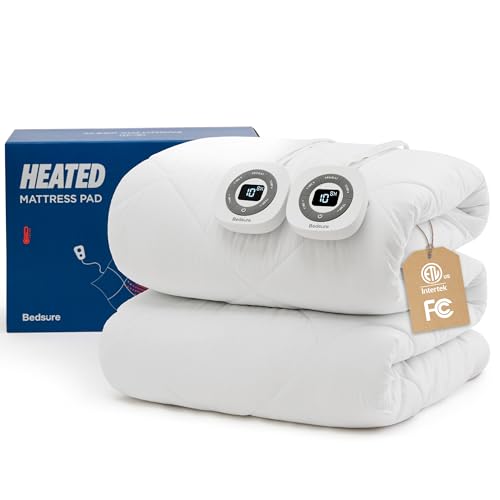
Heating and Cooling Mattress Topper: Complete Guide for Camping
Discover how a temperature-regulating mattress topper can transform your camping sleep experience, keeping you comfortable in any season.
VIEW RECOMMENDED TOPPERSSleeping outdoors exposes you to temperature swings that can disrupt rest and leave you exhausted. A heating and cooling mattress topper solves this problem by actively regulating the microclimate beneath you. Whether you're camping in the desert heat or a frosty mountain campsite, the right topper ensures you stay comfortable all night.
This guide covers everything you need to know about heating and cooling mattress toppers for camping. We'll explain how they work, what features matter, and how to choose the best one for your needs. By the end, you'll be ready to make an informed purchase and enjoy better sleep outdoors.
Quick Tip: If you're new to camping, start with our camping gear for first-time campers guide to build a solid foundation before investing in specialized sleep accessories.
What Is a Heating and Cooling Mattress Topper?
A heating and cooling mattress topper is a layer placed on top of your sleeping surface—whether that's an air mattress, camping cot, or sleeping pad. Unlike standard mattress toppers that only add cushioning, these toppers include technology to manage temperature.
Heating elements may use low-voltage electricity, battery power, or even chemical reactions to generate warmth. Cooling functions often rely on breathable fabrics, phase change materials (PCMs), or active airflow systems. Some high-end models combine both heating and cooling in a single unit.
How Heating Works
Heated toppers typically use resistive wires or carbon fiber elements powered by a battery, 12V car outlet, or portable power station. Many offer adjustable heat settings, so you can dial in the perfect warmth. For cold-weather camping, pairing a heated topper with a 0-degree flannel lined sleeping bag creates a cozy sleep system.
How Cooling Works
Cooling toppers use several methods:
- Breathable materials: Mesh, bamboo, or specialized foams allow heat and moisture to escape.
- Phase change materials: These absorb and release heat as they change state, maintaining a stable temperature.
- Active ventilation: Built-in fans or air channels circulate air to dissipate heat.
- Gel-infused layers: Cooling gel draws heat away from the body, similar to memory foam mattress topper with cooling gel.
Why Use a Heating and Cooling Mattress Topper for Camping?
Camping mattresses and pads are designed for portability, not necessarily comfort or temperature regulation. Adding a topper provides several benefits:
- Improved sleep quality: Staying at a comfortable temperature helps you fall asleep faster and stay asleep longer.
- Versatility: A single topper can handle both summer and winter camping, reducing the gear you need to pack.
- Enhanced comfort: Many toppers add cushioning, which is especially helpful if you use a thin sleeping pad or a camping air mattress with foot pump.
- Protection: A topper can shield your mattress from dirt, moisture, and wear.
If you struggle with back pain or hip pressure, a topper designed for support can make a big difference. Check out our recommendations for mattress topper for side sleepers with hip pain.
Key Features to Consider
Not all heating and cooling mattress toppers are created equal. Here's what to evaluate before buying:
| Feature | Why It Matters |
|---|---|
| Size & Fit | Ensure the topper matches your sleeping pad or air mattress dimensions (twin, full, queen, etc.). A poor fit can cause discomfort and reduce effectiveness. |
| Thickness | Thicker toppers (2–4 inches) offer more cushioning but take up more space. Thinner options (1–2 inches) are more packable. |
| Material | Memory foam, latex, and gel-infused foams provide pressure relief. Breathable fabrics like bamboo or cotton enhance cooling. |
| Temperature Control | Look for adjustable heat settings, cooling gel, or phase change materials. Some toppers offer dual-zone control for couples. |
| Power Source | Battery-operated and 12V options are ideal for camping. Consider compatibility with your portable power stations. |
| Portability | Weight and packed size matter for backpacking. Roll-up or compressible designs are best for mobile campers. |
| Durability | Camping gear takes a beating. Choose materials that resist tearing, moisture, and punctures. |
| Ease of Cleaning | Removable, washable covers are a plus, especially for family camping trips. |
For backpackers, weight is critical. Pair a lightweight topper with a self-inflating camping sleeping pad for a comfortable, packable sleep system.
Types of Heating and Cooling Mattress Toppers
1. Electric Heated Toppers
These use electricity to power heating elements. They're excellent for cold-weather camping but require a power source. Many are compatible with battery operated heater for camping setups.
2. Battery-Operated Heated Toppers
Ideal for off-grid camping, these toppers run on rechargeable batteries. They offer portability but may have limited runtime. Consider carrying a camping power bank as a backup.
3. Passive Cooling Toppers
These rely on breathable materials and gel layers to dissipate heat. They don't require power and are great for warm-weather camping. Look for models with cooling gel for enhanced performance.
4. Active Cooling Toppers
These use fans or water circulation to actively cool the surface. They're more complex and often heavier, but provide superior cooling in hot conditions.
5. Dual-Function Toppers
Some premium models offer both heating and cooling in one unit. These are versatile but typically more expensive. They're a good choice if you camp in varied climates.
How to Choose the Right Topper for Your Camping Style
For Car Camping
You have more space and can bring larger, heavier toppers. Consider a queen-size option if you sleep with a partner. Check out our guide to queen size air mattress with built in pump for compatible setups.
For Backpacking
Prioritize lightweight, packable designs. A thin, self-inflating pad with a cooling layer may suffice. Avoid bulky electric models unless you're willing to carry the extra weight.
For Winter Camping
A heated topper is a game-changer. Pair it with a winter sleeping bag and a tent for winter camping with stove for maximum warmth.
For Summer Camping
Focus on cooling features. A breathable topper with phase change materials or gel infusions will keep you comfortable in the heat.
For Family Camping
Durability and ease of cleaning are key. Look for washable covers and sizes that fit your family's sleeping arrangements. Our essential camping gear for families guide can help you plan.
Installation and Setup Tips
Setting up your topper correctly ensures maximum comfort and safety:
- Prepare your base: Inflate your air mattress or set up your cot. Ensure it's clean and dry.
- Position the topper: Place it flat on your sleeping surface. Smooth out any wrinkles.
- Secure it: Use straps or non-slip grips if provided. This prevents sliding during the night.
- Connect power: If using an electric topper, connect it to your power source. Route cables safely to avoid tripping.
- Test settings: Turn on heating or cooling and check the temperature before sleeping.
- Layer bedding: Add sheets, blankets, or a portable heated blanket for camping as needed.
For tips on setting up your entire sleep system, see our guide on most comfortable way to sleep in a tent.
Maintenance and Care
Proper care extends the life of your topper:
- Clean regularly: Vacuum or brush off debris. Wash removable covers according to manufacturer instructions.
- Dry thoroughly: Moisture can lead to mold and mildew. Air dry completely before storing.
- Store properly: Roll or fold loosely. Avoid compressing memory foam for long periods.
- Check electronics: Inspect cords and batteries for damage before each trip.
- Protect from punctures: Use a ground tarp under your tent to prevent sharp objects from damaging the topper.
Safety Considerations
When using heated toppers, safety is paramount:
- Follow manufacturer guidelines: Don't exceed recommended voltage or use incompatible power sources.
- Avoid overheating: Never cover a heated topper with heavy, non-breathable materials that trap heat.
- Inspect before use: Check for frayed wires or damaged heating elements.
- Use GFCI protection: If using AC power, plug into a GFCI outlet when possible.
- Keep away from water: Unless explicitly designed for wet conditions, keep electronics dry.
For general camping safety, review our camping first aid kit recommendations and campfire safety rules.
Frequently Asked Questions
A heating and cooling mattress topper is a bedding accessory that sits on top of your mattress to regulate temperature. It can provide warmth in cold conditions and dissipate heat in warm weather, ensuring comfortable sleep.
Cooling mattress toppers use breathable materials, phase change materials, or active ventilation to draw heat away from your body and allow airflow, keeping you cool during sleep.
Yes, many heating and cooling mattress toppers are designed for camping. Look for portable, battery-operated, or 12V options that work with power stations or car outlets.
Consider size, thickness, material, temperature control features, power source, portability, and durability. Ensure it fits your sleeping pad or air mattress and suits your camping environment.
They can significantly improve sleep quality by maintaining a comfortable temperature. If you camp in extreme conditions or prioritize comfort, a quality topper is a worthwhile investment.
Conclusion
A heating and cooling mattress topper is a valuable addition to any camping sleep system. It addresses one of the biggest challenges of outdoor sleeping—temperature regulation—so you can wake up refreshed and ready for adventure.
When choosing a topper, consider your camping style, climate, and power availability. Whether you need a lightweight option for backpacking or a luxurious heated topper for winter camping, there's a product that fits your needs.