LED Camping Lantern Guide: How to Choose the Right Light for Every Adventure
A reliable LED camping lantern transforms a dark campsite into a comfortable, functional living space. This guide walks you through brightness, battery types, durability, and the features that actually matter when you're miles from the nearest power outlet.
START WITH THE BASICSWhy LED Camping Lanterns Matter: Unlike open flames or traditional fuel lanterns, LED lanterns run cool, produce no fumes, and offer adjustable brightness. They are safe inside tents, efficient with battery power, and durable enough to survive years of outdoor use. Choosing the right one comes down to understanding your camping style and the conditions you'll face.
What Makes a Good LED Camping Lantern?
A quality LED camping lantern balances four core attributes: light output, runtime, durability, and portability. Light output is measured in lumens. Entry-level lanterns typically produce a modest glow suitable for small tents, while mid-range and premium models push hundreds of lumens for illuminating a full campsite. Runtime matters just as much — a lantern that dies after a few hours is a liability on multi-day trips. Durability comes from weather-resistant housing, impact-resistant lenses, and reliable switches. Portability determines whether the lantern earns a permanent spot in your pack or becomes a burden. For those comparing broader gear categories, our guide to good camping lanterns provides additional context on how lanterns fit into a complete lighting setup.
Brightness and Lumens: How Much Light Do You Need?
Lumens measure total light output. For a solo camper reading inside a one-person tent, a low-lumen setting is often sufficient. For a family campground or a group dinner, a mid-range lantern with a broad diffuser works far better. Premium lanterns offer multiple brightness modes, letting you switch from a soft ambient glow to a bright working light. The key is adjustability — a lantern stuck on a single high-output mode drains batteries unnecessarily. If you camp in a larger shelter, such as a multi-room tent or a 6-person tent you can stand up in, choose a lantern with a wider beam spread rather than a narrow spotlight.
Battery Types and Runtime: Rechargeable vs Disposable
LED camping lanterns generally fall into three power categories: disposable batteries, rechargeable internal batteries, and dual-power models that accept both. Disposable-battery lanterns are convenient for emergencies because you can swap in fresh cells anywhere. Rechargeable lanterns are more economical over time and often include USB ports for charging other devices. Dual-power models offer the best of both worlds — recharge at home, then carry spare batteries as backup. Cold weather reduces battery performance, so winter campers should consider a lantern with a lithium-based battery or one that accepts disposable lithium cells. For extended trips where power management is critical, pairing a lantern with a camping power bank or a portable power station keeps all your devices topped up.
Durability and Weather Resistance
A camping lantern will get dropped, rained on, and packed tightly against other gear. Look for models with rubberized edges, reinforced switches, and an IP rating that indicates water resistance. A lantern rated for splashing rain handles most three-season camping. If you camp in sustained rain or near water, a higher water-resistance rating is worth prioritizing. Durability also extends to the lens and diffuser — cheap plastic cracks, while polycarbonate or tempered materials survive impact. Campers who venture into harsh conditions should also review our 4-season camping guidance to ensure every piece of gear, including lighting, meets the demands of the environment.
Key Features to Look For
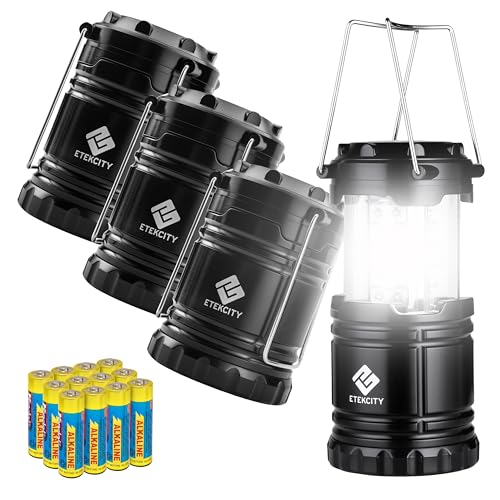
Beyond the basics, several features separate a frustrating lantern from a genuinely useful one. A collapsible or compact design saves pack space. A hanging hook or loop lets you suspend the lantern from a tent ceiling or branch. Red-light modes preserve night vision and attract fewer insects. Some lanterns double as power banks, charging a phone in an emergency. Others include a built-in flashlight for tasks that need a focused beam. If you're building a complete camp lighting kit, consider pairing a lantern with a dedicated LED camping light system or string lights for ambient illumination. For campers who want to consolidate gear, a lantern with integrated charging capabilities reduces the number of items you need to carry.
How to Choose Based on Your Camping Style
Different camping styles demand different lantern characteristics. Solo backpackers prioritize low weight and compact size, often accepting lower brightness in exchange for portability. Car campers and family campers can afford larger, brighter lanterns that serve as the primary light source for a whole site. RV campers benefit from lanterns that run on rechargeable batteries or 12-volt power. Winter campers need cold-resistant batteries and durable housing. Glampers may prefer lanterns with warm, adjustable lighting to create a cozy atmosphere. No matter your style, the lantern should match the shelter and environment — a tiny ultralight lantern struggles to light a large cabin tent, while a bulky high-output lantern is dead weight on a backpacking trip. For backpacking-specific recommendations, our good backpacking packs guide helps you plan the rest of your loadout.
Maintenance and Care Tips
An LED camping lantern requires minimal maintenance, but a few habits extend its life significantly. Wipe the lens and diffuser with a soft cloth to maintain brightness. Store the lantern with batteries removed if it uses disposables, preventing corrosion. Recharge internal batteries to roughly half capacity before long-term storage. Inspect seals and switches before each trip. Avoid leaving a lantern in a hot car for extended periods, as heat degrades both batteries and electronic components. With basic care, a quality LED lantern can last many seasons.
Common Mistakes to Avoid
The most common mistake is buying a lantern based on brightness alone. A lantern that produces blinding light but drains its battery in two hours is less useful than a moderate-output lantern that runs all night. Another mistake is ignoring the beam pattern — a lantern with a narrow, focused beam creates harsh shadows inside a tent, while a diffused 360-degree pattern provides even, comfortable light. Finally, many campers forget to test their lantern before a trip. Running a quick brightness and runtime check at home prevents surprises at the campsite.
Safety Considerations for Camping Lanterns
LED lanterns are inherently safer than fuel-based alternatives, but a few precautions still apply. Avoid leaving a lantern running unattended inside a sealed tent for long periods, as heat buildup — though minimal — can still be a concern with poorly ventilated models. Keep lanterns away from open flames and campfire sparks. If you're using a lantern as part of a broader camp safety setup, review our campfire safety rules and emergency preparedness for camping guides to build a comprehensive safety plan. A lantern also serves as a signaling device in emergencies, so keep it accessible and charged.
Final Thoughts
An LED camping lantern is one of the few pieces of gear that directly affects comfort, safety, and enjoyment on every trip. By focusing on brightness adjustability, battery runtime, durability, and features that match your camping style, you can choose a lantern that serves you well for years. Whether you're lighting a solo tent or a family basecamp, the right lantern makes the outdoors feel like home after dark.