Electric Lanterns: The Complete Guide to Bright, Reliable Camp Lighting
When the sun sets and the campsite goes dark, a dependable electric lantern becomes your most valuable tool. It lights up your tent, guides you to the restroom, and keeps the campfire gathering going long after the flames die down. But with so many options on the market, choosing the right one can feel overwhelming. This guide will walk you through everything you need to know about electric lanterns, from brightness and battery life to durability and extra features, so you can make an informed decision before you buy.
Why Trust This Guide? We've researched the most important features campers look for in an electric lantern. Our goal is to help you understand the technology, compare options fairly, and find a light that matches your specific camping style—whether you're a minimalist backpacker or a family car camper.
What Exactly Is an Electric Lantern?
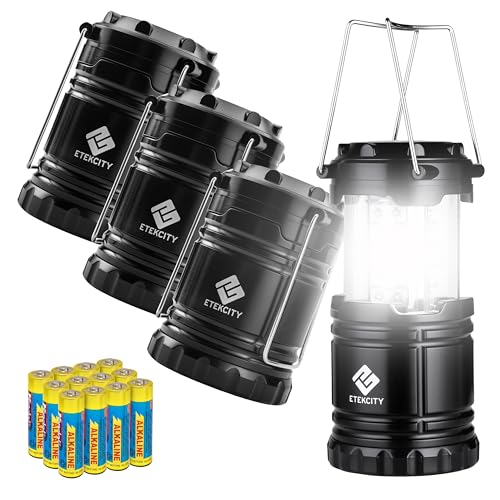
An electric lantern is a portable, battery-powered light source designed for area illumination. Unlike a flashlight, which projects a focused beam, a lantern disperses light in a 360-degree radius, making it ideal for lighting up a tent, a picnic table, or an entire campsite. Most modern electric lanterns use LED (Light Emitting Diode) technology because it's energy-efficient, durable, and long-lasting. You'll find models that run on disposable batteries, rechargeable battery packs, or even dual-power systems that accept both. Some advanced models can also act as power banks to charge your phone, which is a fantastic feature for camping technology enthusiasts.
Key Features to Evaluate Before You Buy
Not all electric lanterns are created equal. Here are the most important factors to consider:
Brightness (Lumens)
Brightness is measured in lumens. For a small tent, 100–200 lumens is usually sufficient. For a family campsite or group gathering, you'll want something in the 300–800 lumen range. High-end models can exceed 1,000 lumens, but they often consume battery faster. Think about your typical camping environment and choose accordingly.
Battery Life and Power Source
Battery life is critical. Entry-level lanterns often run on disposable batteries (like D-cells), which are easy to replace but generate waste. Mid-range and premium models frequently offer rechargeable batteries via USB-C, solar panels, or hand cranks. A good rule of thumb: the higher the lumen output, the shorter the runtime. Look for a lantern with multiple brightness settings so you can conserve power when full brightness isn't needed.
Durability and Weather Resistance
Camping gear takes a beating. Look for an electric lantern with a rugged, impact-resistant body. An IPX rating (Ingress Protection) indicates water and dust resistance. For example, IPX4 means it can handle splashes, while IPX7 means it can be submerged briefly. If you camp in rainy conditions, a higher IPX rating is a smart investment. For winter camping, consider how cold temperatures affect battery performance—some batteries drain faster in the cold, so a lantern with a lithium-ion battery may be a better choice than one with standard alkalines. You can learn more about cold-weather preparedness in our winter camping gear guide.
Size, Weight, and Portability
Backpackers need a compact, lightweight lantern that won't weigh them down. Car campers and families can opt for larger, brighter models with more features. Many electric lanterns feature collapsible designs or foldable handles for easy packing. If you're hiking to your campsite, check the weight carefully. For more on packing light, see our light backpacking tips.
Extra Features That Add Value
- Red Light Mode: Preserves night vision and is less attractive to insects. Great for stargazing or late-night tent reading.
- Power Bank Function: Lets you charge your smartphone or other small devices.
- Adjustable Color Temperature: Some lanterns let you switch between warm and cool white light.
- Remote Control or App Connectivity: A convenient feature for larger campsites.
- Hanging Hook or Magnetic Base: Makes it easy to suspend the lantern inside a tent or attach it to a metal surface.
Types of Electric Lanterns: Which One Suits You?
Electric lanterns come in several form factors, each with its own strengths:
Compact Camping Lanterns
These are the most common. They're small enough to fit in a backpack but bright enough for a tent or small group. Many are collapsible, shrinking down to the size of a hockey puck. They're perfect for overnight camping trips and emergency kits.
Large Area Lanterns
Designed for basecamps and family gatherings, these lanterns prioritize brightness and runtime over portability. They often feature multiple LED panels and can illuminate a large picnic area. If you're car camping or setting up a large tent, this category is worth exploring.
Rechargeable and Solar Lanterns
These are eco-friendly and convenient. Rechargeable lanterns plug into a USB port or wall outlet, while solar lanterns have built-in panels that charge during the day. They're excellent for extended trips where you might not have access to fresh batteries. For more on solar power, see our guide to solar chargers for camping.
Specialty Lanterns
This category includes lanterns with unique features, such as UV lanterns for insect attraction or battery lanterns designed for extreme weather. There are also hurricane lanterns (though many of these are fuel-based) and lantern lights that serve as decorative string lights. If you're looking for a classic aesthetic, a gas lantern might be your style, but for safety and convenience, electric is often the better choice for tent camping.
How to Choose the Right Electric Lantern for Your Needs
To make the best decision, ask yourself these questions:
- Where will I use it most? Inside a tent? Around a campsite? For emergencies at home? Your answer will dictate brightness and size.
- How long do I need it to run? A weekend trip requires less runtime than a week-long expedition. Look for a lantern with a runtime that matches your longest expected use.
- What's my power source? If you have a power bank, a USB-rechargeable lantern is ideal. If you're off-grid for days, a solar model or one that takes disposable batteries might be safer.
- Do I need extra features? A red light mode is great for stargazing. A power bank function is handy for phones. Decide which features are essential versus nice-to-have.
For more general advice on gear selection, see our camping FAQ.
Maintenance and Safety Tips for Electric Lanterns
To get the most out of your electric lantern, follow these simple practices:
- Store it properly: Remove batteries if you won't use the lantern for a long time. Keep it in a cool, dry place.
- Clean the lens: A dirty lens dims the light. Wipe it with a soft, damp cloth.
- Check the seals: If your lantern is water-resistant, inspect the rubber seals periodically for wear.
- Don't leave it on unattended: Even LED lanterns can overheat if left in an enclosed space for too long.
- Be mindful of light pollution: Use the lowest brightness setting that meets your needs. This preserves battery and respects other campers. Following Leave No Trace principles includes minimizing light pollution.
Electric Lanterns vs. Other Camp Lighting Options
How does an electric lantern compare to a flashlight, headlamp, or string lights?
- Flashlights: Great for focused tasks like walking a trail, but poor for area lighting. A lantern is better for illuminating a whole tent.
- Headlamps: Essential for hands-free tasks, but they cast shadows and aren't ideal for group settings. A camping headlamp complements a lantern nicely.
- String Lights: Decorative and fun for ambiance, but they don't provide functional brightness. Paper lights and C9 lights are popular for glamping setups.
- Campfires: Provide warmth and atmosphere, but are subject to fire bans and require constant attention. Always check campfire regulations before building a fire.
For many campers, the ideal setup includes a lantern for area light, a headlamp for personal tasks, and perhaps a few decorative string lights for ambiance.
Final Thoughts: Lighting Up Your Camping Experience
An electric lantern is more than just a light—it's a safety tool, a comfort item, and often the heart of your campsite after dark. By understanding lumens, battery life, durability, and extra features, you can choose a lantern that will serve you reliably for years. Whether you're a solo backpacker, a family camper, or a glamping enthusiast, there's an electric lantern that fits your needs. Take your time, compare your options, and get ready to enjoy many bright, memorable nights under the stars.