The Complete Guide to Inflatable House Tents
Discover the convenience, space, and comfort of inflatable house tents. Learn how they work, who they're for, and how to choose the perfect one for your next adventure.
Explore Top PicksQuick Answer: An inflatable house tent uses air-filled beams instead of traditional poles, making setup incredibly fast and often allowing for more spacious, cabin-like designs. They are ideal for families, glampers, and anyone who prioritizes convenience without sacrificing comfort.
What Is an Inflatable House Tent?
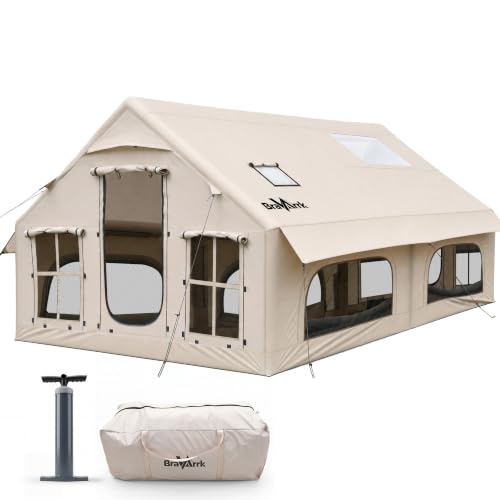
An inflatable house tent, also known as an air tent or blow-up tent, is a type of camping shelter that uses inflatable tubes or beams to create its structure. Instead of threading flexible poles through sleeves, you simply pump air into the integrated channels. This design has revolutionized family camping and glamping by dramatically reducing setup time and often providing more interior space.
The "house" designation refers to the cabin-style shape and height. Many models offer near-vertical walls and standing height, making them feel more like a temporary room than a traditional dome tent. This increased headroom and usable floor area make them perfect for family camping trips, extended stays, and even use as a guest room in your backyard. If you're new to the world of air tents, you might want to start by exploring what a blow-up tent has to offer, as the terms are often used interchangeably.
How Do Inflatable Tents Work?
The technology behind these tents is both simple and robust. The structural integrity comes from air beams—typically made of durable, TPU or PVC-coated materials—that are inflated to high pressure using a manual or electric pump. Once inflated, these beams become rigid, forming a sturdy frame that can withstand significant wind and weather.
Most models feature a single inflation point, allowing you to pump up the entire tent from one valve. Deflation is just as straightforward, with air released through large dump valves. This system eliminates the frustration of lost or broken poles, a common issue with traditional tents. For those who want the ultimate in convenience, an electric air pump can inflate a large tent in just a few minutes.
Key Benefits of an Inflatable House Tent
⚡ Fast & Easy Setup
Forget wrestling with poles. Most inflatable tents can be fully set up in under 10 minutes, even by one person. This is a game-changer for arriving at camp late or for families with young children.
🏠 Spacious & Livable
The beam structure allows for straight walls and high ceilings, creating a "house-like" feel. This extra space is perfect for adding cots, chairs, and gear, making it a true home away from home.
🛡️ Excellent Stability
When properly inflated and guyed out, air beams are incredibly strong. They flex under wind pressure rather than snapping, making them highly wind-resistant and stable in bad weather.
🧱 Durable Construction
High-quality inflatable tents are made from thick, puncture-resistant materials. While they require careful handling, a well-maintained air tent can last for many seasons of use.
Who Should Choose an Inflatable House Tent?
These tents are not for every camper, but for many, they are the perfect solution.
- Families: The spacious interior and easy setup are ideal for family camping. You can even find family camping areas that are perfect for these larger tents.
- Glampers: If you want comfort and style, an inflatable house tent is a great choice. You can even pair it with a portable toilet bucket for added convenience.
- Weekend Warriors: If you camp frequently but for short trips, the time saved on setup and takedown is invaluable.
- Car Campers: Since these tents are often heavier and bulkier, they are best for car camping where you don't have to carry your gear far. They pair well with a comfortable camping bed roll or a double camping cot.
If you prefer a more traditional setup and want to compare options, you might look at a canvas bell tent. However, for pure convenience, an inflatable model is hard to beat.
What to Look For in an Inflatable House Tent
Not all air tents are created equal. Here are the key factors to consider before you buy:
- Material & Denier: Look for a high denier (e.g., 210D or higher) for the fabric and durable TPU or PVC for the air beams. This indicates better puncture and abrasion resistance.
- Hydrostatic Head (HH): This measures waterproofing. For reliable protection, look for a rating of at least 3000mm, and ideally 5000mm or more for heavy rain.
- Inflation System: A single-point inflation system with a high-volume pump is the most convenient. Check if the pump is included or sold separately.
- Size and Layout: Consider the number of rooms, doors, and windows. A model with a large living area and separate sleeping compartments is ideal for families. Some even come with a pop-up privacy tent for changing or showering.
- Weight and Packed Size: These are not lightweight backpacking tents. Check the packed dimensions and weight to ensure it fits in your vehicle.
Setup, Care, and Maintenance Tips
To get the most out of your inflatable house tent, follow these simple guidelines:
- Choose a Good Campsite: Clear the area of sharp rocks, sticks, and debris. A ground sheet or footprint is essential to protect the floor.
- Don't Over-Inflate: Inflate until the beams are firm but not rock-hard. Over-inflation can damage the seams. Always follow the manufacturer's recommendations.
- Proper Pitching: Stake out the corners first, then inflate. This ensures the tent takes its correct shape. If you're camping in a windy area, use all the guy lines provided. You can learn more about pitching in various conditions, like setting up a tent in the rain.
- Cleaning and Storage: Always clean and thoroughly dry your tent before storing it. Store it loosely in a cool, dry place, away from direct sunlight.
With proper care, your inflatable tent will provide many years of comfortable camping. Always be prepared for emergencies by having a well-stocked first aid kit for camping.
Frequently Asked Questions
Are inflatable tents as durable as pole tents?
Yes, high-quality inflatable tents are very durable. The air beams are made from robust materials, and because they flex rather than break, they can often handle strong winds better than pole tents. The main risk is puncture, which can be mitigated with careful use and a repair kit.
What happens if an air beam gets punctured?
Most inflatable tents come with a repair kit. Small punctures can be patched easily. Many tents also have multiple independent air beams, so if one is damaged, the tent can still stand. For more serious damage, replacing the beam is often possible.
Can I use an inflatable tent in winter?
With caution. While some models are designed for four-season use, the main challenge is managing condensation and ensuring the material remains flexible in freezing temperatures. For winter camping, you might need a specialized winter tent and a proper winter camping gear setup.
How long does it take to set up an inflatable house tent?
Setup time is one of the biggest advantages. Most people can fully inflate and stake out a large inflatable house tent in 5 to 15 minutes, depending on the model and pump used.
Final Verdict: Is an Inflatable House Tent Right for You?
If you value your time, appreciate a spacious and comfortable camping experience, and typically camp from a vehicle, an inflatable house tent is an outstanding choice. They have transformed the camping experience for families and glampers, offering a blend of convenience and livability that is hard to match. For those who prefer a more technical setup or are backpacking, a traditional tent might still be the better option. But for car camping and creating a true "home away from home," the inflatable house tent is a clear winner.