
Hammocks for Trees: The Complete Guide to Choosing, Using, and Loving Your Tree Hammock
Everything you need to know about tree-friendly hammocks — from strap systems and sizing to comfort tips and safety practices. Find your perfect hang.
START YOUR GUIDEThe Art of the Perfect Hang: A great hammock experience isn't just about the hammock itself — it's about the right straps, the right trees, the right angle, and the right mindset. This guide walks you through every detail so you can relax with confidence.
Why a Tree Hammock Changes Everything
There's a reason hammock camping has exploded in popularity over the past decade. Unlike a tent, which requires flat, dry, debris-free ground, a hammock frees you to camp almost anywhere there are two sturdy trees. Rocky terrain, sloping hillsides, muddy ground, and root-covered forest floors become non-issues. You simply find your trees, set your straps, and drift off to sleep swaying gently in the breeze.
But not all hammocks are created equal, and not every hammock is suitable for tree mounting. The difference between a miserable night and the best sleep of your life often comes down to understanding how hammock design affects comfort, choosing the right suspension system, and respecting the trees that make your hang possible. If you're still weighing your shelter options, our comparison of tent vs hammock camping can help you decide which path suits your style.
What Makes a Hammock "Tree-Friendly"?
The term "tree-friendly" gets thrown around a lot, but it has a specific meaning. A tree-friendly hammock is one that can be suspended using wide, flat straps — typically one to two inches wide — that distribute weight across a broader surface area of the tree bark. Rope, cord, and thin webbing concentrate force into small contact points, which can girdle and kill trees over time. Wide straps, often called tree straps or tree huggers, prevent this damage.
Beyond straps, a tree-friendly hammock should also be:
- Lightweight enough to carry on backpacking trips without bogging you down
- Durable enough to withstand UV exposure, moisture, and repeated packing
- Comfortable enough to sleep in for hours, not just lounge for twenty minutes
- Versatile enough to work with a range of tree diameters and spacings
If you're specifically looking for a lounging hammock rather than a sleeping system, portable hammock chairs offer a different kind of comfort — but they still require tree-friendly suspension if you plan to hang them from bark.
Types of Hammocks for Trees: Which Style Suits You?
Hammocks come in several distinct styles, each with its own strengths and ideal use cases. Understanding these categories will help you narrow down your options before you ever start comparing specific models.
1. Gather-Ended Hammocks (Traditional Camping Hammocks)
These are the classic camping hammocks — a single piece of fabric gathered at both ends and connected to suspension cords. They're lightweight, packable, and affordable. Entry-level models are simple and effective, while premium versions use high-quality ripstop nylon and refined suspension systems. They're best for solo campers and backpackers who prioritize low weight.
2. Bridge Hammocks
Bridge hammocks use spreader bars at the head and foot to create a flat, bed-like sleeping surface. They're heavier and bulkier than gathered-end hammocks, but they offer superior comfort for side sleepers and people who dislike the "banana" curve of a traditional hammock. Mid-range and high-end bridge hammocks often include integrated bug nets and weather protection.
3. Camping Hammocks with Integrated Bug Nets
These are essentially gathered-end hammocks with a built-in mosquito net and often a rain fly. They're heavier than bare hammocks but eliminate the need for separate accessories. They're ideal for campers who want a complete shelter system in one package. Budget-friendly options exist, but premium models offer better ventilation, easier entry, and more durable zippers.
4. Lounging Hammocks
These are the hammocks you see in backyards and parks — often made of cotton or soft polyester, sometimes with spreader bars. They're not designed for overnight camping, but they're excellent for relaxation. If you want a hammock for your patio or a lazy afternoon in the park, a lounging hammock is a fine choice — just be sure to use tree straps if you're hanging it from bark.
5. Ultralight Hammocks
For backpackers counting every ounce, ultralight hammocks are the answer. They're made from thin, high-strength fabrics and come with minimalist suspension. They're not as durable as heavier models, but they're perfect for long-distance hikes. If you're into ultralight backpacking, you might also be interested in an ultralight quilt for backpacking to complete your sleep system.
Key Features to Evaluate Before You Buy
When you're comparing hammocks for trees, these are the features that matter most. Focus on these, and you'll avoid the most common mistakes.
Fabric and Weight Capacity
Most camping hammocks are made from nylon or polyester. Nylon is lighter and more packable; polyester is more resistant to UV damage and stretching. Ripstop fabrics add tear resistance. Weight capacity varies widely — entry-level hammocks often support around 250–300 pounds, while premium models can handle 400 pounds or more. Always check the stated capacity and consider your own weight plus gear.
Suspension System
This is where many beginners go wrong. The suspension — straps, whoopie slings, carabiners, and tree huggers — is just as important as the hammock itself. Look for:
- Tree straps at least 1 inch wide (2 inches is better for heavy users or thin-barked trees)
- Daisy chains or whoopie slings for easy adjustability
- Carabiners rated for climbing (not decorative or keychain carabiners)
- Total suspension length that accommodates trees 12–20 feet apart
Some hammocks come with suspension included; others require you to buy it separately. If you're buying a bare hammock, budget for a quality suspension system — it's not an area to cut corners.
Size and Comfort
Hammock sizing is measured by length and width. A longer hammock (10–11 feet) allows a flatter, more diagonal lie, which is more comfortable for sleeping. Wider hammocks (5–6 feet) accommodate broader shoulders and allow more room to move. If you're tall or broad-shouldered, prioritize length and width over ultralight weight.
For couples, a double person hammock can work, but be aware that two people in one hammock requires careful weight distribution and a sturdy suspension system. Many couples prefer two separate hammocks hung close together.
Bug Protection and Weather Protection
If you're camping in bug season, an integrated or separate bug net is essential. For rain, a tarp or rain fly is necessary — even if the forecast is clear, mountain weather changes fast. Some hammocks come with both; others require separate purchases. If you're new to camping, our first-time camping tips cover the basics of shelter and weather preparedness.
Packability and Weight
If you're carrying your hammock in a backpack, weight and packed size matter. Ultralight hammocks can weigh under a pound and pack down to the size of a grapefruit. Heavier lounging hammocks might weigh several pounds and take up significant space. Consider how you'll use the hammock — car camping, backpacking, or backyard lounging — and choose accordingly.
Tree Straps: The Most Important Accessory You'll Buy
If there's one thing we want you to take away from this guide, it's this: never hang a hammock from a tree without proper tree straps. Rope, cord, and thin webbing damage bark and can kill trees. Wide straps are non-negotiable for anyone who cares about the environment — and in many parks and forests, they're required by regulation.
What to Look For in Tree Straps
- Width: At least 1 inch, preferably 1.5–2 inches
- Length: 6–10 feet per strap is typical; longer straps accommodate larger trees
- Material: Strong, UV-resistant webbing (polyester or nylon)
- Adjustability: Multiple loops or a daisy chain design for easy length adjustment
- Weight: Ultralight straps exist for backpackers, but they're often narrower — check width carefully
How to Hang Without Damaging Trees
Even with wide straps, technique matters. Follow these principles:
- Choose healthy, mature trees with trunks at least 6 inches in diameter
- Avoid trees with thin bark (like birch) if possible
- Wrap straps at a height that allows a 30-degree hang angle
- Never hang from dead branches or trees that look unstable
- Leave no trace — remove straps and inspect trees after use
If you're camping in a park or forest, check local regulations. Some areas require specific strap widths or prohibit tree hanging entirely. Our guide to Leave No Trace principles covers the ethics of minimal-impact camping.
How to Choose the Right Hammock for Your Needs
Now that you understand the features, let's walk through a practical decision-making process.
Step 1: Define Your Primary Use
Are you backpacking, car camping, or lounging in the backyard? A backpacker needs ultralight and packable. A car camper can prioritize comfort and durability. A lounger can choose soft fabrics and spreader bars. Be honest about how you'll actually use it — most people overestimate how much they'll backpack and underestimate how much they'll lounge.
Step 2: Set Your Comfort Priorities
Do you sleep on your back, side, or stomach? Back sleepers do well in gathered-end hammocks. Side sleepers often prefer bridge hammocks or extra-wide gathered-end models. Stomach sleepers are rare in hammocks — if you're a stomach sleeper, a bridge hammock or a tent might be a better fit.
Step 3: Consider Your Climate
Humid, buggy climates demand integrated bug nets. Rainy climates demand tarps. Cold climates demand underquilts and top quilts (sleeping bags compress under you in a hammock, so you need insulation underneath). If you're camping in winter, our winter camping gear guide covers insulation strategies in detail.
Step 4: Choose Your Suspension
If you're buying a complete system, check what suspension is included. If you're buying a bare hammock, budget for straps, whoopie slings, and carabiners. Don't skimp — this is your lifeline.
Step 5: Test Before You Commit
If possible, try a friend's hammock or rent one before buying. Comfort is subjective, and what works for one person may not work for another. If you can't test, buy from a retailer with a generous return policy.
Setting Up Your Tree Hammock: A Step-by-Step Guide
Setting up a hammock is simple once you know the basics. Here's the process:
- Find two healthy trees about 12–15 feet apart, with trunks at least 6 inches in diameter.
- Wrap your tree straps at a height that allows a 30-degree hang angle (roughly shoulder height for most adults).
- Connect your suspension — whoopie slings, daisy chains, or carabiners — to the straps.
- Attach your hammock to the suspension using the included carabiners or loops.
- Check the angle — you want the hammock to hang at about 30 degrees from horizontal. Too tight, and you'll feel squeezed; too loose, and you'll sag uncomfortably.
- Lie in it diagonally — this is the key to a flat, comfortable lie in a gathered-end hammock.
- Adjust as needed — raise or lower the straps, tighten or loosen the suspension, and find your sweet spot.
If you're setting up in rain, our guide to setting up a tent in the rain offers transferable tips for keeping your gear dry — the principles apply to hammock tarps too.
Comfort Tips for a Better Night's Sleep
Hammock sleeping is different from bed sleeping, and a few adjustments can make a huge difference:
- Sleep diagonally. In a gathered-end hammock, lying on the diagonal flattens your body and reduces the "banana" curve.
- Use an underquilt. Sleeping bags compress under your weight, leaving you cold from below. An underquilt hangs beneath the hammock and traps warmth.
- Use a top quilt or sleeping bag. A top quilt is lighter and easier to manage in a hammock than a full sleeping bag.
- Pillow strategically. A small pillow under your knees or behind your head can improve alignment.
- Practice at home. Set up your hammock in the backyard before your first trip. You'll sleep better if you're already familiar with the setup.
If you're new to camping in general, our first-time camping checklist can help you prepare for your first hammock camping trip.
Safety and Responsibility
Hammock camping is generally safe, but a few precautions are essential:
- Never hang higher than you're willing to fall. Keep your hammock low to the ground, especially when you're first learning.
- Inspect your gear. Check straps, carabiners, and fabric for wear before every trip.
- Choose trees carefully. Avoid dead trees, trees with hanging dead branches, and trees that look unstable.
- Respect regulations. Some parks prohibit tree hanging. Check before you go.
- Practice Leave No Trace. Remove all straps and gear, and leave the area as you found it.
For more on outdoor safety, our common camping injuries guide covers what to watch for and how to prevent mishaps.
Best Places to Hang Your Hammock
Hammocks open up camping possibilities that tents can't match. Here are some ideal environments:
- Forests with mature trees. Hardwood forests with oak, maple, and hickory are ideal. Avoid areas with only thin-barked trees like birch.
- Lakeside and riverside campsites. Hang near water for scenic views and easy access to swimming and fishing.
- Mountain campsites. As long as you have trees, you can hang. Just be mindful of weather and wind exposure.
- Backyard and patio. For lounging, a backyard hang is hard to beat. Just use tree straps to protect your trees.
If you're looking for destination inspiration, our camping destinations guide covers some of the best places to camp in the US.
Common Mistakes to Avoid
Even experienced campers make these mistakes. Learn from them:
- Using rope instead of straps. This damages trees and is often illegal.
- Hanging too high. A fall from a hammock can cause serious injury.
- Forgetting insulation. A sleeping bag alone isn't enough — you need an underquilt or pad.
- Hanging from dead trees. Dead trees can fall. Always choose healthy, living trees.
- Overlooking weather. A tarp is essential for rain, and wind can make a hammock uncomfortable.
- Ignoring local regulations. Some parks prohibit hammock hanging. Check before you go.
Frequently Asked Questions
Can I use any hammock in trees?
Not all hammocks are suitable for tree hanging. You need a hammock with a proper suspension system — specifically, wide tree straps. Lounging hammocks with thin ropes can damage trees and are not recommended for tree mounting. Always use tree-friendly straps.
What's the best hammock for a beginner?
Beginners should look for a complete hammock system with integrated bug net, tarp, and tree straps. This simplifies setup and ensures you have everything you need. Gathered-end hammocks are the most common and easiest to learn.
How do I know if a tree is strong enough?
Choose trees with trunks at least 6 inches in diameter. Avoid dead trees, trees with cracks or deep wounds, and trees with hanging dead branches. If in doubt, choose another tree.
Can two people sleep in one hammock?
Yes, but it requires a double hammock and careful weight distribution. Many couples prefer two separate hammocks hung close together for better comfort and independence.
Do I need a bug net?
If you're camping in bug season, yes. Mosquitoes and other insects can ruin a night's sleep. Integrated bug nets are convenient; separate nets are more versatile.
How do I stay warm in a hammock?
Use an underquilt or sleeping pad beneath you for insulation, and a top quilt or sleeping bag over you. A tarp can also help trap warmth and block wind. For cold-weather camping, check our winter camping gear guide.
Are hammocks allowed in national parks?
Regulations vary by park. Some allow hammock hanging with tree straps; others prohibit it. Always check with the park before you go. Our guide to national park rules covers general principles.
Final Thoughts: Your Hammock Adventure Starts Here
A hammock for trees isn't just a piece of gear — it's a different way of experiencing the outdoors. It frees you from the constraints of flat ground, connects you more intimately with the forest, and offers a level of comfort that tents struggle to match. Whether you're a seasoned backpacker or a first-time camper, there's a hammock out there that will change the way you camp.
Take your time choosing. Prioritize tree-friendly suspension, comfort, and durability. Practice setting up at home. And when you're ready, venture into the trees with confidence. If you're still deciding between a hammock and a tent, our tent vs hammock comparison can help. And if you're looking for more camping inspiration, explore our camping styles guide for new ways to enjoy the outdoors.
Happy hanging — and remember: leave no trace, protect the trees, and enjoy every sway.
Recommended Hammocks for Trees & Tree Straps
⚠️ AFFILIATE DISCLOSURE: This website contains affiliate links. As an Amazon Associate, we earn from qualifying purchases. If you make a purchase through these links, we may receive a small commission at no additional cost to you. Read our full affiliate policy.

Wise Owl Outfitters Camping Hammock – up to 500lbs Portable Hammock with Tree Straps - Travel, Backpacking, Hiking, Outdoors Camping Gear - Single or Double

Durable Hammock 400 lb Capacity, Nylon Camping Hammock Chair - Double or Single Sizes w/Tree Straps and Attached Carry Bag - Portable for Travel/Backpacking/Beach/Backyard (Medium, Blue & Light Blue)
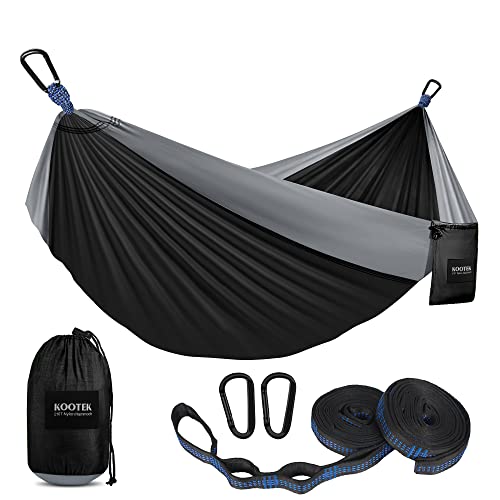
Kootek Camping Hammock 500lbs Capacity Outdoor Camping Essentials, Double | Outside&Indoors, Tree‑Safe Straps, Included Carry Bag, 215T Parachute Nylon, Heavy‑Duty Carabiners, Lightweight & Quick Setup

SUNCREAT Large Hammock for Tree, Outdoor Tree Fabric Hammock Only, Coffee Stripes

AnorTrek Camping Hammock, Super Lightweight Portable Parachute Hammock with Two Tree Straps Single or Double Nylon Travel Tree Hammocks for Camping Backpacking Hiking Blue&Dark Blue

Camping Hammock Lightweight, Portable Hammocks Parachute Hammock with Two Tree Straps, Single or Double Travel Swing Nylon Camp Hammocks, Outdoor Essentials for Beach Backpacking Hiking, Blue

Wise Owl Outfitters Camping Hammock – up to 500lbs Portable Hammock with Tree Straps - Travel, Backpacking, Hiking, Outdoors Camping Gear - Single or Double
