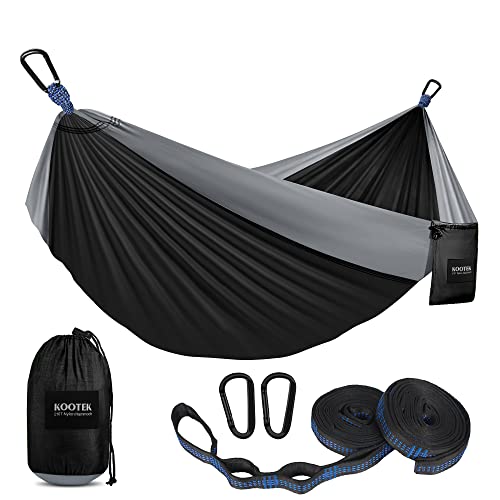
Double Person Hammock: The Complete Camping Guide
Everything you need to know about choosing, using, and enjoying a two-person hammock for camping adventures — from capacity and comfort to setup and safety.
COMPARE OPTIONSWhy a Double Person Hammock? A double hammock transforms your camping experience by offering shared comfort, versatile lounging space, and a lightweight alternative to traditional tent sleeping systems. Whether you're camping as a couple or simply want room to stretch out solo, a two-person hammock delivers unmatched relaxation in the outdoors.
What Is a Double Person Hammock?
A double person hammock is a suspended sleeping or lounging platform designed to accommodate two adults comfortably. Unlike traditional single hammocks, these models feature wider fabric panels — typically ranging from 55 to 80 inches (140 to 203 cm) in width — and reinforced suspension systems capable of supporting combined weights that commonly reach 400 to 500 pounds (181 to 227 kg).
While originally popularized for backyard relaxation, double hammocks have become a staple in the camping community. Modern camping-specific models include features like integrated bug nets, rain flies, and insulation sleeves, making them viable full-time sleep systems. For campers transitioning from ground sleeping, the tent vs hammock comparison is an excellent starting point to understand the fundamental differences in comfort, setup, and weather protection.
It's worth noting that a double hammock is distinct from a hammock that can be used as a tent, though some premium models blur the line by offering complete enclosure systems. The key difference lies in the intended primary use: double hammocks prioritize shared lounging comfort, while hammock-tent hybrids focus on solo shelter with full weather protection.
Key Features to Evaluate
Before selecting a double person hammock, understanding the critical features will help you match the product to your specific camping style. Here are the essential characteristics to evaluate:
- Weight Capacity: The combined maximum load the hammock and suspension can safely support. Entry-level models typically handle 400 lbs, while premium options may exceed 500 lbs. Always account for both occupants plus any gear stored inside.
- Fabric Material: Parachute nylon is the most common choice for its balance of strength, breathability, and packability. Ripstop nylon offers enhanced tear resistance, while polyester provides better UV and moisture resistance at a slight weight penalty.
- Suspension System: Tree straps are essential for protecting bark and are mandatory in many parks. Look for daisy-chain or strap-and-carabiner systems that are easy to adjust and don't stretch under load.
- Bug Net: Integrated or removable bug nets are crucial for warm-weather camping. Zippered entry and fine mesh (around 200 holes per inch) keep even the smallest insects out.
- Rain Fly: A dedicated tarp or rain fly provides weather protection. Some double hammocks include custom-fit flies, while others require a separate purchase. Check the fly's coverage area and whether it includes guy lines and stakes.
- Packed Size & Weight: Backpackers should prioritize models under 3 lbs (1.4 kg) with compressed packed sizes under 10 liters. Car campers can accept heavier, more feature-rich options.
- Insulation Compatibility: For cold-weather use, verify whether the hammock works with underquilts or insulation pads. Double hammocks often need specially sized insulation due to their larger footprint.
Double Person Hammock Tiers Compared
The following table categorizes double person hammocks by quality tier, helping you understand what to expect at each level without referencing specific prices. Use this as a framework when evaluating products from any brand.
| Feature | Entry-Level | Mid-Range | Premium | Luxury |
|---|---|---|---|---|
| Fabric Quality | Basic parachute nylon, 210T | Ripstop nylon, 210T–40D | High-tenacity ripstop, 40D–70D | Proprietary blends, 70D+ |
| Weight Capacity | 400 lbs (181 kg) | 450–500 lbs (204–227 kg) | 500–550 lbs (227–249 kg) | 550+ lbs (249+ kg) |
| Suspension Included | Basic ropes or thin straps | Daisy-chain tree straps | Wide tree straps with carabiners | Premium adjustable strap system |
| Bug Net | Not included | Optional or basic integrated | Integrated zippered net | Integrated with premium mesh |
| Rain Fly | Not included | Sold separately | Custom-fit included | Full-coverage included |
| Packed Weight | 3–5 lbs (1.4–2.3 kg) | 2.5–3.5 lbs (1.1–1.6 kg) | 2–3 lbs (0.9–1.4 kg) | 1.5–2.5 lbs (0.7–1.1 kg) |
| Best For | Backyard & occasional use | Weekend car camping | Regular camping & backpacking | Expedition & ultralight camping |
How to Choose the Right Double Hammock
Selecting the ideal double person hammock requires balancing your camping style, comfort preferences, and practical constraints. Follow this step-by-step framework to narrow your options:
1. Define Your Primary Use Case. If you're primarily car camping, weight and packed size matter less than comfort features like integrated bug nets and spacious dimensions. Backpackers, however, should prioritize lightweight models under 3 lbs with compact packed sizes. For those who enjoy diverse camping experiences, exploring camping styles can help clarify which hammock features align with your adventures.
2. Verify Weight Capacity. Add the weights of both expected occupants plus any gear you plan to store inside the hammock. Choose a model with a capacity at least 20% above your calculated maximum to ensure safety and longevity. Remember that suspension systems — not just the hammock fabric — must also support the load.
3. Consider Your Climate. In warm, humid regions, breathable nylon and integrated bug nets are essential. For colder conditions, verify that the hammock accommodates underquilts or insulation pads. If you're camping in cooler months, the winter camping gear guide provides valuable context on insulation systems that work with hammocks.
4. Evaluate Suspension and Accessories. Tree straps are non-negotiable for responsible camping and are required in most public parks. Look for wide straps (at least 1 inch) that won't damage bark. Carabiners should be climbing-rated, and the strap system should allow easy length adjustment without knots.
5. Check Setup Requirements. Double hammocks need more space between anchor points than single hammocks — typically 13 to 15 feet. If you frequently camp in areas with closely spaced trees or limited anchor options, consider whether a double hammock is practical. You may also want to understand how to choose tent size, as tent camping remains a better option for some terrains.
6. Plan for Weather Protection. If you plan to sleep overnight in your hammock, a rain fly is essential in most climates. Some double hammocks come with custom-fit flies, while others require separate tarps. Consider the camping tarp options that can serve as versatile overhead protection for both hammocks and ground setups.
Setup, Safety, and Best Practices
Proper setup is critical for comfort and safety when using a double person hammock. Unlike single hammocks, the wider fabric and heavier combined load demand more careful attention to anchor points, hang angle, and environmental factors.
Choosing Anchor Points. Select mature, healthy trees with trunks at least 6 inches in diameter. Avoid dead trees, branches, or any structure that shows signs of weakness. The ideal distance between trees is 13 to 15 feet, allowing a 30-degree hang angle. For more detailed guidance on tree selection and protection, review hammocks for trees best practices.
The 30-Degree Rule. The angle formed by the suspension straps and the hammock ends should be approximately 30 degrees. A flatter hang (less than 30 degrees) places excessive tension on the straps and trees, while a steeper hang (more than 30 degrees) compresses the hammock, reducing comfort.
Protecting Trees. Always use tree straps at least 1 inch wide. Never wrap ropes or thin cords directly around tree trunks, as this can damage the cambium layer. Follow Leave No Trace principles by minimizing your impact on the environment.
Weather Considerations. In rainy conditions, ensure your rain fly covers the entire hammock and allows for proper ventilation. Condensation can build up inside enclosed hammocks, so positioning the fly to allow airflow is essential. For cold-weather camping, an underquilt or insulated pad beneath the hammock is critical, as compressed sleeping bags provide no insulation underneath.
Safety Checks. Before each use, inspect straps for fraying, carabiners for proper function, and fabric for tears or weak spots. Never exceed the manufacturer's weight capacity, and always test the setup at low height before committing to a full night's sleep. Familiarize yourself with common camping injuries and carry a well-stocked first aid kit for camping.
Pros and Cons of Double Person Hammocks
Advantages
- Shared comfort for couples or friends
- Lightweight alternative to tents
- Versatile — use for sleeping or lounging
- Keeps you off uneven, rocky, or wet ground
- Quick setup in most environments
- Excellent for hot, humid climates with airflow
- Extra space for solo campers to spread out
Limitations
- Requires suitable trees or anchor points
- Needs more space between anchors than single hammocks
- Cold-weather camping requires additional insulation
- Two occupants can disturb each other's sleep
- Not ideal for side sleepers who need flat surfaces
- Weight and packed size can exceed lightweight tents
- Limited privacy compared to enclosed tents
Alternatives Worth Considering
While a double person hammock excels in many camping scenarios, it's not the only option for comfortable outdoor sleeping. Depending on your priorities, these alternatives may better suit your needs:
Camping Cots. For campers who prefer a flat, stable sleeping surface raised off the ground, a double camping cot offers tent-compatible comfort without requiring trees. Cots are ideal for car camping and work well inside large tents or under canopies.
Air Mattresses. Modern double bed air mattresses with built-in pumps provide adjustable firmness and pack down reasonably small. They're a popular choice for family camping and guests who prefer traditional bed-like comfort.
Sleeping Pads. For backpackers who need maximum portability, a quality sleeping pad paired with a lightweight tent or tarp shelter remains the most versatile ground-sleeping system. Explore the ultralight quilt backpacking approach for a modern, efficient sleep system.
Swinging Camping Chairs. If your interest in double hammocks is primarily for lounging rather than sleeping, swinging camping chairs offer similar relaxation with easier setup and broader compatibility with campgrounds that lack suitable trees.
Frequently Asked Questions
Ready to Find Your Perfect Double Hammock?
Explore our curated selection of top-rated double person hammocks for camping, backpacking, and lounging.
View Recommended Gear