
Great Smoky Mountains Camping Guide
Everything you need for an unforgettable camping adventure in America's most visited national park — from gear selection to campground secrets.
EXPLORE THE GUIDEWhy the Smokies? The Great Smoky Mountains offer over 800 miles of trails, diverse wildlife, and mist-covered peaks that feel like another world. Whether you're a first-time camper or a seasoned backcountry explorer, this guide will help you prepare properly and camp responsibly in this ancient mountain range.
Why Camp in the Great Smoky Mountains?
The Great Smoky Mountains National Park straddles the border between North Carolina and Tennessee, preserving one of the most biodiverse ecosystems in North America. Campers here experience old-growth forests, synchronized fireflies in early summer, and panoramic views from iconic spots like Clingmans Dome. The park welcomes over 12 million visitors annually, yet its vast backcountry offers solitude for those willing to hike in.
Unlike many national parks, the Smokies do not charge an entrance fee, making it an accessible destination for families and budget-conscious adventurers. However, camping requires planning — especially during peak seasons. Whether you're looking for a campground versus wild camping experience, the park has options ranging from developed frontcountry sites to remote backcountry shelters.
For those who prefer a more comfortable basecamp, nearby gateway towns like Gatlinburg and Cherokee provide supplies and alternative lodging. But the real magic happens under the stars, surrounded by the sounds of the forest. If you're new to camping, start with our first-time camping tips to build confidence before your trip.
Top Campgrounds in the Smokies
The park maintains ten developed frontcountry campgrounds, each with its own character. Grindstone Campground in Virginia offers a quieter experience with access to Mount Rogers, while Kee-Nes Lake Campground provides waterfront sites in a serene setting. For those seeking a more rustic stay, Red Cliff Camping and mount camping opportunities abound in the surrounding national forests.
If you're traveling with an RV or trailer, check out RV parking close to me resources to find hookup sites near the park. For a truly unique experience, consider cabin camping or a camping village style resort just outside the park boundary.
Frontcountry vs. Backcountry
Frontcountry campgrounds like Cades Cove and Elkmont offer amenities such as restrooms, fire rings, and picnic tables. Backcountry camping requires a permit and involves hiking to designated shelters or primitive sites. If you're planning a backcountry trip, ensure you have a personal locator beacon and understand wilderness first aid basics.
Essential Gear for Smoky Mountains Camping
The Smokies are known for their unpredictable weather — mist, rain, and sudden temperature drops are common even in summer. Your gear should prioritize moisture management and insulation. Here's a breakdown of what you need, categorized by quality tier so you can choose based on your experience level and long-term plans.
Shelter & Sleep System
A reliable tent is your home in the mountains. For frontcountry camping, a spacious tent you can stand up in adds comfort, while backpackers should look for a 2-person backpacking tent with footprint for lightweight protection. If you're camping in colder months, a tent for cold and rainy weather is essential. Add a self-inflating pad or a sleeping pad for car camping for insulation from the ground.
Budget-Friendly Shelter
Simple dome tents and basic sleeping pads — ideal for occasional car campers and fair-weather trips.
All-Weather Performance
Double-wall tents with taped seams and insulated sleeping pads — great for three-season camping and families.
Lightweight & Durable
Ultralight backpacking tents and high-R-value pads — built for serious backcountry adventures and long-term use.
Cooking & Hydration
Bear activity is common in the Smokies, so proper food storage is non-negotiable. Use bear-proof containers or hang your food. For cooking, a single-burner propane camp stove is reliable and easy to use. If you're camping in winter, read our winter cooking guide for tips on melting snow and cooking in cold conditions. Always carry a water filter — natural water sources in the park may contain pathogens.
For group trips, consider camping food ideas for large groups and a heavy-duty trash bag to pack out all waste. Remember: Leave No Trace principles are strictly enforced in the park.
Clothing & Layering
Temperatures can vary wildly from valley to peak. Bring layers, including a moisture-wicking base, an insulating mid-layer, and a waterproof outer shell. For winter trips, our layering clothing system guide is essential reading. Sturdy winter boots or waterproof hiking boots are a must for muddy trails.
Safety & Navigation
Cell service is spotty in the park. Carry a personal locator beacon if you're heading into the backcountry, and know emergency SOS signals. A first aid kit for camping should include blister treatment, insect repellent, and any personal medications. Before your trip, review common camping injuries and wildfire prevention guidelines.
Safety & Regulations You Must Know
The Great Smoky Mountains National Park has specific rules to protect both visitors and wildlife. Key regulations include:
- Food Storage: All food and scented items must be stored in bear-resistant containers or hung properly. Follow food storage rules strictly.
- Campfires: Only allowed in designated fire rings. Check the fire ban guide before lighting any fire, and know campfire safety rules and how to extinguish a campfire completely.
- Wildlife: Do not feed bears or any wildlife. Carry bear spray if hiking in remote areas, and read our bear spray vs gun comparison for context.
- Permits: Backcountry camping requires a permit. Reserve in advance through the park's official system. For general camping reservation questions, see do I need a reservation.
Weather in the Smokies can change rapidly. Check camping weather alerts before heading out, and have a plan for severe weather. If you're camping with children, review camping with kids for family-specific safety tips. For dogs, read camping with dogs rules — pets are not allowed on most trails.
Best Time to Camp in the Smokies
Each season offers a different experience. Spring brings wildflowers and moderate temperatures, but expect rain. Summer is peak season — book early and prepare for crowds and afternoon thunderstorms. Fall is arguably the most spectacular, with vibrant foliage and crisp air. Winter camping is for the experienced, with freezing temperatures and the possibility of snow. Read our best time to camp guide for a broader perspective on seasonal planning.
If you're visiting in winter, review winter camping safety and prevent frostbite resources. For snowy conditions, learn how to set up a tent on snow.
Beyond the Tent: Local Attractions
The surrounding region offers plenty to explore. Fern Canyon and Glass Beach are not in the Smokies but are examples of unique natural attractions worth seeking out on a broader road trip. Closer to the park, the Blue Ridge Parkway provides stunning driving views, and Shenandoah National Park is a few hours north for those extending their adventure.
For a different kind of camping experience, consider workamping opportunities in the region, or explore places to go on vacation for inspiration beyond the Smokies.
Frequently Asked Questions
Do I need a permit to camp in the Great Smoky Mountains?
Yes, backcountry camping requires a permit, which can be obtained online or at the park's visitor centers. Frontcountry campgrounds require reservations during peak season.
Are campfires allowed in the Smokies?
Campfires are only allowed in designated fire rings within developed campgrounds and some backcountry sites. Always check current fire restrictions before your trip.
Can I camp anywhere in the park?
No. Dispersed camping is not allowed within the national park boundaries. You must camp in designated campgrounds or backcountry sites. For nearby options, see BLM camping and BLM camping rules.
What is the best gear for Smoky Mountains camping?
Prioritize a waterproof tent, a warm sleeping bag rated for expected temperatures, a reliable stove, and rain gear. See our camping gear section for detailed guides.
Is it safe to camp alone in the Smokies?
Solo camping is possible but requires extra caution. Read our camping alone guide and is camping alone safe article for safety tips.
Recommended Gear for Great Smoky Mountains Camping
⚠️ AFFILIATE DISCLOSURE: This website contains affiliate links. As an Amazon Associate, we earn from qualifying purchases. If you make a purchase through these links, we may receive a small commission at no additional cost to you. Read our full affiliate policy.

Lonely Planet Great Smoky Mountains National Park (National Parks Guide)

Great Smoky Mountains National Park Map (National Geographic Trails Illustrated Map, 229)

Moon Great Smoky Mountains National Park: Hiking, Camping, Scenic Drives (Moon National Parks Travel Guide)

Great Smoky Mountains National Park Entrance Sign Magnet by Classic Magnets, 4.1" x 2.5", Collectible 3D Rubber Vintage-Style Souvenirs and Gifts Made in the USA
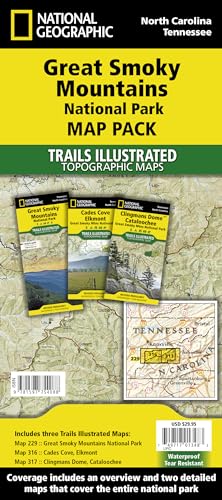
Great Smoky Mountains National Park [Map Pack Bundle] (National Geographic Trails Illustrated Map)

Great Smoky Mountains National Park Day Hikes Map (National Geographic Topographic Map Guide, 1702)

Vintage Great Smoky Mountains Wall Decor Street Sign Metal Tin Signs

Fodor's InFocus Great Smoky Mountains National Park (Full-color Travel Guide)
Disclaimer
Outdoor activities involve inherent risks. The information provided on CampLifeEssentials is for educational purposes only. We are not responsible for any injuries, losses, or damages resulting from the use of this information. Some content may use AI assistance. Always practice Leave No Trace principles and verify local regulations before camping. If you do not agree, please do not use this website. Read the full disclaimer.