Good Backpacking Meals: The Complete Guide to Trail Nutrition
Fuel your adventure with lightweight, calorie-dense, and delicious meals. Learn how to choose the best backpacking food for energy, taste, and convenience on the trail.
START PLANNINGWhy good backpacking meals matter: When you're miles from the trailhead, every ounce counts. The right meals keep you energized, satisfied, and ready for the next climb. This guide will help you navigate the world of dehydrated meals, energy bars, and trail snacks so you can pack smarter and eat better outdoors.
What Makes a Good Backpacking Meal?
A good backpacking meal balances nutrition, weight, taste, and convenience. Unlike car camping, where you can bring a cooler and a full kitchen setup, backpacking demands food that is lightweight, calorie-dense, and easy to prepare with minimal fuel and water. The ideal meal should provide sustained energy, be simple to cook (or require no cooking at all), and taste good enough to look forward to after a long day on the trail.
Nutritionally, backpackers need a mix of carbohydrates for quick energy, protein for muscle recovery, and healthy fats for long-lasting fuel. A common guideline is to aim for 125–150 calories per ounce of food. Meals should also be compact, durable, and resistant to crushing or spoiling. For more detailed guidance on meal planning, see our good camping meals guide, which covers car camping and basecamp options. If you're specifically focused on reducing pack weight, our lightweight backpacking food article offers advanced strategies.
Types of Backpacking Meals
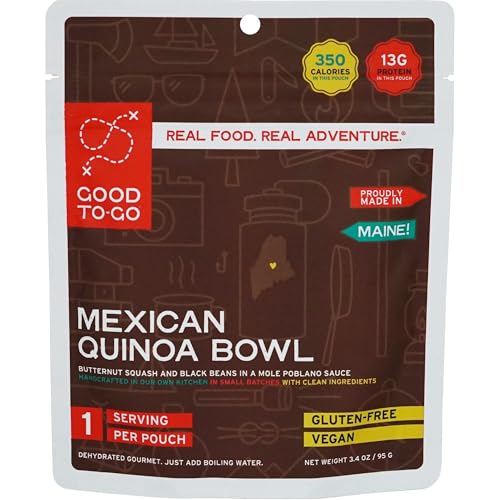
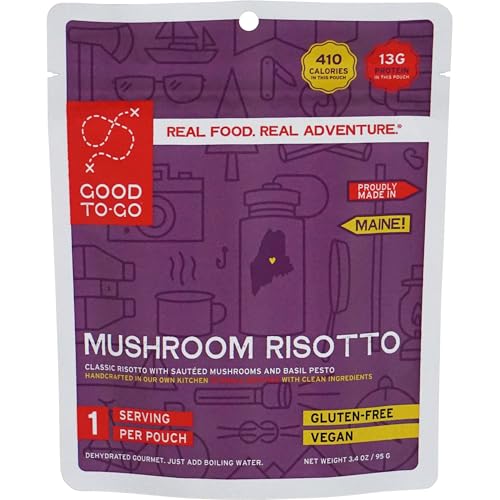
Backpacking meals generally fall into three categories: dehydrated, freeze-dried, and ready-to-eat. Dehydrated meals are lightweight and require added water, while freeze-dried meals retain more flavor and texture but are often pricier. Ready-to-eat options like tuna packets, nut butters, and energy bars require no preparation at all.
For breakfast, many backpackers choose instant oatmeal, granola, or breakfast camping food like powdered eggs and coffee. Dinner often consists of a hot, savory meal—think pasta, rice, or couscous with a protein source. Our camping dinner recipes collection includes many ideas that can be adapted for backpacking. If you prefer no-cook lunches, consider lazy camping food options like tortillas with shelf-stable fillings.
Top Considerations for Choosing Backpacking Meals
When selecting meals, consider these key factors:
- Weight and Packability: Look for meals that are compact and lightweight. Remove excess packaging at home to save ounces.
- Caloric Density: Aim for at least 125 calories per ounce. Nuts, olive oil, and nut butters are excellent for boosting calories without much weight.
- Preparation Requirements: Some meals need only cold water, while others require boiling. Consider your stove and fuel availability.
- Taste and Variety: Eating the same meal day after day leads to food fatigue. Bring a variety of flavors and textures.
- Dietary Needs: Whether you're vegetarian, gluten-free, or have allergies, there are plenty of options available. Always check ingredient lists.
For a broader overview of what to pack, see our camping food list and good backpacking food resources. If you're new to backpacking, our first time camping tips provide a solid foundation.
Best Backpacking Meal Categories
Here's a breakdown of the most popular meal categories for backpackers:
Breakfast
Quick, carb-rich meals are ideal. Instant oatmeal, granola with powdered milk, and energy bars are staples. For a hot breakfast, try breakfast burritos camping style—pre-made and wrapped in foil, they can be reheated on a stove. Also consider camp out meals that double as breakfast or dinner.
Lunch and Snacks
No-cook lunches save fuel and time. Tortillas, hard cheese, salami, nuts, dried fruit, and energy bars are perfect. Good backpacking meals for lunch are often simple and require no stove. Pack a variety of snacks to eat every 1–2 hours to maintain energy.
Dinner
Dinner is often the most anticipated meal. Freeze-dried meals are convenient, but you can also create your own by combining instant rice, couscous, or pasta with dehydrated vegetables and a protein source like tuna or chicken packets. Our campfire chicken meals and camping fire recipes offer inspiration, though open fires may not be permitted in all backpacking areas. For a fun twist, try pie iron meals—though these are heavier and better suited for car camping.
Drinks and Hydration
Stay hydrated with water, electrolyte tablets, and hot drinks like tea, coffee, or winter hot drinks recipes in cold weather. Avoid alcohol as it can dehydrate you.
How to Pack and Store Backpacking Meals
Proper packing keeps food safe and organized. Use resealable bags or a bear canister where required. Always follow food storage rules and Leave No Trace principles. For bear country, a bear-proof cooler may be necessary, but for backpacking, a bear canister is the standard. Repackage meals into smaller bags to reduce bulk and weight. Don't forget a campfire starter kit if you plan to cook over a fire (where allowed).
Sample Backpacking Meal Plan
Here's a one-day sample plan for a moderate backpacking trip:
- Breakfast: Instant oatmeal with dried fruit and nuts, coffee.
- Snack: Energy bar, trail mix.
- Lunch: Tortilla with peanut butter and banana chips, beef jerky.
- Snack: Granola bar, dried mango.
- Dinner: Freeze-dried pasta primavera or homemade couscous with tuna and olive oil.
- Dessert: Dark chocolate square.
Adjust portions based on your caloric needs, trip length, and activity level. For more meal ideas, explore our good camping meals and camping food list pages.
DIY Backpacking Meals
Making your own meals saves money and lets you control ingredients. You can dehydrate fruits, vegetables, and even full meals at home. Combine instant rice, dehydrated beans, and spices for a custom dinner. For breakfast, mix instant oats with powdered milk and cinnamon. Use a non-stick cookset for easy cleanup. If you're into camping fire recipes, many can be adapted for backpacking by prepping ingredients ahead.
Common Mistakes to Avoid
- Overpacking: Bring only what you'll eat. Extra food is dead weight.
- Underpacking: Running out of food is worse than carrying a little extra.
- Ignoring Taste Fatigue: Bring a variety of flavors and textures.
- Forgetting Fuel: Match your stove fuel to your meal plan. If you're using a camping stove, test it before your trip.
- Poor Storage: Protect food from moisture and animals. Use odor-proof bags and bear canisters.
Frequently Asked Questions
How many calories should I bring per day?
Most backpackers need 2,500–4,500 calories per day depending on weight, distance, and terrain. Aim for 1.5–2 pounds of food per day.
What are the best no-cook backpacking meals?
Tortillas with peanut butter, tuna packets, nuts, dried fruit, and energy bars are excellent no-cook options. See our lazy camping food guide for more.
Can I bring fresh food backpacking?
Fresh food is heavy and perishable. For short trips, you can bring hard cheese, salami, and sturdy vegetables like carrots. For longer trips, stick to dehydrated or freeze-dried options.
How do I prevent food from attracting animals?
Store food in odor-proof bags or a bear canister, and hang food where required. Follow food storage rules and Leave No Trace principles.
What's the best way to clean up after a backpacking meal?
Use a non-stick cookset for easy cleaning. Scrape leftovers into a trash bag, and pack out all waste. Use minimal water and biodegradable soap.
Fuel Your Next Adventure
Choosing good backpacking meals is one of the most important decisions you'll make for a successful trip. By prioritizing lightweight, calorie-dense, and delicious options, you'll stay energized and enjoy your time in the wild. Whether you're planning a weekend getaway or a thru-hike, the right food makes all the difference.
Ready to gear up? Explore our recommended backpacking meals and snacks below. For more inspiration, check out our good backpacking food and lightweight backpacking food guides.