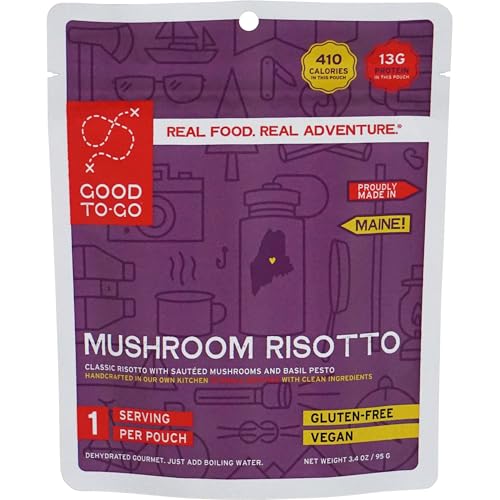
Good Backpacking Food: Fuel Your Adventure
Discover the best lightweight, high-energy meals to keep you powered on every trail. Your complete guide to choosing, packing, and preparing good backpacking food.
START PLANNINGWhy Backpacking Food Matters: The right food can make or break your trip. It affects your energy, mood, and ability to cover miles. This guide will help you understand what makes good backpacking food and how to choose the best options for your next adventure.
What Makes Good Backpacking Food?
When you're miles from the trailhead, every ounce in your pack counts. Good backpacking food must strike a balance between nutrition, weight, and convenience. Unlike good camping meals that can be prepared at a campsite with a cooler, backpacking food needs to be lightweight, calorie-dense, and shelf-stable.
The ideal backpacking food should provide sustained energy, be easy to prepare with minimal fuel and water, and taste good enough that you actually want to eat it after a long day on the trail. Whether you're planning a weekend trip or a multi-week thru-hike like the EBC trekking tour, understanding your nutritional needs is essential.
💡 Pro Tip: Aim for foods that provide at least 100 calories per ounce. This ensures you're carrying the most energy for the least weight. Nuts, nut butters, olive oil, and freeze-dried meals are excellent choices.
Key Nutritional Principles for Backpacking
🔥 Calorie Density
Backpacking burns significantly more calories than daily life. You need foods that pack maximum energy into minimum weight.
- Nuts and seeds
- Nut butters
- Olive oil and coconut oil
- Dark chocolate
- Hard cheese
💪 Protein for Recovery
Protein helps repair muscles after long days on the trail. Aim for 15-25 grams per meal to support recovery.
- Jerky and meat sticks
- Dehydrated beans
- Protein powder
- Tuna and salmon packets
- Quinoa and lentils
⚡ Complex Carbohydrates
Carbs are your body's primary fuel source during hiking. Choose complex carbs for sustained energy release.
- Oats and granola
- Whole grain crackers
- Dehydrated sweet potatoes
- Rice and couscous
- Energy bars
Types of Good Backpacking Food
There are several categories of backpacking food, each with its own advantages. Understanding these categories will help you build a balanced and enjoyable trail menu.
Freeze-Dried Meals
Freeze-dried meals are the gold standard for backpacking convenience. They're lightweight, require only boiling water, and come in a wide variety of flavors.
- Just add hot water
- Long shelf life
- Lightweight packaging
- No cleanup required
Best for: Weekend trips, thru-hikes, and anyone who values convenience.
Dehydrated Foods
Dehydrated foods are more versatile than freeze-dried options. You can dehydrate your own meals at home or buy pre-dehydrated ingredients.
- Customizable meals
- Less expensive than freeze-dried
- Requires longer rehydration
- Great for camping food lists
Best for: Budget-conscious backpackers and those who enjoy meal prep.
No-Cook Foods
No-cook foods require no stove or fuel, making them perfect for ultralight backpacking or emergency rations.
- Energy bars and granola bars
- Jerky and meat sticks
- Nuts and trail mix
- Tortillas and peanut butter
- Ready-to-eat tuna packets
Best for: Ultralight backpackers, day hikes, and emergency preparedness.
Energy Bars and Snacks
Energy bars and snacks are essential for maintaining energy levels between meals. They're easy to eat on the go and provide quick fuel.
- Granola and cereal bars
- Protein bars
- Fruit leather and dried fruit
- Trail mix and gorp
- Electrolyte chews
Best for: Snacking on the trail and quick energy boosts.
Backpacking Food Comparison
Use this table to compare the different types of backpacking food and find the best options for your needs.
| Food Type | Weight | Preparation | Best For | Quality Tier |
|---|---|---|---|---|
| Freeze-Dried Meals | Lightweight | Just add hot water | Convenience & taste | Premium |
| Dehydrated Foods | Lightweight | Requires simmering | Customization & budget | Mid-Range |
| No-Cook Foods | Ultralight | None | Ultralight & emergency | Entry-Level |
| Energy Bars | Lightweight | None | Snacking & quick energy | Mid-Range |
| Nuts & Trail Mix | Moderate | None | Calorie density | Entry-Level |
Sample Backpacking Menu Plan
Here's a sample one-day menu plan for a backpacking trip. Adjust portions based on your calorie needs and trip intensity.
🌅 Breakfast
- Instant oatmeal with dried fruit and nuts
- Coffee or tea
- Energy bar for the trail
Approx. 500-700 calories
For more ideas, see our breakfast camping food guide.
☀️ Lunch
- Tortillas with peanut butter and banana chips
- Jerky or meat sticks
- Trail mix
- Electrolyte drink mix
Approx. 600-800 calories
🌙 Dinner
- Freeze-dried backpacking meal
- Olive oil packet for extra calories
- Dark chocolate square
- Herbal tea
Approx. 600-900 calories
Explore more options in our good backpacking meals article.
🍎 Snacks
- Dried fruit and nut mix
- Granola bars
- Beef jerky
- Energy chews
Approx. 400-600 calories
Tips for Choosing Good Backpacking Food
1. Consider Your Trip Length
For short trips, you can afford to carry slightly heavier fresh foods. For multi-day trips, focus on lightweight, calorie-dense options. If you're planning a lightweight backpacking food strategy, every ounce matters.
2. Pack Variety
Eating the same meal every day gets old fast. Bring a variety of flavors and textures to keep meals interesting. This is especially important on longer trips where food fatigue can lead to under-eating.
3. Test Before You Go
Never try a new backpacking meal for the first time on the trail. Test new foods at home to ensure you like the taste and that your body tolerates them well.
4. Repackage to Save Weight
Transfer foods from bulky packaging to lightweight zip-top bags. This reduces weight and trash. Just remember to bring a pen to label everything.
5. Don't Forget Electrolytes
Electrolyte replacement is crucial, especially in hot weather or at high altitudes. Bring electrolyte tablets or powder to mix with water. For more on hydration, see our camping food list.
Pro Tips for Backpacking Food Success
💡 Pro Tip: Add olive oil or coconut oil to your meals for extra calories without much weight. A single tablespoon of olive oil adds about 120 calories.
💡 Pro Tip: Use a cozy to keep your freeze-dried meal warm while it rehydrates. This also helps rehydrate more thoroughly. If you're camping in winter, check out our snow storm camping tips for cold-weather food strategies.
💡 Pro Tip: Plan your meals around your water sources. If water is scarce, choose no-cook foods or meals that require minimal water. Learn more in our camping food list guide.
💡 Pro Tip: For a morale boost, bring a small treat for each day. A piece of dark chocolate or a favorite candy can make a big difference after a long day. See our camping dinner recipes for more inspiration.
Common Backpacking Food Mistakes to Avoid
❌ Not Bringing Enough Food
It's better to bring a little extra than to run out. Hunger on the trail leads to fatigue, poor decisions, and a miserable experience. Pack an extra day's worth of food for emergencies.
❌ Ignoring Calorie Density
Fresh fruits and vegetables are healthy but heavy and low in calories. For backpacking, prioritize calorie-dense foods that give you the most energy per ounce.
❌ Forgetting About Water
Some foods require more water to prepare than others. If you're camping in an area with limited water sources, choose meals that require little to no water.
❌ Not Packing Out Trash
Always follow Leave No Trace principles. Pack out all food packaging and leftovers. Consider repackaging food to minimize trash.
Frequently Asked Questions
What is the best food to take backpacking?
The best backpacking food is lightweight, calorie-dense, and easy to prepare. Options include freeze-dried meals, energy bars, nuts, nut butters, oatmeal, and dried fruits. Focus on high fat and protein content for sustained energy.
How many calories do I need per day backpacking?
Most backpackers need between 2,500 to 4,500 calories per day depending on body weight, distance, elevation gain, and pack weight. Plan for 1.5 to 2.5 pounds of food per day.
What are the lightest backpacking food options?
Freeze-dried meals, dehydrated fruits and vegetables, nuts, seeds, jerky, and powdered drink mixes are among the lightest options. They offer high calories per ounce and require minimal water for rehydration.
Can I bring fresh food backpacking?
Yes, for short trips you can bring some fresh foods like apples, carrots, and hard cheese. However, for longer trips, lightweight and shelf-stable options are better. Check our camping food list for more ideas.
How do I keep food safe from animals?
Always store food in a bear canister or hang it properly in a tree, away from your campsite. Never keep food in your tent. Learn more in our food storage rules guide.
Final Thoughts on Good Backpacking Food
Choosing the right backpacking food is a skill that improves with experience. Start with the principles outlined in this guide, experiment with different foods on shorter trips, and refine your menu based on what works for you. Remember that good backpacking food should fuel your body, satisfy your taste buds, and be practical to carry and prepare.
Whether you're planning a simple overnight trip or a good backpacking meals strategy for a long-distance hike, the key is to find the right balance of nutrition, weight, and enjoyment. Your body will thank you, and your adventure will be all the better for it.
For more information on camping and backpacking, explore our camping FAQ section and check out our camping food list for even more ideas.