Galapagos Islands: Camping, Wildlife & Travel Guide
Discover the enchanted islands where nature rules. Plan your camping adventure, find the best tours, and get expert gear advice for a sustainable and unforgettable journey.
Explore Recommended Gear🌿 Why Galapagos? The Galapagos Islands offer a unique blend of pristine nature, endemic wildlife, and camping experiences unlike anywhere else. Whether you're a seasoned camper or a first-time visitor, this guide covers everything from permits to packing.
Galapagos Travel & Camping Overview
The Galapagos Islands, a volcanic archipelago in the Pacific Ocean, are a living museum of evolution. Camping is allowed only in designated areas on certain islands, and permits are required. Most visitors arrive by boat or small plane, and the best way to experience the islands is through a combination of small camper trailer-style land-based stays or liveaboard cruises. For those who prefer to sleep under the stars, camping on Santa Cruz, Isabela, or Floreana is possible with prior authorization. Always book your camping supplies in advance, as gear availability is limited on the islands.
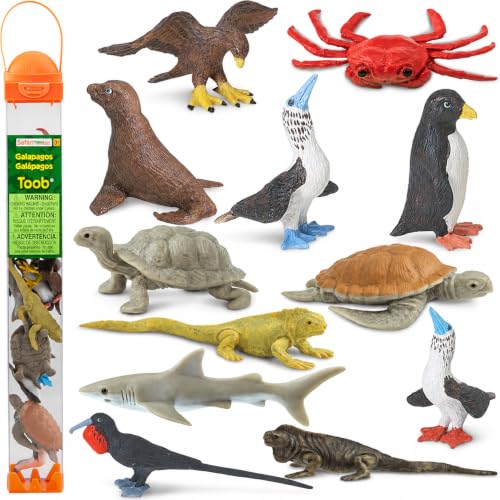
Wildlife is the star here: giant tortoises, marine iguanas, blue-footed boobies, and sea lions are just a few of the species you'll encounter. The best time to visit is during the warm season (December–May) when waters are calm, or the dry season (June–November) for cooler weather and active wildlife. For a truly immersive experience, consider a Caribbean beach resort-style retreat on the mainland combined with a Galapagos expedition – but keep in mind that the Galapagos are a world apart in terms of conservation and regulations.
Camping Permits & Regulations
📋 Permits & Rules
- Camping permits are issued by the Galapagos National Park (GNP) and cost around $15–$25 per night.
- Only designated campsites are allowed: check with your tour operator or the GNP website.
- Must be accompanied by a certified naturalist guide for overnight stays.
- Leave No Trace – all waste must be packed out.
- Fires are strictly prohibited; use portable stoves only.
🏕️ Best Islands for Camping
- Santa Cruz: Puerto Ayora area, close to the Charles Darwin Research Station.
- Isabela: The largest island, with multiple camping zones near the Sierra Negra volcano.
- Floreana: Remote and quiet, perfect for nature lovers.
- San Cristóbal: Offers camping near the interpretation center and beaches.
Always book your camping permit at least 2 weeks in advance, especially during peak season.
Essential Gear for Galapagos Camping
The Galapagos climate is subtropical, with temperatures ranging from 70°F–85°F (21°C–29°C). However, the sun is intense, and nights can be cool near the coast. Your gear should prioritize sun protection, lightweight layers, and water resistance. Here are our top recommendations:
🏕️ Shelter & Sleep
- Lightweight sleeping bag (rated 50°F+ since nights are mild)
- Camping mattress for extra comfort on volcanic ground
- Sleeping pad with high R-value for insulation
- Inflating bed or air mattress if space allows
- Teepee tents or dome tents – both work well in island conditions
🍳 Cooking & Water
- Propane stove or gasoline stove (fire ban)
- Cookset – lightweight and durable
- Water filtration system or purification tablets (freshwater is scarce)
- Camping cooler with good insulation for perishables
- Long-lasting ice packs to keep food fresh
☀️ Clothing & Protection
- Quick-dry shirts and pants (synthetic or merino wool)
- Layering clothing for cool evenings
- High SPF sunscreen, wide-brim hat, and sunglasses
- Sturdy hiking shoes or boots (volcanic terrain)
- Waterproof boots for wet landings
📸 Extras & Comfort
- Camping chair for relaxing at campsite
- Folding lawn chair if you prefer a low seat
- Lantern outdoor – solar or battery-powered
- Power banks for electronics (limited outlets)
- Drone (check park regulations first – most areas restrict drones)
💡 Pro Tip: Pack a camping first aid kit with antihistamines, anti-diarrheal, and sunscreen. Also, bring a portable shower if you plan to stay more than 2 nights – some campsites have shared facilities, but private ones are rare.
Top Activities & Tours
Beyond camping, the Galapagos offer world-class snorkeling, diving, and wildlife watching. Many visitors combine camping with a destination wedding or a dream vacation package that includes cruises. Here are the must-do activities:
🐠 Snorkeling & Diving
Discover hammerhead sharks, sea turtles, and colorful fish. The best spots: Kicker Rock (San Cristóbal) and Gordon Rocks (Santa Cruz).
🌋 Hiking & Volcanoes
Hike the Sierra Negra crater on Isabela or visit the lava tunnels on Santa Cruz. Hiking gear is essential for these treks.
🦎 Wildlife Encounters
Visit the Charles Darwin Station, see giant tortoises, and spot blue-footed boobies nesting. Always maintain a 2-meter distance from animals.
For a comprehensive experience, book a small travel trailer or camper van if you plan to explore multiple islands, but note that inter-island transport is primarily by boat or plane. Many travelers opt for a Caribbean resort as a base in Ecuador and then fly to the islands for a 4–7 day camping and cruise package.
Practical Tips & Safety
- Book early: Permits, tours, and accommodation fill up quickly. Plan 3–6 months ahead.
- Cash is king: Many places on the islands do not accept credit cards. Bring enough USD for meals, souvenirs, and tips.
- Hydration: Carry a reusable water bottle and use a water filter or buy bottled water (avoid tap water).
- Emergency: Know the location of the nearest medical center (usually in Puerto Ayora). Carry a emergency beacon if you plan remote camping.
- Pack light: Most flights have a 20 kg baggage limit. Bring camping essentials only.
📌 Ready to go? Check our camping checklists for a complete packing list tailored to tropical island camping. Also, read our camping FAQ for answers to common questions about gear, safety, and permits.
Important: Always verify the latest Galapagos National Park regulations and entry requirements before traveling. This guide is for informational purposes only and does not replace official advice. CampLifeEssentials is not liable for any changes in policies or any incidents during your trip.