
Best Cold Weather Sleeping Bags: Expert Guide & Top Picks
Don't let a freezing night ruin your adventure. Learn how to choose the perfect sleeping bag for winter camping and stay warm no matter the conditions.
Why Your Sleeping Bag Choice Matters in Cold Weather
When the temperature drops, a quality sleeping bag is not just about comfort—it's a critical piece of safety gear. A good cold-weather sleeping bag can mean the difference between a restful night under the stars and a dangerous situation involving hypothermia. This guide will help you navigate the technical jargon and find the perfect bag for your needs, ensuring you stay warm, dry, and safe on your winter camping adventures.
Quick Tip: The key to a warm night is a holistic sleep system. Your sleeping bag is just one part. A high-quality sleeping pad with a good R-value is equally important, as the ground will drain your body heat far more efficiently than the air [citation:8].
Understanding Temperature Ratings
Sleeping bag temperature ratings can be confusing. Most modern bags are tested using the EN or ISO standard [citation:12]. These tests provide three key numbers [citation:4][citation:8]:
- Comfort Rating: The lowest temperature at which a "standard" woman can sleep comfortably. This is the number you should focus on for a cozy night's sleep.
- Lower Limit Rating: The lowest temperature at which a "standard" man can sleep comfortably. A night at this temperature will require you to be curled up to maintain warmth.
- Extreme Rating: This is a survival rating only. Do not rely on this for a comfortable or safe night's sleep [citation:8].
For true winter camping, look for a bag with a comfort rating that is a few degrees lower than the lowest temperature you expect to encounter. If you're a cold sleeper, consider adding a safety margin of at least 5°C (10°F) [citation:8].
Down vs. Synthetic Insulation
One of the biggest decisions you'll make is choosing between down and synthetic insulation.
- Down: Offers the best warmth-to-weight ratio, is highly compressible, and lasts a long time if cared for properly. However, it loses its insulating properties when wet and is more expensive. Look for responsibly sourced down and, if possible, a hydrophobic treatment to mitigate moisture issues [citation:1][citation:6].
- Synthetic: Performs better in damp or wet conditions, is generally more affordable, and easier to care for. The downside is that it is heavier and less compressible than down for the same warmth rating [citation:9].
For a dedicated winter camping gear setup where pack weight isn't the primary concern, high-quality synthetic bags offer excellent value and peace of mind in unpredictable weather.
Our Top Picks for Cold Weather
Based on expert reviews and real-world testing, here are some of the best sleeping bags for cold weather. These options represent a balance of warmth, weight, and value.
Alpkit SkyeHigh 900: Best Budget-Friendly Option
The Alpkit SkyeHigh 900 offers impressive warmth for its price point. With 900g of 650+ fill power duck down, it boasts an EN Comfort Rating of -6°C and a Limit of -13°C [citation:6]. Weighing in at 1,541g and packing down small, it's a great value choice for car camping or shorter winter treks. Its roomy cut is comfortable for those who dislike restrictive mummy bags [citation:6].
Price: ~$315
Exped Terra 0: Best for Larger Campers
The Exped Terra 0 is a fantastic all-rounder. Insulated with 650-fill duck down and offering a comfort rating around -10°C, it delivers reliable warmth. A standout feature is that Exped doesn't charge extra for larger sizes, making it a superb bargain for taller or broader campers [citation:5].
Price: ~$320
Therm-a-Rest Questar 20F / -6C: Best Warmth-to-Value
A great all-rounder, the Therm-a-Rest Questar 20F offers technical performance and a comfort rating of 0°C at a mid-range price. It's an excellent choice for spring to autumn camping, and can handle milder winter nights when paired with proper layering [citation:1].
Price: ~$350
Ray Mears Golden Eagle: Best for Extreme Conditions
For those facing serious cold, the Ray Mears Golden Eagle is a premium choice. This synthetic bag uses Climashield Apex insulation and has a proven performance rating down to -22°C. While heavy at 2.2kg, its reliability in damp conditions and extreme warmth make it a top choice for expeditions [citation:10].
Price: ~$460
How to Choose the Right Sleeping Bag for You
When selecting your bag, consider the following factors:
- Your Trip's Conditions: Where and when are you camping? Will you be in a tent, a hot tent, or a snow shelter? The conditions will dictate the temperature rating you need [citation:4].
- Insulation Type: Down is lighter and more compressible, while synthetic is cheaper and performs better when wet [citation:9].
- Fit and Shape: Mummy bags are warmer and lighter, while rectangular bags offer more space but are less thermally efficient [citation:8]. A snug fit is crucial to avoid "dead space" that can become cold spots.
Beyond the Sleeping Bag: Mastering the Sleep System
A warm sleeping bag alone won't guarantee a good night's sleep. Your sleeping pad is equally vital. The ground pulls heat away from your body, so you need a pad with a high R-value (a measure of thermal resistance) to insulate you [citation:8]. For winter camping, look for an R-value of 4 or higher.
You can also boost your sleeping bag's warmth with a bag liner, which can add 3-5°C of warmth. Wearing a base layer to bed, along with a warm hat and socks, will significantly reduce heat loss and keep you comfortable [citation:8].
Essential Winter Camping Considerations
Staying warm is just one part of winter camping. Proper clothing, safety, and preparation are essential. Familiarize yourself with winter camping safety guidelines. Understanding how to layer clothing and how to stay warm in the winter is crucial for a safe and enjoyable trip. Also, remember to follow the Leave No Trace principles to protect our wild places.
Pro Tip: A common mistake is dressing too warmly before getting into your sleeping bag. If you're already sweating, you'll become damp and cold. Go to bed in light, moisture-wicking thermal layers to regulate your temperature effectively [citation:7].
Conclusion
Choosing the right sleeping bag for cold weather is an investment in your comfort and safety. By understanding temperature ratings, insulation types, and the importance of a complete sleep system, you can make an informed decision. Whether you're a car camper or a backcountry adventurer, the right bag will ensure you wake up refreshed and ready for your next adventure. Explore the recommended products below to find the perfect fit for your winter camping needs.
Top-Rated Sleeping Bags for Cold Weather
⚠️ AFFILIATE DISCLOSURE: This website contains affiliate links. As an Amazon Associate, we earn from qualifying purchases. If you make a purchase through these links, we may receive a small commission at no additional cost to you. Read our full affiliate policy.

HiZYNICE Sleeping Bags for Adults XXL Cold Weather | 100% Cotton Flannel Winter Camping Large 90 x 39 in,Compression Sack Included
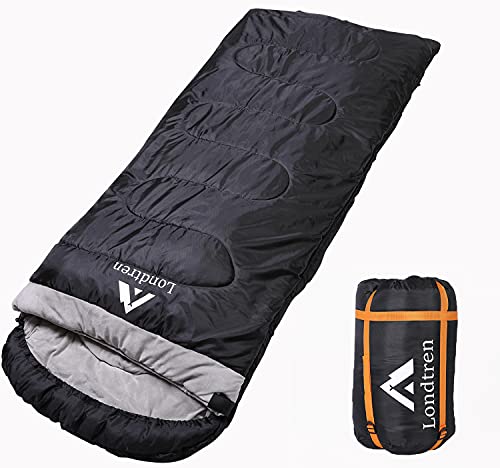
Londtren Large 0 Degree Sleeping Bags for Adults Cold Weather Sleeping Bag Camping Winter Below Zero 20 15 Flannel Big and Tall XXL

Browning McKinley -30° Sleeping Bag - Oversize Insulated Hooded Rectangle Made with Ripstop Outer and Brushed Polyester Liner, with Compression Stuff Sack, Charcoal/Gray
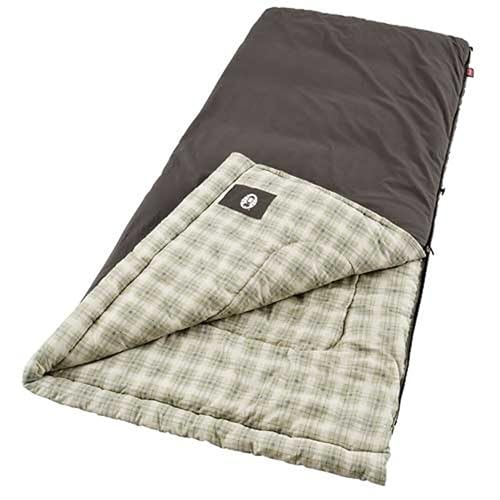
Coleman Heritage Big & Tall 10°F Flannel Sleeping Bag, XL Sleeping Bag Fits Adults up to 6ft 7in Tall, Machine Washable, Great for Camping, Hunting, Guests, & More

MEREZA 0 Degree Winter Sleeping Bag for Adults Kids with Pillow, Cold Weather Sleeping Bag for 4 Season Camping Hiking Backpacking Sleeping Bags for Big and Tall

Teton Celsius Regular, 0 Degree Sleeping Bag, All Weather Bag for Adults and Kids Camping Made Easy and Warm Stuff Sack Included

Coleman North Rim 0°F Sleeping Bag, Cold-Weather Mummy Sleep Sack | Large cold-weather sleeping bag with no snag zipper, adjustable hood, big & tall fit, ideal for camping
