
Ultimate Hiking Gear Guide
From backpacks and boots to navigation and safety — everything you need for a successful hike.
Your Adventure Starts with the Right Gear. Whether you're a day-hiker or planning a multi-day trek, having reliable equipment is non-negotiable. This guide covers the essential hiking gear categories, helping you make informed decisions for comfort, safety, and performance on the trail.
The Big Three: Backpack, Boots & Shelter
Hiking Backpacks
Your backpack is the foundation of your kit. Consider capacity (daypack 20-35L, multi-day 50-80L), fit, and suspension system. Look for adjustable torso length, padded shoulder straps, and a hip belt that transfers weight to your hips. Features like hydration-compatible ports and multiple access points add convenience.
$120 – $450
Hiking Boots & Shoes
Proper footwear prevents blisters and injuries. Choose between lightweight trail runners, mid-weight hiking shoes, or sturdy boots for ankle support. Key factors: waterproof/breathable membranes (Gore-Tex), tread pattern (Vibram), and a stiff sole for rocky terrain. Always break in new boots before hitting the trail.
$100 – $350
Shelter (Tents & Hammocks)
For overnight hikes, a lightweight shelter is essential. Ultralight tents (1-3 person) and trekking-pole tents are popular. For hammock camping, look for a durable hammock with an integrated bug net and a lightweight tarp. Consider weight, packed size, and ease of setup.
$150 – $600
Clothing & Layering System
Base Layer
Worn next to skin, the base layer manages moisture. Choose merino wool or synthetic fabrics that wick sweat and dry quickly. Avoid cotton, which retains moisture and can lead to chafing and hypothermia in cold conditions.
$40 – $120
Mid Layer (Insulation)
Traps body heat to keep you warm. Options include fleece jackets, synthetic puffy jackets, or down vests. Down offers the best warmth-to-weight ratio but loses insulation when wet, while synthetic performs better in damp conditions.
$80 – $300
Outer Shell (Rain/Wind)
Protects against wind, rain, and snow. Look for a waterproof and breathable jacket with fully taped seams. Features like pit zips and adjustable hoods add versatility. A durable water repellent (DWR) coating is important for shedding light rain.
$150 – $500
Accessories
- Hiking Pants: Convertible or lightweight, quick-dry fabrics.
- Socks: Merino wool or synthetic blend, avoid cotton.
- Hat & Gloves: Sun protection and warmth.
- Gaiters: Keep debris and snow out of boots.
Varies
Navigation & Safety Gear
Navigation Tools
- Map & Compass: Always carry a physical map and know how to use it.
- GPS Device / Smartphone: For convenience, but don't rely solely on electronics. Use offline maps.
- Altimeter Watch: Helps track elevation and predict weather changes.
$30 – $400
Safety Essentials
- First Aid Kit: Tailored for hiking (blister care, bandages, antiseptic).
- Emergency Shelter: Bivy sack or emergency blanket.
- Fire Starter: Waterproof matches, lighter, and fire-starting tool.
- Multi-tool / Knife: For gear repairs and food prep.
$50 – $200
Communication & Lighting
- Headlamp / Flashlight: Essential for early starts or night hiking. Look for red-light mode to preserve night vision.
- PLB / Satellite Messenger: For remote areas, consider a personal locator beacon or satellite communicator.
- Whistle: Simple, loud, and effective for signaling.
$20 – $350
Other Critical Hiking Gear
Hydration & Nutrition
- Water Bottles/Bladder: Aim for 2-3L capacity. Consider a water filter or purification tablets for natural sources.
- High-Energy Snacks: Trail mix, energy bars, jerky, and electrolyte tablets.
- Stove & Cookware: For hot meals, a lightweight stove and pot set are indispensable on multi-day hikes.
$40 – $200
Trekking Poles & Accessories
- Trekking Poles: Reduce knee impact, improve balance, and can be used to set up shelters.
- Sunglasses: Protect against UV rays, especially at high altitudes.
- Sunscreen & Lip Balm: Essential for sun protection.
- Repair Kit: For gear and clothing (patches, duct tape, sewing kit).
$30 – $200
Pro Tips & Pre-Hike Checklist
Before You Go
- Research the Trail: Know the distance, elevation gain, and weather forecast. Check for trail closures or permits.
- Test Your Gear: Set up your tent, test your stove, and pack your backpack to ensure a good fit and weight distribution.
- Share Your Itinerary: Always tell someone your route and expected return time.
- Pack the Ten Essentials: Navigation, headlamp, sun protection, first aid, knife, fire, shelter, extra food, extra water, and extra clothing.
Ready to Hit the Trail? The right hiking gear transforms a challenging hike into a safe and memorable adventure. Use this guide to evaluate your current equipment and identify upgrades that match your hiking style. Whether you are a day hiker or a seasoned backpacker, investing in high-quality, reliable gear is the first step to a successful outdoor experience.
Top-Rated Hiking Gear
⚠️ AFFILIATE DISCLOSURE: This website contains affiliate links. As an Amazon Associate, we earn from qualifying purchases. If you make a purchase through these links, we may receive a small commission at no additional cost to you. Read our full affiliate policy.

Mini First Aid Kit - 150 Piece Small Waterproof EVA Hard Shell Case

Survival Kit, 262Pcs Survival Gear and Supplies with First Aid Kit Pouch and Crossbody Bag, Emergency Kit with Tent, Camping Axe Hammer, Survival Shovel w/Pick, Bug Out Bag Gifts for Men Women

Smith & Wesson Accessories Extreme Ops SWA24S 7.1in S.S. Folding Knife with 3.1in Serrated Clip Point Blade and Aluminum Handle for Outdoor, Tactical, Survival and EDC

Bodyprox Patella Tendon Knee Strap 2 Pack, Knee Pain Relief Support Brace

Lightweight Hydration Backpack, Running Backpack with 2L Water Bladder

Repel 100 Mosquito & Insect Repellent 4 Oz, 98% DEET
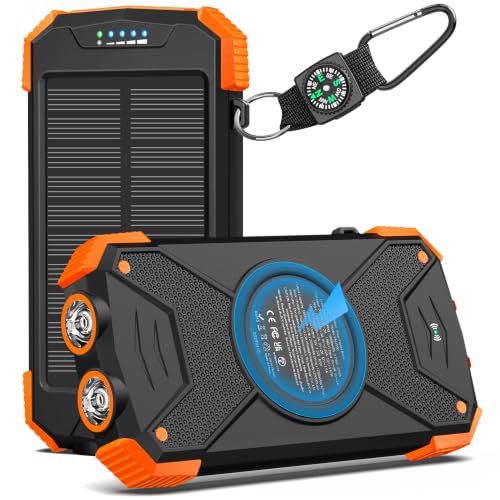
BLAVOR Solar Power Bank 10,000mAh Portable Wireless Charger for Cell Phones
