Gasoline Stove for Camping: The Ultimate Guide
Whether you're a weekend warrior or a seasoned backpacker, a reliable gasoline stove is the heart of your camp kitchen. This guide covers everything you need to know—from how they work to which model is right for you.
Shop Top Gasoline Stoves →Why a Gasoline Stove? Gasoline stoves (often called liquid fuel stoves) are the gold standard for serious campers. They burn hot, work at high altitudes, and perform in cold weather where propane stoves fail. Learn more about different camp stove types and find the perfect one for your adventures.
How a Gasoline Stove Works
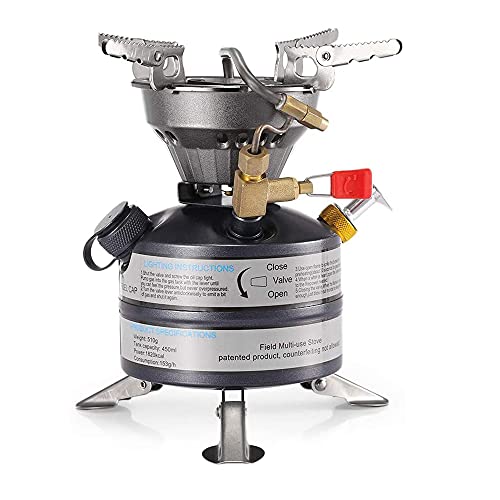
A gasoline stove operates by pressurizing a fuel bottle, sending liquid fuel through a tube to a burner where it's vaporized and mixed with air for a clean, blue flame. Most models use white gas (Coleman fuel) or unleaded gasoline. These stoves are known for their reliability and power, making them a favorite among backpackers and cold-weather campers.
Understanding the technology behind camp stoves helps you choose a model that fits your needs and maintenance comfort level.
Why Choose a Gasoline Stove?
🔥 High Heat Output
Gasoline stoves produce intense heat, boiling water faster than propane or butane, ideal for high-altitude and cold-weather camping.
⛰️ Altitude Performance
Unlike canister stoves, liquid fuel stoves maintain performance at high elevations and in freezing temperatures.
♻️ Fuel Availability
White gas is available at most camping stores, and many stoves can run on standard unleaded gasoline in a pinch—perfect for boondocking and remote trips.
💪 Durability
Built with metal components, gasoline stoves are rugged and field-serviceable, outlasting many other types of camp stoves.
Types of Gasoline Stoves
Gasoline stoves come in several configurations to suit different camping styles. Here are the most common types:
- Integrated Pump Stoves: The most popular design, with a built-in pump on the fuel bottle. Easy to prime and control. Perfect for car camping and base camps.
- Remote Feed Stoves: The burner connects to the fuel bottle via a hose. This setup is great for winter camping because you can invert the fuel bottle for liquid feed, improving cold-weather performance.
- Multi-Fuel Stoves: These stoves can burn white gas, unleaded gasoline, and sometimes even diesel or kerosene. Ideal for international travel and emergencies.
- Compact Backpacking Stoves: Lightweight and minimal, these stoves are designed for hikers who prioritize weight savings. They use the same pressurized fuel system but in a smaller, more portable package.
Gasoline Stove Comparison: Key Features
| Feature | Integrated Pump | Remote Feed | Multi-Fuel | Backpacking |
|---|---|---|---|---|
| Weight | ~1.5 lbs | ~1.8 lbs | ~2.0 lbs | ~0.8 lbs |
| Best Use | Car camping, family trips | Winter, high-altitude | World travel, emergency | Backpacking, solo |
| Boil Time (1L water) | ~3.5 min | ~4 min | ~3.8 min | ~4.5 min |
| Fuel Options | White gas, unleaded | White gas, unleaded | White gas, unleaded, diesel, kerosene | White gas only |
| Price Range | $80–$150 | $100–$200 | $150–$350 | $70–$130 |
Gasoline Stove Safety & Maintenance
Owning a gasoline stove requires a bit more care than a simple canister stove, but the rewards are worth it. Follow these essential safety and maintenance tips to keep your stove performing at its best:
🛡️ Safety First
Always prime your stove away from flammable materials. Use a campfire safety mindset with any open flame. Never refuel a hot stove—let it cool completely. Store fuel in approved containers away from your tent.
- Check O-Rings: The pump and fuel cap O-rings wear out. Replace them annually or if you notice fuel leaks.
- Clean the Burner: Carbon buildup can reduce efficiency. Disassemble and clean the burner tube and jet with a small brush or pipe cleaner.
- Use the Right Fuel: White gas is recommended for most stoves. If using unleaded gasoline, avoid ethanol blends which can damage the stove.
- Carry a Repair Kit: A small kit with extra O-rings, a cleaning tool, and a pump cup can save your trip.
Proper maintenance ensures your stove lasts for years. For more camping tips and gear care advice, explore our comprehensive guides.
Frequently Asked Questions
Is a gasoline stove better than propane?
It depends on your needs. Gasoline stoves excel in cold weather and high altitudes, while propane is simpler and cleaner for moderate conditions. Check our camping FAQ for more comparisons.
Can I use regular unleaded gasoline in my camp stove?
Yes, many stoves are designed to run on unleaded gasoline. However, white gas is cleaner and extends the life of your stove. Always check your stove's manual first.
How much fuel do I need for a weekend trip?
A typical gasoline stove consumes about 1 liter of fuel per day for cooking two meals and boiling water. Carry extra for safety.
Ready to Upgrade Your Camp Kitchen?
Browse our curated selection of top-rated gasoline stoves and find the perfect companion for your next outdoor adventure.
View Recommended Stoves ↓