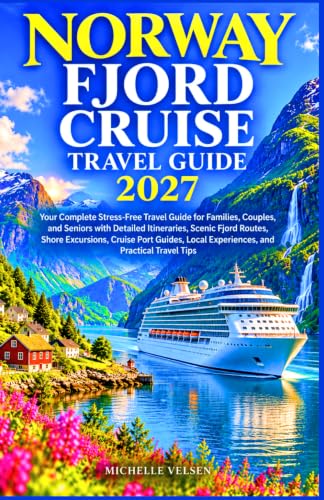
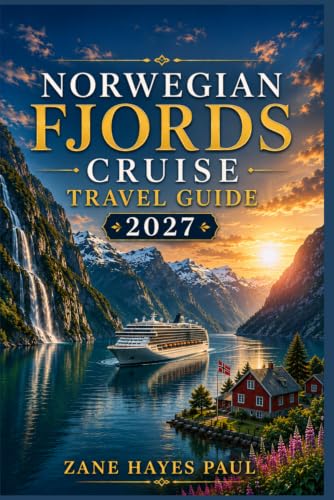
Fjords Cruise: The Complete Guide to Scenic Nordic & Alaskan Voyages
Everything you need to know before booking a fjords cruise — route comparisons, cabin selection, shore excursion planning, packing strategies, and expert tips for an unforgettable glacial adventure.
Start Planning Your VoyageWhat Exactly Is a Fjords Cruise?
A fjords cruise is a specialized voyage that navigates narrow, deep-water inlets carved by glacial activity over millennia. These waterways are flanked by steep mountain walls, often rising over a thousand meters directly from the sea. The two most popular regions for this type of cruising are the Norwegian fjords (particularly Geirangerfjord, Nærøyfjord, and Sognefjord) and the Alaskan fjords (including Glacier Bay, Tracy Arm, and Kenai Fjords).
What sets a fjords cruise apart from a typical Caribbean or Mediterranean sailing is the emphasis on scenic cruising — dedicated hours where the ship slows down and passengers gather on deck to witness waterfalls, wildlife, and calving glaciers. Many itineraries also include Zodiac boat excursions, kayaking, and guided hikes that get you closer to the landscape. If you enjoy outdoor adventure combined with comfortable accommodations, this style of travel may suit you better than a traditional beach-focused cruise. For those who prefer land-based adventures, exploring coastal campgrounds offers a different but equally rewarding perspective on fjord landscapes.
Nordic vs. Alaskan Fjords: Which Route Is Right for You?
Both regions deliver spectacular scenery, but they differ in climate, wildlife, accessibility, and overall vibe. Use the comparison below to narrow down your preference.
| Factor | Norwegian Fjords | Alaskan Fjords |
|---|---|---|
| Best Season | May – September (peak: June–August) | May – September (peak: June–July) |
| Climate | Mild summers, frequent rain, cool evenings | Cooler, more variable, chance of fog and drizzle |
| Signature Sights | Geirangerfjord, Nærøyfjord, Pulpit Rock, Briksdal Glacier | Glacier Bay, Hubbard Glacier, Tracy Arm, wildlife (whales, bears, eagles) |
| Wildlife | Seals, eagles, occasional whales | Humpback whales, orcas, brown bears, sea otters, puffins |
| Cruise Style | Mix of large ships and small expedition vessels | Primarily small to mid-size expedition ships |
| Shore Excursions | Hiking, kayaking, glacier walks, cultural tours | Zodiac tours, bear viewing, glacier hikes, fishing |
| Ideal For | Travelers who want scenery + culture + easy port access | Adventure-seekers focused on wildlife and remote wilderness |
If you are combining a fjords cruise with a broader vacation, you might also consider extending your trip with a Caribbean vacation or exploring other vacation places that complement a cool-weather itinerary.
Choosing the Right Cruise Line and Ship
Not all fjords cruises are created equal. The ship size dramatically affects your experience — larger vessels offer more amenities but cannot navigate the narrowest inlets, while smaller expedition ships get you closer to glaciers and wildlife but have fewer onboard facilities.
Large Resort Ships
These vessels carry thousands of passengers and offer Broadway-style entertainment, multiple dining venues, and spacious spas. They typically sail the broader fjords and anchor farther from shore, requiring tender boats to reach port. Best for travelers who prioritize onboard comfort and entertainment over intimate nature access.
Mid-Size Premium Ships
Carrying 500–1,500 guests, these ships balance amenities with access. They can enter many fjords that larger ships cannot, and they often include enrichment programs led by naturalists. This tier is widely considered the sweet spot for first-time fjords cruisers who want both comfort and scenery.
Small Expedition Vessels
With 50–300 passengers, these ships are purpose-built for remote exploration. They carry Zodiacs, kayaks, and sometimes submarines. You will get closer to glaciers and wildlife than any other option, but expect fewer dining choices and simpler cabins. Ideal for adventure-focused travelers.
When comparing cruise lines, look beyond the ship itself. Consider the line's reputation for expedition expertise, the ratio of guides to passengers, and whether shore excursions are included or sold separately. Some premium lines bundle excursions into the fare, which can simplify planning and reduce surprises. If you are also considering a land-based adventure before or after your cruise, look into overland camping options that let you explore the region at your own pace.
Cabin Selection: What Actually Matters
On a fjords cruise, your cabin is more than a place to sleep — it is your private viewing platform. Here is how to think about the main categories:
Interior Cabins
The most budget-friendly option. No windows, but often the same amenities as higher categories. Best for travelers who plan to spend most waking hours on deck or in public spaces. Keep in mind that on scenic cruising days, you will want to be outside anyway.
Oceanview Cabins
These cabins feature a window or porthole with a view of the sea. On fjords itineraries, an oceanview cabin lets you watch the scenery from the comfort of your room — a significant advantage on chilly or rainy days.
Balcony Cabins
A private balcony transforms the experience. You can step outside in your pajamas to photograph a waterfall or glacier without navigating crowded decks. For fjords cruises, this is the most popular category for good reason.
Suites & Premium Cabins
Larger living areas, priority boarding, and sometimes butler service. These are ideal for travelers who value space and personalized attention. The views are typically the same as balcony cabins, so choose based on comfort preferences rather than scenery.
A practical tip: if you are prone to motion sickness, choose a cabin midship and on a lower deck, where movement is minimized. If you prioritize views, aim for a higher deck — but be aware that higher decks can feel more motion in rough seas. For those who enjoy sleeping under the stars, a sleeping suit or a all-in-one sleeping bag and mattress can be useful for pre- or post-cruise camping extensions.
Shore Excursions: How to Choose Wisely
Shore excursions are where a fjords cruise truly comes alive. But with so many options, it is easy to overspend or overbook. Here is a framework for prioritizing:
- Must-Do Glacier walks and ice cave tours — These are the signature experiences of a fjords cruise. You will likely need to book early, as they sell out quickly. Dress in layers and wear sturdy waterproof boots.
- Highly Recommended Kayaking or Zodiac tours — These get you close to waterfalls and wildlife without the crowds. They are typically suitable for beginners, but check age and fitness requirements.
- Highly Recommended Scenic hikes — From Pulpit Rock in Norway to Alaskan rainforest trails, guided hikes offer a physical connection to the landscape that you cannot get from the ship.
- Optional Cultural and museum tours — These are worthwhile if you have an interest in local history, but they can be skipped if you prefer to maximize outdoor time.
- Optional Whale-watching boat tours — While you may see whales from the cruise ship, dedicated tours increase your chances significantly. Best booked in Alaska.
A common mistake is booking an excursion at every port. Fjords cruises are physically demanding, and you will want downtime to rest and enjoy the ship. Aim for one major excursion per day, and leave room for spontaneous exploration. If you are traveling with pets or planning a camping component, check out camping with dogs for tips on combining outdoor adventures with your cruise.
Packing for a Fjords Cruise: The Essential List
The weather in fjords regions can change rapidly — sunny one hour, misty and cold the next. Layering is the key to comfort. Here is what to prioritize:
Clothing Layers
- Moisture-wicking base layers (top and bottom)
- Insulating mid-layers (fleece or lightweight down)
- Waterproof and windproof outer jacket
- Waterproof pants for excursions
- Warm hat, gloves, and a scarf
- Sturdy waterproof hiking boots
Gear & Accessories
- Binoculars (essential for wildlife and scenery)
- Camera with zoom lens and extra batteries
- Power bank for charging devices
- Reusable water bottle
- Motion sickness remedies (if prone)
- Small daypack for shore excursions
Do not forget a swimsuit — many fjords cruises have hot tubs or saunas on board, and a soak while sailing past snow-capped peaks is unforgettable. For those who enjoy winter camping, a heated tent or sauna tent can extend your adventure on land. If you are planning a cold-weather extension, review our winter camping gear guide for additional recommendations.
Planning Your Budget: What to Expect
Fjords cruises span a wide range of price points. Rather than quoting specific figures that may become outdated, here is a tier-based framework to help you plan:
Budget-Friendly Options
Interior cabins on larger ships, self-guided shore exploration, and dining in the main complimentary restaurants. This tier is accessible for travelers who are flexible with cabin choice and prefer to spend on experiences rather than accommodations.
Mid-Tier Comfort
Balcony cabins on mid-size ships, a mix of included and paid excursions, and occasional specialty dining. This is the most common tier for first-time fjords cruisers who want a balance of comfort and value.
High-End & Luxury
Suites on expedition vessels, all-inclusive excursions, butler service, and premium dining. This tier is for travelers who want a seamless, highly personalized experience with maximum access to remote areas.
Keep in mind that additional costs can include gratuities, alcoholic beverages, specialty dining, spa treatments, and some shore excursions. Always read the fine print of your cruise fare to understand what is included. If you are comparing a fjords cruise to a land-based trip, our guide to camping vs glamping offers a useful perspective on value and experience.
Ready to Book Your Fjords Cruise?
Start by comparing itineraries from multiple cruise lines, then narrow down based on your preferred region, ship size, and budget tier. The earlier you book, the better your cabin selection — especially for balcony rooms and suite categories.
Browse Recommended GearFrequently Asked Questions
When is the best time to take a fjords cruise?
For Norwegian fjords, June through August offers the warmest weather and longest daylight hours — including the midnight sun. For Alaskan fjords, June and July provide the best wildlife viewing and calmest seas. May and September are shoulder seasons with fewer crowds but cooler temperatures and more unpredictable weather.
Do I need a balcony cabin for a fjords cruise?
While not strictly necessary, a balcony cabin significantly enhances the experience. Fjords cruising involves hours of scenic sailing, and having a private outdoor space lets you enjoy the views without competing for deck space. If a balcony is not in your budget, an oceanview cabin is the next best option.
Are fjords cruises suitable for families with children?
Yes, many cruise lines offer family-friendly fjords itineraries with kid-oriented shore excursions and onboard activities. However, expedition-style cruises on smaller ships may have age restrictions for certain activities like Zodiac tours or kayaking. Check with the cruise line before booking.
What should I pack for a fjords cruise?
Focus on layers: moisture-wicking base layers, insulating mid-layers, and a waterproof outer shell. Sturdy waterproof boots, a warm hat, gloves, and binoculars are essential. Do not forget a swimsuit for onboard hot tubs and a power bank for charging devices during long days ashore.
Can I combine a fjords cruise with camping?
Absolutely. Many travelers extend their trip with a pre- or post-cruise camping adventure. If you are camping in cold or wet conditions, review our winter camping safety guide and consider gear like a heated tent or winter sleeping bags. For those who prefer a more comfortable base, cabin camping offers a great middle ground.
How far in advance should I book a fjords cruise?
For the best cabin selection and pricing, book 6–12 months in advance. Popular summer sailings in Norway and Alaska sell out quickly, especially for balcony cabins and suites. If you are flexible with dates, booking closer to departure can sometimes yield last-minute deals, but selection will be limited.
Related reading: Explore camping destinations for land-based adventures, learn about beach camping for coastal getaways, or review first-time camping tips if you are new to outdoor travel.