Enclosed Trailer Camper: The Ultimate Conversion Guide
Transform a standard enclosed trailer into a fully functional camper. Learn about insulation, electrical systems, plumbing, layout design, and the essential gear you need for your mobile basecamp.
START YOUR CONVERSIONWhy Choose an Enclosed Trailer Camper? Enclosed trailer campers, often called cargo trailer conversions, offer a unique blend of versatility, durability, and customization. Unlike traditional RVs, they allow you to build a living space that perfectly matches your needs—whether you're a weekend warrior, a full-time nomad, or an outdoor enthusiast looking for a rugged basecamp. This guide will walk you through every stage of the conversion process.
What Is an Enclosed Trailer Camper?
An enclosed trailer camper is a standard cargo trailer that has been converted into a living space. These trailers are typically made of aluminum or steel and feature a rectangular box shape with a rear ramp or barn doors. The conversion process involves adding insulation, flooring, walls, a ceiling, electrical wiring, plumbing, and furnishings. The result is a durable, customizable, and often more affordable alternative to a traditional travel trailer.
Many enthusiasts start with a cargo trailer camper because of its simple, robust construction. Unlike a teardrop camper trailer, which has a fixed layout, an enclosed trailer offers a blank canvas. You can design the interior to include a bed, kitchenette, seating area, and even a bathroom. For those who appreciate vintage aesthetics, a retro travel trailer might be appealing, but an enclosed trailer gives you the freedom to create a modern, functional space from scratch.
Why Convert an Enclosed Trailer?
Customization
You control every aspect of the build. From the floor plan to the finishes, you can tailor the space to your exact needs.
Durability
Enclosed trailers are built to withstand tough conditions. They are often more rugged than standard RVs.
Cost-Effective
Converting a trailer can be more budget-friendly than buying a new RV, especially if you do the work yourself.
Versatility
Use it as a camper, a toy hauler, or a mobile workshop. The space can adapt to your changing needs.
Key Considerations Before You Start
Before diving into your conversion, it's important to plan carefully. Here are the main factors to consider:
| Factor | Details |
|---|---|
| Trailer Size | Choose between single or tandem axle. A 6x10 or 7x14 trailer is common for couples, while larger families may need a 8.5x20 or bigger. Consider your towing vehicle's capacity. |
| Insulation | Proper insulation is critical for temperature control. Use rigid foam boards for walls and ceiling, and spray foam for hard-to-reach areas. This is especially important if you plan to camp in winter camping conditions. |
| Electrical System | Plan for a 12V DC system for lights and fans, and a 120V AC system for appliances. You'll need a battery bank, an inverter, and a converter. Solar panels are a great addition for off-grid camping. Learn more about solar chargers for camping. |
| Plumbing | Decide if you want a simple water system with a sink and a portable toilet, or a full bathroom with a shower. A camping toilet and a camping shower can be integrated into your design. |
| Ventilation | Proper airflow is essential to prevent condensation and maintain air quality. Install roof vents and possibly a powered fan. |
| Layout | Plan your layout carefully. Consider the placement of the bed, kitchen, storage, and seating. A camping kitchen setup can be built into a countertop. |
Step-by-Step Conversion Guide
1. Planning & Design
Sketch your floor plan. Measure your trailer and decide where everything will go. Consider the weight distribution and ensure your towing vehicle can handle the load.
2. Insulation & Framing
Install insulation in the walls, ceiling, and floor. Frame out any interior walls or cabinets. Use moisture-resistant materials.
3. Electrical & Wiring
Run all electrical wiring before closing up the walls. Install a fuse box, battery, and outlets. If you're using a portable power station, plan its location.
4. Plumbing (If Applicable)
Install a fresh water tank, gray water tank, and a water pump. For a simple setup, use a camping kettle and a portable sink.
5. Flooring & Walls
Install your flooring of choice—vinyl, laminate, or even a rugged camping mat for a softer feel. Finish the walls with plywood or paneling.
6. Furnishings & Finishing
Build or install your bed, cabinets, and seating. Add a camping chair for outdoor relaxation. Don't forget a camping lantern for lighting.
Essential Gear for Your Enclosed Trailer Camper
Once your conversion is complete, you'll need to outfit it with the right gear. Here are some essentials:
Sleeping & Comfort
- A comfortable camping bed or camping cot
- Sleeping bags appropriate for the season
- Camping pillows for a good night's sleep
Cooking & Kitchen
- A camping stove or a single stove burner
- Camping cookware and utensils
- A camping cooler to keep food fresh
Power & Lighting
- A camping power bank for charging devices
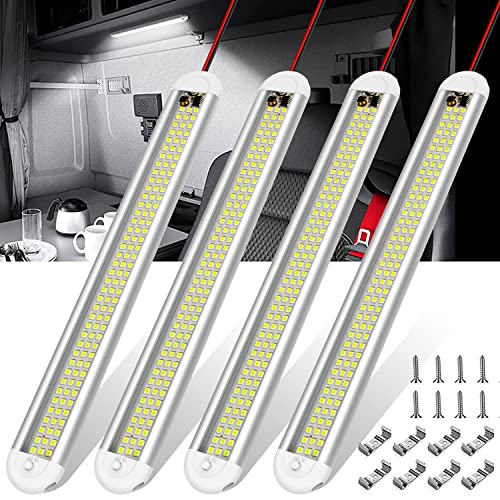
- Camping lanterns and camping lights
- A portable power station for larger appliances
Safety & Maintenance
- A well-stocked camping first aid kit
- A fire extinguisher (not in the list, but essential)
- Basic tools for repairs, like a camping tool kit
Enclosed Trailer Camper vs. Other Camping Options
| Feature | Enclosed Trailer Camper | Traditional RV | Tent Camping |
|---|---|---|---|
| Customization | High – fully customizable | Low – fixed layouts | High – choose your tent |
| Durability | High – built to last | Moderate – depends on model | Low – susceptible to weather |
| Cost | Varies – can be budget-friendly to luxury | Mid-range to luxury | Entry-level to premium |
| Setup Time | Quick – just park and level | Moderate – leveling and hookups | Long – pitching a tent |
| Comfort | High – depends on build | High – modern amenities | Low to moderate |
Tips for a Successful Conversion
Start with a Clear Plan
Draw out your layout and make a list of all materials needed. This will save you time and money.
Prioritize Insulation
Good insulation makes your camper usable in more seasons. Don't skip this step.
Keep Weight in Mind
Every material adds weight. Use lightweight materials where possible to stay within your towing capacity.
Test as You Go
Take your trailer on a short trip before finishing all the details. This helps you identify issues early.
Frequently Asked Questions
Is it legal to sleep in an enclosed trailer?
Yes, in most places, it is legal to sleep in an enclosed trailer as long as you are parked in a legal camping spot or on private property with permission. Always check local regulations. For more details, see our guide on can you camp anywhere.
How much does it cost to convert an enclosed trailer?
The cost varies widely depending on the size of the trailer and the materials you choose. You can build a basic camper with entry-level materials or go all out with a luxury build. We avoid specific numbers, but you can categorize your build as budget-friendly, mid-range, or premium.
Do I need a special license to tow an enclosed trailer camper?
In most cases, no. However, if your trailer exceeds a certain weight or size, you may need a special license or endorsement. Check with your local DMV.
Can I use an enclosed trailer camper in winter?
Yes, with proper insulation and a heat source, you can use your enclosed trailer camper in winter. Check out our winter camping gear guide for tips on staying warm.
What are the best internal links for more information?
For more details on specific topics, explore our guides on cargo trailer camper, teardrop camper trailer, and RV electrical hookup.