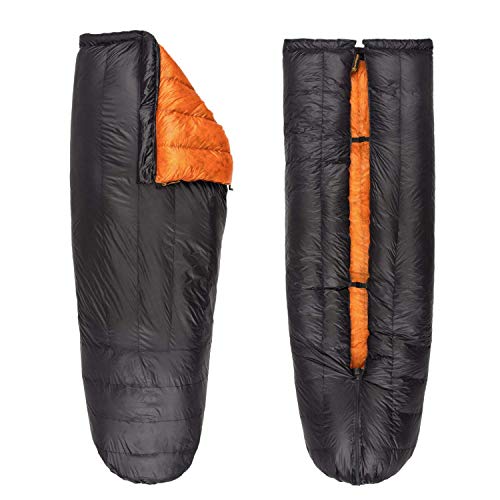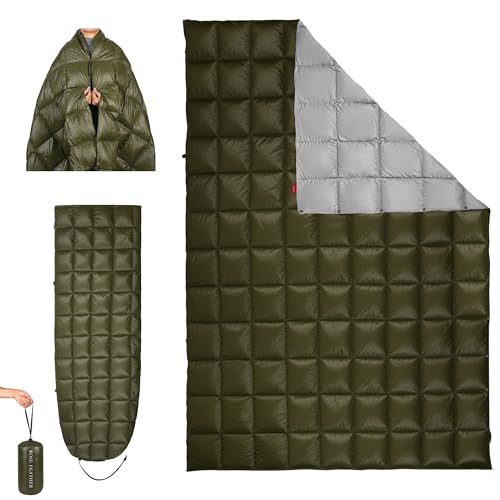
Down Quilt Insulated Pad: Ultimate Warmth for Cold Camping
Stay warm, sleep soundly, and enjoy the backcountry even in freezing temperatures. Your complete guide to choosing the best down quilt insulated pad.
A down quilt insulated pad is the gold standard for cold-weather camping and backpacking. Unlike traditional sleeping pads that rely solely on foam or air, these pads combine the luxurious warmth of down insulation with the comfort of an air mattress. Whether you're planning a winter camping trip in the Rockies or a cold-weather camping adventure, a down quilt pad ensures you stay insulated from the frozen ground.
In this guide, we break down everything you need to know—from R-values and construction materials to weight, packability, and durability. By the end, you'll be ready to choose the perfect pad for your next adventure.
Why Choose a Down Quilt Insulated Pad?
Superior Warmth
High R-values (4–6+) keep you warm below freezing. Down traps body heat exceptionally well.
Lightweight & Packable
Packs smaller than synthetic pads. Ideal for backpacking and multi-day treks.
Exceptional Comfort
Plush loft and customizable firmness. Sleep like you're on a cloud, even on rocky terrain.
Durable Construction
Ripstop nylon and water-resistant shells resist punctures and moisture.
What Makes a Great Down Quilt Pad?
Choosing the right down quilt insulated pad involves understanding a few key specs. Here’s what to look for:
- R-Value: The measure of thermal resistance. For winter camping, look for an R-value of 4.5 or higher. For three-season use, R-3.5 to 4.5 is ideal. Some premium pads offer R-values above 6 for extreme cold.
- Down Fill: Look for high-fill-power down (700+). Higher fill power means more loft and warmth per ounce. Some pads use a down-synthetic blend for better moisture resistance.
- Weight & Pack Size: Backpackers should aim for under 2 lbs (900g) and a pack size that fits inside a 40L pack. Many pads now pack down to the size of a water bottle.
- Construction: Welded baffles prevent down shifting. Horizontal or vertical baffles affect how the pad conforms to your body. Some pads feature a quilted top for extra comfort.
- Valve System: A reliable, multi-function valve allows for easy inflation and fine-tuning of firmness. Some pads include a pump sack or built-in pump to reduce moisture from your breath.
For side sleepers, look for pads with a thicker profile (3–4 inches) to prevent hip and shoulder contact with the ground. The best comfortable hiking sleeping pad often shares these features.
Top Down Quilt Pads Compared
We've analyzed the market to bring you the best down quilt insulated pads for every budget and need. Prices typically range from $180 – $450, with premium models offering the highest R-values and lightest weights.
- Exped DownMat Winter HL: R-value 5.2, 700-fill down, 23 oz. Excellent warmth-to-weight ratio. Ideal for deep winter trips.
- Therm-a-Rest NeoAir XTherm: R-value 6.9, synthetic insulation, 15 oz. Not down, but included for comparison—one of the warmest pads available.
- Sea to Summit Ether Light XT Insulated: R-value 3.5, down-synthetic blend, 17.5 oz. Great for three-season use with a plush 4-inch thickness.
- Nemo Tensor Insulated: R-value 3.5, synthetic, 15 oz. Quiet, comfortable, and packable. A favorite among thru-hikers.
- Big Agnes Q-Core Deluxe: R-value 4.5, synthetic, 27 oz. Thicker and more durable, ideal for car camping and basecamp use.
If you're looking for a versatile pad that works across seasons, the camping sleeping pad category offers many excellent options. For winter-specific needs, prioritize high R-values and reliable valve systems.
How to Use & Maintain Your Pad
To get the most out of your down quilt insulated pad, follow these tips:
- Inflation: Use a pump sack or the bag’s built-in pump to avoid introducing moisture from your breath, which can degrade down over time.
- Storage: Store your pad unrolled, with the valve open, in a cool, dry place. This preserves the down's loft.
- Cleaning: Spot clean with a mild soap and water. For deep cleaning, follow the manufacturer’s instructions—some pads are machine-washable on a gentle cycle.
- Repair: Carry a patch kit for punctures. Small holes can be fixed with a dab of seam sealer or a dedicated patch.
- Ground Sheet: While not always necessary, using a camping ground sheet or footprint can add an extra layer of protection against sharp objects.
Proper maintenance will extend the life of your pad and ensure it performs when you need it most.
Stay Safe & Sleep Warm
Even the best pad can't compensate for poor campsite selection or improper layering. Combine your down quilt pad with a quality camping sleeping bag and a sleeping bag liner for maximum warmth. In extremely cold conditions, consider pairing your pad with a closed-cell foam pad underneath for added insulation.
Always check the weather forecast and pack accordingly. For winter camping safety, ensure you have a reliable way to charge your devices and communicate in case of emergencies.
Finally, remember the Leave No Trace principles—even in winter. Pack out all trash, and avoid disturbing wildlife.