Glacier Camping: Ultimate Guide to Gear, Safety & Icy Adventures
Master the art of camping on or near glaciers. From essential cold-weather gear to glacier safety protocols, this guide covers everything you need for a successful and safe expedition into the ice.
Explore Glacier Gear❄️ Glacier Camping Defined: Camping on or adjacent to a glacier is one of the most challenging and rewarding outdoor experiences. It requires specialized gear, advanced planning, and respect for the dynamic icy environment. Whether you're trekking in Glacier National Park or exploring remote ice fields, this guide prepares you for the cold.
Why Glacier Camping? The Allure of the Ice
Camping near a glacier offers unparalleled views, pristine silence, and a profound connection to nature's raw power. The stark beauty of blue ice, towering seracs, and endless snowfields creates a surreal landscape. However, glacier camping is not for the faint-hearted. It demands physical stamina, technical knowledge, and the right winter camping gear.
For many, the reward is worth the risk. Waking up to the creak of moving ice, witnessing the ethereal glow of a glacier at sunrise, and knowing you've conquered a harsh environment—these are memories that last a lifetime. This guide will help you transition from a dreamer to a well-prepared glacier camper.
Essential Glacier Camping Gear
Glacier environments are extreme. Temperatures can plummet well below freezing, winds are fierce, and the terrain is unforgiving. Your gear must be up to the task. Here is the breakdown of non-negotiable items:
1. Four-Season Tent & Sleeping System
A winter tent is mandatory. These tents are designed to withstand heavy snow loads and high winds. Pair it with a winter sleeping bag rated to at least -20°F (-29°C) and an insulated sleeping pad with a high R-value. Do not underestimate the importance of a sleeping bag liner for extra warmth.
2. Layering System & Clothing
The layering clothing system is your best defense against the cold. Start with a moisture-wicking base layer, add an insulating mid-layer (fleece or down), and top with a waterproof and windproof outer shell. Don't forget winter boots with good traction, and always carry extra socks and gloves.
3. Cooking & Hydration
Standard camp stoves often fail in freezing temperatures. Use a camping stove designed for winter, such as a liquid-fuel stove. To get water, you'll need to melt snow for water, which consumes significant fuel. Insulated water bottles and thermoses are essential to prevent liquids from freezing.
4. Safety & Navigation Gear
Glaciers are dynamic and hazardous. A handheld GPS and satellite communicator are non-negotiable. Carry a camping first aid kit with supplies for cold-related injuries like frostbite and hypothermia. Emergency beacons (PLBs) can save your life in an emergency.
Glacier Camping Checklist
Use this checklist to ensure you haven't forgotten anything crucial:
- ✅ Shelter: 4-season tent, snow stakes, groundsheet
- ✅ Sleep: Winter sleeping bag (-20°F or lower), insulated sleeping pad, liner
- ✅ Clothing: Base layers, fleece/down mid-layers, waterproof shell, insulated boots, gaiters
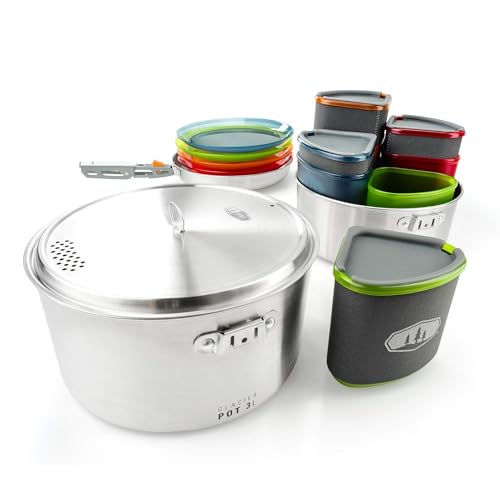
- ✅ Kitchen: Liquid-fuel stove, extra fuel, insulated pots, thermos, water bottles
- ✅ Navigation: GPS, compass, maps, satellite communicator, PLB
- ✅ Safety: First aid kit, crevasse rescue gear (rope, harness, prusiks), avalanche beacon, probe, shovel
- ✅ Lighting: Headlamp with extra batteries, camping lantern
- ✅ Misc: Sunscreen (glare off snow is intense!), glacier glasses, repair kit, high-energy snacks
Top Glacier Camping Destinations
While you can find glaciers on every continent, some locations are more accessible and popular for camping. Here are a few to consider:
- Glacier National Park, USA: Offers numerous backcountry campsites with stunning views of the remnants of ancient ice sheets.
- Winter Camping Canada: The Canadian Rockies boast massive icefields like the Columbia Icefield, with guided camping experiences available.
- Snow Camping Alaska: For the truly adventurous, Alaska's glaciers offer a wilderness experience like no other.
- Montana Wilderness: Beyond Glacier NP, Montana has numerous glaciers in the Bob Marshall Wilderness and other remote areas.
Always check camping regulations and obtain necessary camping permits before your trip. Many glacier areas require specific permits and have strict Leave No Trace guidelines.
How to Stay Warm While Glacier Camping
Staying warm is your primary challenge. Here are proven strategies:
- Eat and Hydrate: Your body needs fuel to generate heat. Eat high-fat snacks frequently and drink plenty of water.
- Layer Management: Avoid sweating. Vent your layers during physical activity to prevent moisture buildup, which can lead to chilling.
- Hot Water Bottle: Fill a Nalgene bottle with hot water and place it in your sleeping bag at night. This is a game-changer.
- Use a winter camping heater: In a well-ventilated tent, a portable heater can take the edge off the cold, but use it with extreme caution.
- Choose the Right Tent: A hot tent camping setup with a stove jack allows you to use a wood stove inside the tent, providing sustained warmth.
For more tips, read our complete guide on how to stay warm in winter.
Glacier Safety & Emergency Preparedness
Glaciers are inherently dangerous. Beyond the cold, you face risks like crevasses, icefalls, and sudden weather changes. Your survival depends on preparation and knowledge.
- Know the Terrain: Study the glacier's topography and identify potential hazards. Crevasses are often hidden by snow bridges.
- Travel with a Partner: Never camp on a glacier alone. A partner can assist in rescue and provide critical support.
- Emergency Communication: A satellite communicator or emergency beacon is your lifeline. Ensure it's fully charged and you know how to use it.
- Know the Signs: Learn to recognize symptoms of hypothermia and frostbite. Early detection is key.
- Weather Awareness: Monitor winter weather alerts closely. Storms can move in quickly and trap you.
Glacier Camping vs. Winter Camping
While they share similarities, glacier camping and winter camping are not the same. Winter camping often takes place in snowy forests or alpine meadows. Glacier camping occurs on ice, which introduces unique challenges:
- Glaciers are moving: The ice is constantly shifting, which can stress tent stakes and create new hazards.
- No natural shelter: You are exposed to the elements. There are no trees to block wind or provide firewood.
- Water scarcity: You must melt ice or snow for water, which is time-consuming and fuel-intensive.
- High altitude: Many glaciers are at high elevations, compounding the effects of cold and exertion.
Understanding these differences will help you choose the right location and gear for your adventure.
Final Thoughts: Embrace the Challenge
Glacier camping is the pinnacle of cold-weather adventure. It demands respect, preparation, and a spirit of exploration. By equipping yourself with the right camping gear, knowledge, and a safety-first mindset, you can unlock a truly unforgettable experience. Start with smaller glaciers, practice your skills, and gradually build up to more ambitious expeditions.
Remember, the goal is not just to survive, but to thrive. The pristine beauty and solitude of the ice are rewards that few get to experience. Ready to take the next step? Explore our curated selection of recommended glacier camping gear below.
Explore more: Camping Tips | Cold Weather Camping | Emergency Kit Essentials | Camping Itineraries