Climbing Store: Essential Gear & Equipment for Climbers
Your complete guide to climbing gear—from harnesses and ropes to cams, shoes, and safety equipment. Whether you're bouldering, sport climbing, or trad climbing, find the right gear for your vertical adventures.
EXPLORE CLIMBING GEARWhy Trust This Climbing Store Guide? Climbing is a gear-intensive sport where safety and performance depend on choosing the right equipment. This guide breaks down every essential category—helping you understand what you need, how to evaluate quality tiers, and what to look for before making a purchase. Whether you're building your first rack or upgrading your kit, start here.
Essential Climbing Gear Categories
Every climber's kit is built from a few core categories. Understanding each one helps you make informed decisions whether you're shopping at a climbing store or online.
Climbing Harnesses
The harness is your connection to the rope—and your lifeline. A well-fitted harness distributes weight comfortably during falls and hangs, while offering gear loops for your rack.
- Entry-level: Basic padding, fewer gear loops, ideal for gym climbing
- Mid-range: Better padding, adjustable leg loops, more gear loops
- Premium: Lightweight materials, ergonomic design, multiple gear loops
Look for UIAA or CE certification. Replace after 5–10 years or after any significant fall.
Climbing Ropes
Ropes are your most critical safety equipment. Different climbing styles require different rope types—dynamic for lead climbing, static for top-rope setups and rappelling.
- Dynamic ropes: Stretch to absorb fall energy (sport, trad, gym)
- Static ropes: Minimal stretch for hauling, rappelling, top-rope anchors
- Dry-treated: Essential for ice climbing and wet conditions
Consider diameter (9.5mm–10.5mm for lead), length (60m–80m for most crags), and UIAA fall rating.
Climbing Shoes
Shoes are your interface with the rock. The right pair balances edging power, smearing ability, and comfort for your climbing style.
- Neutral (flat): All-day comfort, ideal for beginners and crack climbing
- Moderate (slight downturn): Versatile for sport and trad
- Aggressive (downturned): Maximum edging power for steep sport routes
Fit should be snug but not painful. Leather stretches; synthetic holds its shape. Consider a camping clothes approach for layering.
Belay Devices & Carabiners
Belay devices control rope friction during catches and lowers. Carabiners connect every piece of your system—choose locking types for critical connections.
- Tube-style: Lightweight, versatile for belaying and rappelling
- Assisted-braking: Extra safety for beginners and gym use
- Locking carabiners: Screwgate, twist-lock, or magnetic for security
- Non-locking: For quickdraws and racking gear
Always check carabiner ratings (kN) and replace after any significant wear or drop.
Protection: Cams, Nuts & Hexes
For trad climbing, protection gear is placed in cracks and rock features to catch falls. Building a rack is an investment—start with the essentials.
- Spring-loaded cams: Versatile, easy to place, cover wide range of cracks
- Nuts (stoppers): Lightweight, passive protection for constrictions
- Hexes: Niche but useful for larger cracks and weird placements
Start with a single set of cams and nuts. Learn placement techniques before relying on gear.
Quickdraws & Slings
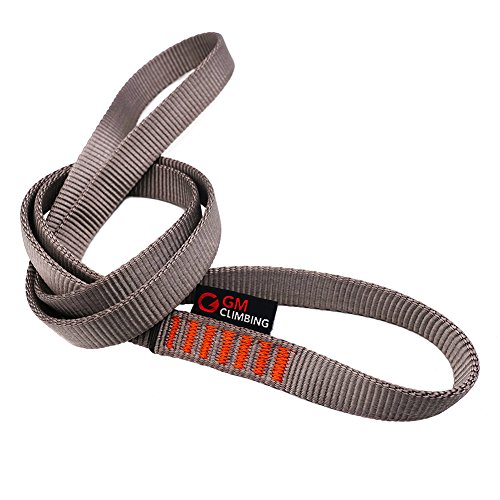
Quickdraws connect your rope to protection on sport routes. Slings (runners) extend placements and reduce rope drag on wandering trad routes.
- Sport quickdraws: 12cm–18cm dogbones, wiregate or solid gate
- Trad quickdraws: Longer, with flexible slings for rope drag management
- Slings: Nylon or Dyneema, 60cm–120cm for anchors and extensions
Carry at least 12–16 quickdraws for sport climbing. Inspect slings for wear after every session.
Chalk & Chalk Bags
Chalk keeps your hands dry and improves grip. A good chalk bag stays open for easy access, seals well when not in use, and attaches securely to your harness.
- Loose chalk: Traditional, easy to apply
- Chalk balls: Less mess, longer-lasting, ideal for gyms
- Chalk bags: Belt-loop attachment, fleece lining, brush holders
Consider a lightest daypack for carrying your chalk and shoes to the crag.
Climbing Helmets
Helmets protect against falling rock, gear, and impacts during falls. Modern helmets are lightweight, well-ventilated, and comfortable enough for all-day wear.
- Foam (EPS): Lightweight, single-impact protection
- Hybrid (EPS + EPP): Multi-impact, more durable
- Hard shell (ABS): Durable, heavier, good for alpine
Replace after any significant impact. Check UIAA or CE certification.
Climbing Gear Quality Tiers Explained
When shopping at a climbing store, you'll encounter gear across different quality tiers. Here's how they compare.
| Category | Entry-Level | Mid-Range | Premium | Luxury |
|---|---|---|---|---|
| Harnesses | Basic padding, fewer gear loops | Adjustable leg loops, more gear loops | Lightweight, ergonomic, multiple loops | Ultra-light, premium materials |
| Ropes | Standard diameter, shorter lengths | Dry-treated, versatile diameters | Lightweight, high fall ratings | Specialized alpine or performance ropes |
| Shoes | Neutral, comfortable, flat | Moderate downturn, versatile | Aggressive downturn, high performance | Custom-fit, premium materials |
| Protection | Basic nuts, entry cams | Full set of nuts, mid-range cams | Lightweight cams, full rack | Ultra-light, specialized rack |
| Carabiners | Basic locking, standard gate | Wiregate, smooth action | Lightweight, high-strength | Specialized, premium finishes |
How to Choose the Right Climbing Gear
1. Identify Your Climbing Style
Different climbing disciplines demand different gear. Bouldering requires shoes and chalk; sport climbing adds rope, quickdraws, and harness; trad climbing requires a full rack of protection. If you're also into bikepacking tents, consider how your climbing gear fits into multi-sport adventures.
2. Prioritize Safety Certifications
Always look for UIAA (International Climbing and Mountaineering Federation) or CE (European) certification on harnesses, ropes, carabiners, and protection. These certifications ensure the gear meets rigorous safety standards. For related outdoor safety, see wilderness first aid.
3. Consider Durability & Weight
Lighter gear costs more but reduces fatigue on long approaches. For multi-pitch or alpine climbing, weight savings matter. For gym climbing, durability and comfort often take priority. If you're also backpacking, look for gear that doubles up efficiently.
4. Try Before You Buy
Harnesses and shoes must fit your body. Visit a local climbing store or gym to try on gear. Many retailers offer rental or demo programs. For camping-related gear, consider camping company recommendations from experienced climbers.
5. Build Your Rack Gradually
You don't need everything at once. Start with the essentials for your style, then add specialized gear as your skills progress. For general outdoor gear, check outdoor shops and hike supply resources.
6. Maintain & Inspect Regularly
Retire ropes after major falls or 5–10 years. Inspect slings for fraying, carabiners for gate function, and harnesses for wear. Proper maintenance extends gear life and ensures safety. See camping FAQ for more maintenance tips.
Ready to Build Your Climbing Rack?
Explore our recommended climbing gear below—curated for quality, safety, and performance. Whether you're just starting or upgrading your kit, find the right gear for your next ascent.
VIEW RECOMMENDED GEARFrequently Asked Questions About Climbing Gear
What essential gear do I need for starting climbing?
For gym climbing: harness, climbing shoes, chalk bag, and a belay device. For outdoor sport climbing: add a rope, quickdraws, and a helmet. For trad climbing: add a rack of cams and nuts. Start with the basics and expand as your skills grow. If you're also into camping, see camping essentials for overlap.
How do I know which climbing shoe size to buy?
Climbing shoes should fit snugly with toes slightly curled for performance, but not painfully tight. Leather shoes stretch over time; synthetic shoes hold their shape. Try multiple brands—each has a different fit profile. For related footwear, see winter boots camping.
How long do climbing ropes last?
With regular use, a dynamic rope lasts 3–5 years. Retire immediately after a severe fall, visible core damage, or excessive sheath wear. Store ropes in a cool, dry place away from sunlight and chemicals. For related safety, see campfire safety rules.
What's the difference between sport and trad climbing gear?
Sport climbing uses permanently installed bolts—you need quickdraws and a rope. Trad climbing requires you to place your own protection (cams, nuts) and build anchors. Trad racks are more extensive and require more skill to place safely. For related outdoor skills, see wilderness first aid.
Do I need a helmet for climbing?
Yes—helmets are strongly recommended for outdoor climbing, especially trad and multi-pitch routes where rockfall is a risk. Modern helmets are lightweight and comfortable enough for all-day wear. For related head protection, see first aid for camping.
Related Outdoor & Climbing Resources
Expand your outdoor skills and gear knowledge with these related guides: