Fishing Supplies: The Ultimate Guide to Angling Gear
Discover everything you need to know about choosing the right fishing supplies, from rods and reels to tackle and accessories for a successful day on the water.
START EXPLORINGCampLifeEssentials Angler Philosophy: Successful fishing begins with reliable, well-chosen supplies. Whether you are a beginner or a seasoned angler, understanding your gear is the first step to a great catch.
Understanding the Core of Fishing Supplies
Fishing supplies encompass a wide range of equipment, each designed for a specific purpose. The foundation of any angler's kit includes a rod, reel, fishing line, hooks, and bait or lures. However, the modern market offers an extensive array of specialized tools that can enhance your experience. Before diving into specific categories, it is helpful to understand that entry-level gear is often sufficient for casual anglers, while mid-range and premium equipment provide greater durability, precision, and performance for enthusiasts and professionals.
When selecting your supplies, consider the type of fishing you plan to do. Are you casting from a beach, fishing from a boat, or trying your luck at a lake? Each environment demands different gear characteristics. Furthermore, organizing your supplies is crucial. A well-stocked mess kit for your catch and a sturdy fishing cart to haul your gear can make a significant difference in your overall enjoyment.
Choosing the Right Fishing Rod
The fishing rod is your primary tool, acting as an extension of your arm. Rods are classified by power (ultralight to heavy), action (fast to slow), and length. For beginners, a medium-power, fast-action rod is versatile and forgiving. Mid-range rods often feature better guides and reel seats, offering smoother casting. Premium rods use advanced materials like graphite, making them lighter and more sensitive.
Your choice of rod should match your target species and technique. For instance, a lightweight setup is ideal for trout, while a heavy-duty rod is necessary for large catfish or saltwater species. Always pair your rod with a compatible reel to ensure balance and performance.
Fishing Reels: The Heart of Your Setup
Reels come in several types: spinning, baitcasting, and spincasting. Spinning reels are the most popular for beginners due to their ease of use. Baitcasting reels offer greater accuracy and power for experienced anglers, while spincasting reels are a simple, closed-face option for casual use. The quality of a reel's drag system is a key differentiator between tiers. Entry-level reels have basic drags, whereas mid-range and premium reels feature smoother, more durable drag systems that can handle powerful fish.
Maintenance is essential to prolong the life of your reel. Regular cleaning and lubrication, especially after saltwater exposure, will keep it functioning smoothly. For those who enjoy winter camping, be aware that cold temperatures can affect reel performance, so proper care is even more critical.
Essential Tackle and Accessories
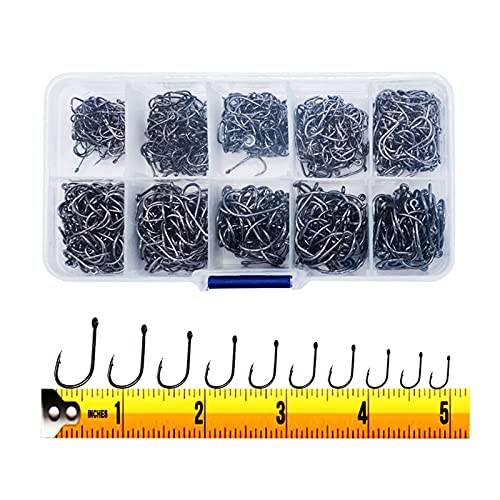
Your tackle box is a treasure chest of possibilities. It should contain a variety of hooks, sinkers, swivels, and lures. Soft plastic baits, crankbaits, and spinnerbaits are staples for many anglers. The choice of lure depends on the water clarity, light conditions, and the species you are targeting. A mid-range tackle assortment provides a good balance of quality and variety, allowing you to adapt to changing conditions.
Beyond lures, consider other accessories that enhance your efficiency and safety. A pair of polarized sunglasses (jika ada di daftar) reduces glare and protects your eyes. Line clippers, hook removers, and a reliable landing net are also indispensable. For those who practice catch-and-release, a rubberized net is gentler on the fish. Always check local fishing regulations (jika ada) to ensure you are compliant with the rules.
Safety and Comfort on the Water
Fishing is a relaxing sport, but safety should never be compromised. A personal flotation device (PFD) is mandatory when on a boat, and it is wise to have one even when fishing from shore in uncertain conditions. A basic first aid kit, such as a camping first aid kit, is essential for treating minor cuts and hooks. Additionally, be prepared for changing weather by packing appropriate camping clothes and hiking clothes.
Comfort is key to a long, enjoyable day. A portable chair or a camping chair can provide a comfortable spot to rest. If you plan to fish near your campsite, integrating your fishing trip with a camping adventure is a wonderful idea. Just be sure to follow Leave No Trace principles and be mindful of wildlife. For instance, if you are in bear country, follow food storage rules to keep your catch and bait secure.
Organizing and Storing Your Fishing Supplies
Proper organization extends the life of your gear and makes your trips more efficient. A dedicated tackle bag or box with compartments for different lure types is a good start. For larger items, a tent storage bag or a camping backpack can be repurposed for carrying rods and reels. If you are an overlander or car camper, a camper topper or tent box can provide secure storage for your fishing equipment during transit.
After each trip, rinse your gear with fresh water, especially if you fished in saltwater, and allow it to dry completely before storing. This simple routine prevents corrosion and keeps your supplies ready for the next adventure.
If you are new to combining fishing with camping, you might find our Camping FAQ helpful. It covers common questions that can make your first outdoor fishing trip smoother.