Ultimate Hiking Clothes Guide
Stay comfortable, dry, and protected on every trail. Expert advice on fabrics, layering, and the best gear for any season.
Why Your Hiking Clothes Matter: The right apparel can make the difference between a memorable adventure and a miserable experience. Proper hiking clothes regulate temperature, wick moisture, and protect you from the elements, allowing you to focus on the beauty of nature.
The Three-Layer System
The foundation of any good hiking wardrobe is the layering system. Each layer serves a distinct purpose, and when combined, they provide versatility for changing conditions on the trail.
Base Layer (Next-to-Skin)
Purpose: Moisture management and temperature regulation. This layer wicks sweat away from your skin to keep you dry and comfortable.
Best Materials: Merino wool, synthetic fabrics (polyester, nylon). $50–$120
- Merino wool: natural odor resistance, warm even when damp
- Synthetic: dries quickly, durable, affordable
- Avoid cotton – it retains moisture and causes chafing
Mid Layer (Insulation)
Purpose: Traps body heat to keep you warm. This layer is your primary insulation against cold temperatures.
Best Materials: Fleece, lightweight down, synthetic insulation. $80–$250
- Fleece: breathable, warm, affordable
- Down: excellent warmth-to-weight ratio (not for wet conditions)
- Synthetic insulation: retains warmth when wet, dries fast
Outer Layer (Shell)
Purpose: Protection from wind, rain, and snow. This is your shield against the elements, while still allowing moisture to escape.
Best Materials: Gore-Tex, waterproof/breathable membranes, softshells. $150–$500
- Hard shell: fully waterproof, breathable, best for heavy rain
- Soft shell: water-resistant, stretchy, breathable, ideal for active hiking
- Look for pit zips for ventilation and adjustable hoods
Essential Hiking Apparel
Beyond the layering system, here are the specific clothing items every hiker should consider. Choosing the right pieces can significantly impact your comfort and performance.
Hiking Pants & Shorts
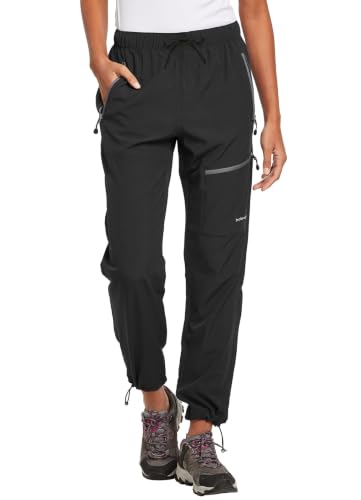
Features: Stretch, durability, quick-dry fabric, UPF protection, zip-off legs for versatility.
Price range: $60–$150
- Convertible pants: 2-in-1 for warm days
- Soft-shell pants: stretchy, wind-resistant
- Lightweight shorts: for hot weather hikes
Hiking Shirts
Features: Moisture-wicking, breathable, UPF protection, odor-resistant.
Price range: $40–$100
- Short-sleeve: for warm climates
- Long-sleeve: sun protection, bug barrier
- Hooded shirts: extra neck and head coverage
Hiking Jackets
Features: Waterproof/breathable, insulated, packable, adjustable cuffs and hood.
Price range: $120–$400
- Rain jacket: lightweight, packable, essential for all hikes
- Insulated jacket: for cold-weather hiking
- Windbreaker: for breezy conditions
Hiking Socks & Footwear
Features: Moisture-wicking, cushioning, blister prevention, seamless toes.
Price range: $15–$30 per pair
- Merino wool socks: warm, odor-resistant
- Liner socks: reduce friction, prevent blisters
- Waterproof socks: for wet conditions
Gear Up for the Trail
Hats & Gloves
Protect your extremities. A wide-brimmed hat for sun protection and a beanie for cold weather are must-haves. Gloves should be touchscreen-compatible and provide insulation without sacrificing dexterity.
$20–$70
Backpacks & Hydration
Your backpack should fit comfortably and have a hydration reservoir or bottle pockets. Look for features like a hip belt, sternum strap, and ventilation.
$80–$300
Explore our camping backpack guide for more options.
Seasonal Hiking Clothes
Summer Hiking
Focus on lightweight, breathable, and UV-protective fabrics. Choose moisture-wicking shirts, shorts, and a sun hat. Don't forget a light rain shell for sudden showers.
Check our camping clothes for warm-weather essentials.
Winter Hiking
Layering is critical. Use a merino wool base, thick fleece mid, and a waterproof insulated shell. Add insulated pants, gloves, a balaclava, and warm socks. Consider winter camping gear for extreme conditions.
$200–$600 for full winter setup
Spring & Fall Hiking
These shoulder seasons require versatility. Layer up with a moisture-wicking base, a fleece mid, and a waterproof shell. Pack extra layers in case temperatures drop.
See our hiking store for seasonal deals.
Rainy Conditions
A reliable waterproof jacket and pants are non-negotiable. Look for fully taped seams and breathable membranes. Waterproof socks and a backpack cover are also smart additions.
Learn about camping tarp for shelter.
Fabric Technologies Explained
- Merino Wool: Natural temperature regulation, odor resistance, soft next-to-skin feel. Excellent for base layers.
- Polyester/Nylon: Durable, quick-drying, and affordable. Often blended with spandex for stretch.
- Gore-Tex: Waterproof, windproof, and breathable. Ideal for outer shells.
- Fleece: Lightweight, warm, and breathable. A classic mid-layer material.
- Down: Superior warmth-to-weight ratio, but loses insulation when wet. Best for dry, cold conditions.
- Synthetic Insulation: Retains warmth even when wet, dries quickly. Good for damp climates.
Sizing & Fit Tips
How Should Hiking Clothes Fit?
- Base Layer: Snug but not tight. Should hug your skin to wick moisture effectively.
- Mid Layer: Comfortable with room for a base layer underneath. Not restrictive.
- Outer Layer: Enough room to fit over mid layers without bulk. Allows full range of motion.
- Pants: Relaxed fit with stretch. Should allow for high steps and squatting.
Common Fit Mistakes
- Wearing cotton – retains moisture and causes chafing.
- Too tight – restricts movement and reduces insulation.
- Too loose – creates cold spots and reduces efficiency.
- Forgetting to layer properly for changing weather.
FAQs About Hiking Clothes
- Q: Can I wear cotton for hiking? – No. Cotton retains moisture and stays wet, leading to chafing and hypothermia risks. Opt for merino wool or synthetics.
- Q: What is the best fabric for hiking in summer? – Lightweight, breathable synthetics like polyester or nylon with UPF protection. Merino wool is also great.
- Q: How many layers do I need for winter hiking? – At least three: base, mid, and outer. Adjust based on activity level and weather.
- Q: Is expensive hiking gear worth it? – High-quality gear often uses better materials, lasts longer, and performs better in extreme conditions. However, there are good budget options too.
- Q: How do I wash hiking clothes? – Use mild detergents, avoid fabric softeners, and air dry when possible to extend the life of technical fabrics.
Ready to upgrade your hiking wardrobe? Explore our curated selection of top-rated gear.
Shop Hiking Clothes