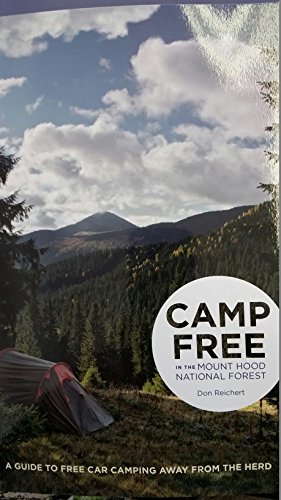
Camping in National Forests: Your Complete Guide
Discover the freedom of camping in America's national forests. From free dispersed camping to family-friendly campgrounds, learn everything you need for an unforgettable outdoor adventure.
Explore Essential Gear →Camping in national forests offers a unique blend of solitude, natural beauty, and affordability. Unlike crowded national parks, national forests often allow dispersed camping—meaning you can pitch your tent almost anywhere as long as you follow basic rules. Whether you're a first-time camper or a seasoned outdoors enthusiast, this guide covers permits, safety, gear, and best practices to help you plan a responsible and memorable trip.
🌿 Why Choose National Forests?
More freedom, fewer crowds. National forests span over 193 million acres across 43 states. They offer everything from remote backcountry sites to developed campgrounds with amenities. Plus, many areas are free to camp—ideal for budget-conscious adventurers. Just remember to Leave No Trace and respect wildlife.
📋 Rules & Permits
Before you go, check the specific forest's website for fire bans, trail closures, and permit requirements. In many forests, dispersed camping is free and does not require a permit, but group size limits (usually 8–10 people) and stay limits (typically 14 days) apply.
- Permits: Some high-use areas (e.g., camping in national forests near popular trails) may require a free or low-cost permit.
- Campfire rules: Always check fire restrictions. Use existing fire rings when possible.
- Food storage: In bear country, use bear-proof containers or hang food properly.
- Quiet hours: Most forests enforce quiet hours from 10 PM to 6 AM.
📌 Pro tip: Download offline maps before you lose signal.
📍 Finding Your Spot
- Use MVUM (Motor Vehicle Use Maps) to find legal roads for dispersed camping.
- Look for designated campsites with existing fire rings to minimize impact.
- Avoid camping within 100 feet of water sources (lakes, streams).
- Arrive early (before 2 PM) to secure a spot on weekends.
- Check for wildfire danger and weather forecasts before you go.
🔗 Explore camping destinations and state park camping for more ideas.
Essential Gear for National Forest Camping
Packing the right gear makes all the difference. Here's what you need for a safe, comfortable, and enjoyable experience in the backcountry or at a developed site.
Tent & Shelter
Choose a tent suitable for the season. For windy or rainy conditions, consider a tent for two persons or a good pop-up tent for quick setup.
Sleep System
A quality sleeping bag and pad are crucial. For winter trips, check sleeping bag in winter and all-in-one sleeping bag and mattress options.
Cooking
A reliable stove is essential. Explore propane gas stove outdoor or gas burner stove portable for easy meal prep.
Light & Power
Stay visible and charge devices. Consider camping lantern and solar chargers camping for eco-friendly power.
Safety & First Aid
Be prepared for emergencies. Read emergency preparedness camping and pack a camping first aid kit.
Understanding Permits & Fees
While many national forests allow free dispersed camping, some areas require permits or charge fees. Here's a quick overview:
| Type of Use | Permit Required? | Typical Cost | Notes |
|---|---|---|---|
| Dispersed Camping | ✅ Usually no | Free | Check local restrictions; 14-day limit common. |
| Developed Campgrounds | ✅ Reservation recommended | $10–$30/night | Often have toilets, fire rings, and water. |
| Group Camping | ✅ Often required | $25–$100 | For groups > 8 persons; contact ranger station. |
| Backcountry Permits | ✅ Required in some forests | Free or $5–$20 | For overnight stays in wilderness areas. |
| Special Use (e.g., events) | ✅ Required | Varies | Contact the forest service office. |
📌 Always check the official forest website or call the ranger station for the most current information.
Top National Forests for Camping
🏔️ White Mountain NF
New Hampshire – Great for hiking, fall colors, and scenic drives.
🌲 Tongass NF
Alaska – Largest national forest, perfect for remote wilderness.
🏜️ Coconino NF
Arizona – Near the Grand Canyon, with pine forests and red rocks.
💧 Superior NF
Minnesota – Lakes, boreal forests, and excellent canoeing.
🏞️ Pisgah NF
North Carolina – Waterfalls, mountain biking, and biodiversity.
🌅 Mt. Hood NF
Oregon – Stunning views, alpine lakes, and wildflowers.
♻️ Leave No Trace: 7 Principles for National Forest Camping
- Plan ahead and prepare
- Travel and camp on durable surfaces
- Dispose of waste properly (pack it in, pack it out)
- Leave what you find
- Minimize campfire impacts
- Respect wildlife
- Be considerate of other visitors
🌿 Remember: National forests are shared spaces. Help preserve them for future generations.
Ready for Your National Forest Adventure?
Check the gear below, pack your bags, and head out to explore the vast, wild beauty of America's national forests.
Shop Recommended Gear →