Camping Hammock with Mosquito Net and Rainfly: The Complete Guide
Discover how to sleep comfortably, bug-free, and dry in any weather. Learn setup tips, essential features, and top considerations before you buy.
START YOUR RESEARCHWhy a Hammock with Net and Rainfly? A camping hammock with a built-in mosquito net and rainfly combines shelter, comfort, and protection in one lightweight package. It frees you from uneven ground, keeps you off the damp forest floor, and shields you from insects and rain—all while letting you sleep under the stars when the weather is clear.
What Is a Camping Hammock with Mosquito Net and Rainfly?
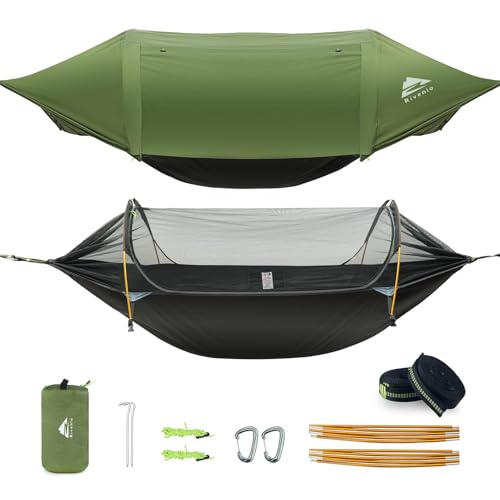
A camping hammock with a mosquito net and rainfly is a complete sleep system designed for outdoor adventures. Unlike a basic hammock, this integrated setup includes:
- Hammock body: The main fabric bed that supports your weight, typically made from durable, breathable nylon or polyester.
- Integrated mosquito net: A fine mesh canopy that zips or ties closed around you, preventing mosquitoes, gnats, and other biting insects from reaching you while you sleep.
- Rainfly (tarp): A separate or sometimes integrated waterproof canopy that suspends above the hammock, protecting you from rain, wind, and occasional debris.
- Suspension system: Tree straps, whoopie slings, or carabiners that allow you to hang the hammock securely between two trees without damaging the bark.
This all-in-one approach is popular among backpackers, campers, and anyone who wants a lightweight, versatile shelter. When you're ready to explore other camping sleep solutions, you might also consider a sleeping bag with mosquito net for adults or a hammock with mosquito net and rain cover for different setups.
Why Choose a Hammock with Net and Rainfly?
✅ Advantages
- Comfort: Sleeping in a hammock can be more comfortable than on the ground, especially for side sleepers.
- Bug protection: The integrated net keeps insects away without chemical repellents.
- Weather protection: A rainfly keeps you dry during unexpected showers.
- Lightweight & compact: Many models pack down small and weigh less than a tent.
- Versatility: Use it for camping, hiking, festivals, or even in your backyard.
- No ground space needed: Perfect for rocky, muddy, or uneven terrain.
⚠️ Considerations
- Requires trees: You need two sturdy anchor points, which may not be available in some campsites.
- Learning curve: Getting the hang angle and setup right takes practice.
- Insulation: Cold air circulates underneath, so you may need an underquilt in cooler weather.
- Limited space: Not ideal for those who prefer to spread out or store gear inside.
- Privacy: Less private than a tent, though the rainfly can add some seclusion.
For many campers, the benefits far outweigh the drawbacks. If you're comparing options, you might also read our guide on tent vs hammock: which is better? to make an informed decision.
Key Features to Look For
When shopping for a camping hammock with mosquito net and rainfly, pay attention to these features:
| Feature | What to Look For | Why It Matters |
|---|---|---|
| Material | Ripstop nylon or polyester; breathable yet durable. | Determines comfort, weight, and longevity. |
| Weight Capacity | Check the manufacturer's rating; typically 200–500 lbs. | Ensures safety and structural integrity. |
| Mosquito Net | Fine mesh (around 200–300 holes per inch), zippered or cinched. | Keeps out even the smallest insects. |
| Rainfly Size | At least as long as the hammock; wider for better coverage. | Protects from rain and wind from all angles. |
| Suspension | Tree-friendly straps (at least 1 inch wide), carabiners, or whoopie slings. | Prevents tree damage and ensures secure hang. |
| Packed Size | Compact enough to fit in your backpack. | Important for backpacking and hiking. |
| Ease of Setup | Look for simple attachment points and clear instructions. | Saves time and frustration at camp. |
How to Set Up Your Camping Hammock with Mosquito Net and Rainfly
Setting up your hammock correctly is crucial for a comfortable night's sleep. Follow these steps:
- Find the right trees: Look for two sturdy trees about 12–15 feet apart, with trunks at least 6 inches in diameter. Avoid dead or weak trees.
- Attach tree straps: Wrap the straps around each tree at a height that allows the hammock to hang at a comfortable level—usually around chest height. Use the provided loops or carabiners to secure them.
- Hang the hammock: Connect your hammock's carabiners to the tree straps. Aim for a 30-degree angle when the hammock is empty; this is the sweet spot for comfort and stability.
- Set up the mosquito net: If your hammock has an integrated net, zip it closed. If it's a separate net, drape it over the ridgeline and secure it.
- Pitch the rainfly: Suspend the rainfly above the hammock using the same trees or additional anchor points. Use guylines and stakes to tension it properly, ensuring it covers the hammock completely. Leave a small gap for ventilation.
- Adjust as needed: Test the setup by lying in the hammock. Adjust the hang angle, net, and rainfly until you're comfortable and protected.
For more detailed instructions on different terrains, see our guides on setting up in the rain or setting up on the beach (though these are tent-focused, the principles of anchoring and weather protection apply).
Tips for Sleeping Comfortably in Your Hammock
- Use an underquilt or pad: In temperatures below 70°F (21°C), you'll likely need insulation underneath you. An underquilt is ideal, but a sleeping pad also works.
- Sleep diagonally: Lie at a slight angle to flatten your body and reduce the "banana" curve.
- Keep your gear off the ground: Use a gear sling or hang your backpack from the suspension to keep it dry and away from critters.
- Ventilation: On warm nights, leave the rainfly partially open to allow airflow and prevent condensation.
- Practice at home: Set up your hammock in your backyard before your trip to get familiar with it.
If you're camping with a partner, consider a 2-person camping hammock with mosquito net for shared comfort. And for those who want a portable standalone option, a portable hammock with stand and carrying bag can be a great alternative when trees are scarce.
Maintenance and Care
To extend the life of your hammock:
- Clean with mild soap and water; avoid harsh chemicals.
- Dry thoroughly before storing to prevent mold and mildew.
- Inspect straps and carabiners regularly for wear and tear.
- Store in a cool, dry place away from direct sunlight.
- Repair small tears promptly with gear repair tape.
For general camping gear maintenance, see our camping FAQ for more tips.
Frequently Asked Questions
Can I use a camping hammock with mosquito net and rainfly in winter?
Yes, but you'll need extra insulation. Use an underquilt or a sleeping pad to stay warm. The rainfly also helps block wind and snow. Always check the temperature rating of your gear and layer appropriately. For more winter camping advice, read our winter camping gear guide.
How do I choose the right size rainfly?
Choose a rainfly that is at least as long as your hammock and wide enough to cover the hammock plus some extra on each side. A typical rainfly for a camping hammock is around 10–12 feet long and 8–10 feet wide. Larger rainflies offer more protection in heavy rain.
Are hammocks allowed in all campgrounds?
Not always. Some campgrounds and parks have regulations about hanging hammocks to protect trees. Always check local rules and use tree-friendly straps. For more on camping regulations, see our state park rules and national park rules guides.
What if there are no trees?
If trees are unavailable, you can use a hammock stand or opt for a tent. A portable hammock with stand is a good alternative. For ground sleeping, consider our guide on most comfortable sleeping pad for car camping.
For more camping gear guides, explore our camping gear section, and don't forget to check our camping checklists to ensure you have everything you need.