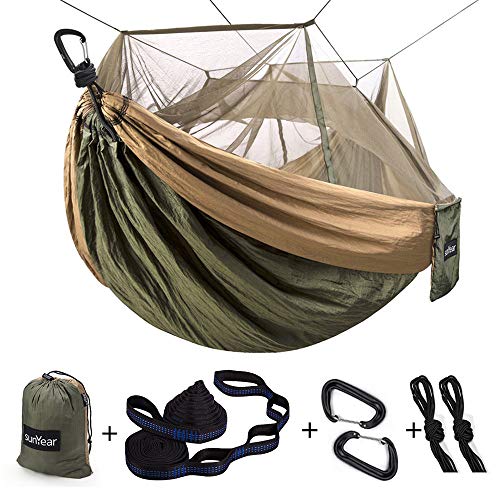
2 Person Camping Hammock with Mosquito Net: The Complete Buyer's Guide
Everything couples need to know before choosing a double camping hammock with built-in bug protection — comfort, setup, capacity, and the features that actually matter in the field.
View Recommended HammocksWhy Choose a 2 Person Camping Hammock with Mosquito Net?
For couples who love the outdoors, a 2 person camping hammock with mosquito net offers a compelling alternative to traditional tent camping. Instead of sleeping on the ground, you and your partner suspend comfortably between two trees, swaying gently with the breeze while staying fully protected from insects. This style of shelter has grown rapidly in popularity because it solves several long-standing problems: uneven terrain, rocky ground, and dampness from the forest floor.
The integrated mosquito net is the defining feature that separates a recreational lounging hammock from a genuine camping shelter. Without it, you would be exposed to mosquitoes, no-see-ums, and other biting insects throughout the night. With a fine mesh net suspended above you and secured below, you get a breathable, insect-free sleeping environment. Many models also include a rainfly or tarp, transforming the setup into a complete overnight system. If you are still weighing your options between sleeping systems, our guide on tent vs hammock breaks down the trade-offs in detail.
Unlike a single hammock, a double hammock is wider and rated for two occupants. This added width also makes solo camping more luxurious — you can sleep diagonally for a flatter, more comfortable lie. For couples, it means sharing warmth and space without the bulk of a two-person tent. Before you commit, it helps to review the essentials in our camping hammock with mosquito net and rainfly overview, which covers how these systems compare to full shelter setups.
Key Features to Evaluate Before You Buy
1. Weight Capacity and Dimensions
The single most important specification is weight capacity. A true two-person hammock should be rated for at least 400 pounds, with premium models often supporting 500 pounds or more. This isn't just about accommodating two adults — it is about safety margin and durability. The fabric, suspension ropes, and carabiners must all be rated consistently. Look for hammocks with a lying area of at least 78 inches wide and 118 inches long to give two people adequate room without feeling cramped.
2. Mosquito Net Design
Not all mosquito nets are created equal. The best designs use a fine mesh (typically 200-500 holes per square inch) that blocks even the smallest biting insects while allowing excellent airflow. The net should be attached along a ridgeline or integrated into the hammock body so it doesn't sag into your face. Some models feature a two-sided zipper system that lets you enter from either side, which is particularly convenient for couples. Others use a pop-up or self-supporting structure that keeps the net away from your body without needing a separate ridgeline.
3. Suspension System
Tree straps are non-negotiable — they protect the trees and are required in many parks and forests. Look for daisy-chain or multi-loop straps that make it easy to adjust the hang angle. The included carabiners should be climbing-grade or at least rated well above the hammock's maximum load. A complete suspension system should include two tree straps, two carabiners, and a ridgeline for the net. For a broader look at campsite essentials, our list of items to bring on a camping trip can help you round out your kit.
4. Material and Weather Resistance
Most camping hammocks use parachute nylon or polyester. Nylon is softer and more packable, while polyester resists stretching when wet and dries faster. Either is acceptable, but check for reinforced stitching at the gathered ends, where stress concentrates. If you plan to camp in rainy conditions, a separate rainfly is essential — some two-person hammocks include one, others sell it separately. Our guide to hammock with mosquito net and rain fly explains how these components work together.
5. Ease of Setup
Setup difficulty varies widely. Basic models require you to tie knots or thread straps manually, while premium models use carabiners and pre-attached loops that clip on in seconds. The mosquito net adds a step, but a well-designed system should still take under five minutes for two people to set up. If you value simplicity, look for hammocks with a built-in ridgeline that automatically tensions the net.
Quick Tip: Always check the distance between your chosen trees before hanging. Most two-person hammocks need trees 13-15 feet apart. Too close and the hammock sags excessively; too far and the suspension becomes difficult to tension properly.
Comparing Hammock Tiers: Entry-Level, Mid-Range, and Premium
Quality tiers in the two-person hammock market are defined by materials, suspension components, and included accessories — not by specific figures. The table below summarizes what you can generally expect at each tier.
| Feature | Entry-Level | Mid-Range | Premium |
|---|---|---|---|
| Tier Badge | Entry-Level | Mid-Range | Premium |
| Fabric | Basic parachute nylon | Ripstop nylon or polyester | High-denier ripstop with reinforced stitching |
| Mosquito Net | Basic mesh, may sag | Fine mesh with ridgeline support | Premium no-see-um mesh, dual zippers |
| Suspension | Rope or basic straps | Daisy-chain tree straps | Wide tree straps with reflective stitching |
| Carabiners | Standard steel | Aluminum wiregate | Climbing-grade aluminum |
| Weight Capacity | 400 lbs | 450-500 lbs | 500+ lbs |
| Rainfly Included | Rarely | Sometimes | Often included or sold as bundle |
| Setup Time | 5-10 minutes | 3-5 minutes | 2-4 minutes |
Entry-level models are a reasonable starting point for occasional campers who want to test the hammock experience. Mid-range options offer the best balance of durability, comfort, and features for regular use. Premium hammocks are built for frequent campers, thru-hikers, and those who prioritize lightweight materials and long-term reliability. If you are comparing this to other sleeping options, our article on the most comfortable way to sleep in a tent provides a useful counterpoint.
How to Set Up a 2 Person Hammock with Mosquito Net
Proper setup is the difference between a restful night and a frustrating one. Follow these steps for a secure, comfortable hang:
- Choose your trees. Look for two healthy trees with trunks at least 6 inches in diameter, spaced 13-15 feet apart. Avoid dead trees, branches that could fall, and trees with sap or poison ivy.
- Attach tree straps. Wrap the straps around each trunk at about head height, threading the end through the loop. Position them so the hammock will hang at a 30-degree angle when loaded.
- Connect the hammock. Clip the hammock's carabiners to the tree straps. Adjust the strap position to fine-tune the hang angle and height.
- Set up the ridgeline. If your hammock has a separate ridgeline for the mosquito net, attach it between the two ends at a height that keeps the net off your face.
- Deploy the mosquito net. Pull the net over the hammock body and secure it at both ends. Zip it closed from the inside to ensure full coverage.
- Add the rainfly (if using). Suspend the tarp above the hammock, angled to shed rain and block wind. Stake out the corners if the tarp has guy lines.
- Test the setup. Gently sit in the hammock first, then lie down to verify the angle, height, and net coverage before committing to sleep.
Comfort and Insulation: What Couples Should Know
Hammock camping has a reputation for being cold — and for good reason. When you lie in a hammock, the air circulates underneath you, pulling warmth away from your body. For two people, body heat helps, but it is not enough on its own in cool conditions. An underquilt is the standard solution: it hangs beneath the hammock and traps a layer of insulation against the outside of the fabric. A top quilt or sleeping bag handles the top side.
In warmer weather, a simple sleeping bag or even just a blanket may be sufficient. But if you camp in spring or fall, insulation becomes critical. Our guide to the most comfortable sleeping pad for car camping explores ground-based alternatives if you decide hammock camping isn't for you. For hammock-specific insulation, look for underquilts rated for the temperatures you expect.
Comfort also depends on how you lie. In a gathered-end hammock, sleeping diagonally — rather than straight along the centerline — gives you a flatter, more ergonomic position. This is easier in a wider two-person hammock, which is another reason the double size is worth considering even for solo campers. If you struggle with back or hip pain, a hammock with a flatter lay or a bridge-style design may be more suitable.
✅ Advantages
- No need for flat ground
- Comfortable, swaying sleep
- Protection from ground moisture and insects
- Lightweight and compact
- Quick setup compared to tents
- Great for hot, humid climates
⚠️ Limitations
- Requires suitable trees or posts
- Needs insulation in cool weather
- Less space for gear than a tent
- Not ideal for very cold or exposed sites
- Two-person models can feel cramped for some
- Rainfly often sold separately
Weather Considerations for Hammock Camping
Hammocks excel in warm, humid conditions where airflow is a priority. In rainy weather, a properly pitched rainfly keeps you dry, but you must ensure the tarp is large enough to cover the entire hammock and has a steep enough angle to shed water. Wind can be a challenge — a hammock suspended in the open sways more than a tent, so choose a sheltered spot when possible.
For cold-weather camping, hammocks require more insulation than tents because of the airflow underneath. A four-season hammock setup with a winter tarp, underquilt, and top quilt can work in freezing temperatures, but it is a specialized approach. If winter camping is your goal, our winter camping gear guide covers the insulation and shelter systems you will need. Setting up in snow or rain also requires extra care — see our tips on setting up a tent in the rain for principles that apply to hammock tarps as well.
If you camp in areas with unpredictable weather, always check forecasts and be prepared to adjust your plans. Our guide to camping weather alerts can help you stay informed.
Who Should Choose a 2 Person Hammock with Mosquito Net?
This shelter style is ideal for:
- Couples who camp in warm or temperate climates and want a lightweight, comfortable alternative to a tent.
- Backpackers and thru-hikers who need to minimize pack weight and volume.
- Campers who frequent sites with trees but uneven or rocky ground.
- Festival-goers and casual campers who want a quick, simple setup.
- Solo campers who want extra space — a double hammock is luxurious for one person.
It is less suitable for exposed sites without trees, desert camping, or extreme cold without additional insulation. If you frequently camp in those conditions, a tent may be the better choice. For a broader perspective on campsite selection and regulations, see our guides on campground vs wild camping and can you camp anywhere.
Frequently Asked Questions
Final Thoughts: Making the Right Choice
A 2 person camping hammock with mosquito net is a versatile, comfortable, and lightweight shelter system that can transform your camping experience. It is not the right choice for every situation — extreme cold, treeless terrain, and long trips with lots of gear are better served by a tent — but for couples who camp in mild to warm conditions, it is hard to beat.
When choosing, prioritize weight capacity, mosquito net quality, and suspension components. A mid-range hammock from a reputable brand will serve most campers well for years. Pair it with a rainfly, an underquilt for cooler weather, and a set of wide tree straps, and you have a complete overnight system that packs smaller and sets up faster than most tents.
If you are new to hammock camping, start with short overnight trips to dial in your setup before committing to a multi-day adventure. And as always, practice Leave No Trace principles — our guide to Leave No Trace principles covers the essentials for minimizing your impact. For a comprehensive checklist of what to bring, see our list of things you need for a camping trip.