Camping Drone Guide: Aerial Photography & Safety Tips
Capture breathtaking aerial views of your campsite, document your outdoor adventures from above, and discover how a drone can transform your camping experience.
START EXPLORINGWhy Bring a Drone Camping? A camping drone lets you see the landscape from a completely new perspective. From scouting the perfect campsite to capturing cinematic sunrise footage over a mountain lake, drones have become an essential tool for outdoor enthusiasts who want to document and share their adventures.
Why Every Camper Should Consider a Drone
Modern camping has evolved beyond just pitching a tent and sitting by the fire. Today's outdoor enthusiasts are using technology to enhance their experience, and a camping drone is at the top of many wishlists. Whether you are a solo adventurer, a family on a weekend getaway, or a seasoned backpacker, a drone can add a new dimension to your trips.
Drones serve multiple purposes for campers. They can help you scout trails and campsites from above, capture stunning photos and videos of your adventures, and even assist in emergency situations by providing an aerial view of your surroundings. For those who enjoy sharing their experiences on social media or with friends and family, a drone offers unparalleled storytelling potential.
However, choosing the right drone for camping requires careful consideration. Unlike casual backyard flying, camping environments present unique challenges: limited power sources, rugged terrain, unpredictable weather, and strict regulations in protected areas. This guide will walk you through everything you need to know to make an informed decision.
Types of Camping Drones: Finding Your Perfect Match
Not all drones are created equal, and the best choice for your camping adventures depends on your specific needs. Here is a breakdown of the main categories:
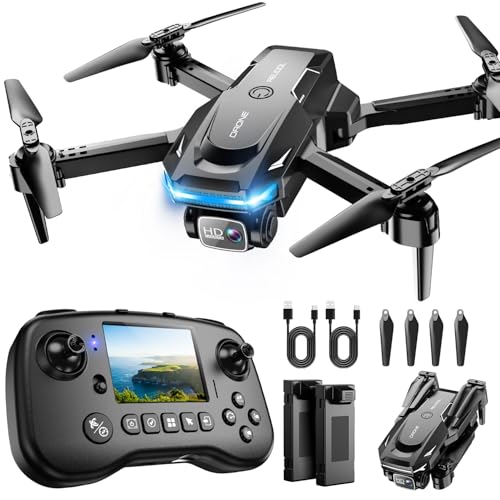
- Entry-Level Drones: These are ideal for beginners who want to test the waters of aerial photography without a significant commitment. They typically offer shorter flight times, simpler controls, and basic camera capabilities. While they may lack advanced features like obstacle avoidance, they are perfect for learning the basics and capturing casual footage around your campsite.
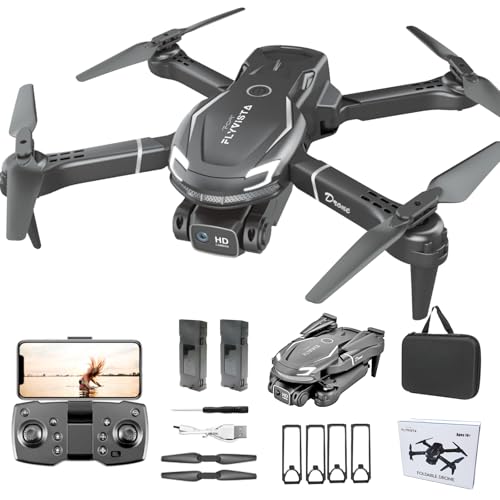
- Mid-Range Drones: This category represents the sweet spot for most campers. These drones offer a balance of performance, portability, and camera quality. You can expect features like GPS stabilization, longer battery life, and 4K video recording. Many mid-range models are foldable, making them easy to pack alongside your camping backpacks and other gear.
- Premium Drones: For professional photographers and videographers, premium drones deliver the highest quality footage and advanced features. These models often include larger sensors, adjustable aperture, longer flight times, and sophisticated obstacle avoidance systems. They are ideal for capturing cinematic content in challenging environments.
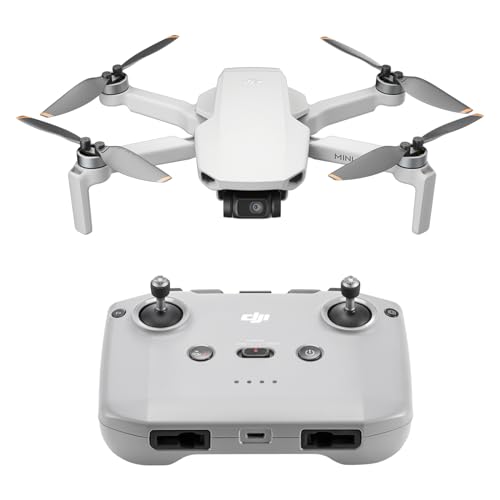
- Compact & Ultralight Drones: If you are a backpacker or minimalist camper, weight is a critical factor. Ultralight drones weigh under 250 grams, which often exempts them from registration requirements in many jurisdictions. They are perfect for multi-day hikes where every ounce counts.
Key Features to Consider When Choosing a Camping Drone
When evaluating drones for camping, focus on these essential features:
| Feature | Why It Matters for Camping |
|---|---|
| Portability & Weight | Foldable designs and lightweight construction make it easier to pack alongside your camping tents, sleeping bags, and other gear. |
| Battery Life | Longer flight times mean more footage and fewer interruptions. Consider drones with swappable batteries and bring extras. |
| Camera Quality | 4K video and high-resolution photos ensure your memories are captured in stunning detail. |
| Obstacle Avoidance | Essential for flying in wooded areas, near cliffs, or in unfamiliar terrain. |
| GPS & Return-to-Home | Critical safety features that ensure your drone returns safely if signal is lost. |
| Wind Resistance | Camping often means exposed locations. Choose a drone that can handle moderate winds. |
| Noise Level | Quieter drones are less likely to disturb wildlife and fellow campers. |
Drone Safety and Regulations: What Every Camper Must Know
Flying a drone while camping comes with responsibilities. Before you take off, familiarize yourself with the following:
- Registration Requirements: In many countries, drones above a certain weight must be registered. Check local laws before your trip.
- No-Fly Zones: National parks, wilderness areas, and certain state parks often prohibit drone flights. Always verify regulations for your destination. For example, check national park rules and state park rules before flying.
- Wildlife Protection: Never fly close to animals. Drones can cause stress and disrupt natural behaviors. Follow Leave No Trace principles.
- Respect Other Campers: Avoid flying over other campsites or during quiet hours. Observe quiet hours.
- Weather Awareness: Strong winds, rain, and extreme temperatures can affect drone performance. Check camping weather alerts before flying.
For more detailed information on drone regulations, refer to our comprehensive camping drones guide.
Powering Your Drone in the Wild
One of the biggest challenges of using a drone while camping is keeping it charged. Here are some solutions:
- Portable Power Stations: A reliable portable power station can charge multiple drone batteries and other devices.
- Solar Chargers: For extended trips, solar chargers offer a sustainable way to keep your gear powered.
- Car Chargers: If you are car camping, you can charge batteries while driving between locations.
- Spare Batteries: Always bring more batteries than you think you need. Flight times are often shorter than advertised.
Drone Photography Tips for Campers
Getting the most out of your camping drone requires practice and planning. Here are some tips to elevate your aerial photography:
- Golden Hour Magic: Fly during sunrise and sunset for the most dramatic lighting.
- Scout First: Use your drone to scout the area before hiking, identifying scenic viewpoints and potential hazards.
- Capture the Campsite: Aerial shots of your tent surrounded by nature make for compelling memories.
- Use ND Filters: Neutral density filters help control exposure in bright conditions.
- Practice Manual Controls: Learning manual settings gives you more creative control.
Frequently Asked Questions About Camping Drones
Can I fly a drone in a national park?
In most cases, drone flights are prohibited in national parks. Always check with park authorities before your trip and follow national park rules.
How do I protect my drone from wildlife?
Avoid flying near animals, especially birds of prey. If wildlife approaches, land your drone immediately. Follow Leave No Trace principles.
What is the best drone for backpacking?
Ultralight drones under 250 grams are ideal for backpacking. They are portable, often exempt from registration, and easy to pack.
How many batteries should I bring?
Bring at least three to four batteries for a weekend trip. Consider a portable power station to recharge in the field.
Can I fly a drone while camping in cold weather?
Yes, but battery performance decreases in cold temperatures. Keep batteries warm before flying and expect shorter flight times. For more tips, see our winter camping guide.
Ready to Elevate Your Camping Adventures?
Browse our recommended camping drones and find the perfect aerial companion for your next outdoor trip.
View Recommended Drones