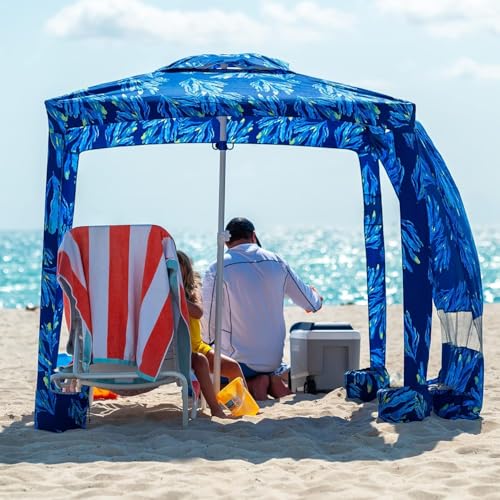
Beach Canopy Tent with Sand Pockets: The Ultimate Shade Solution
Everything you need to know about choosing, setting up, and getting the most from a beach canopy tent with sand pockets — from anchor systems and wind resistance to fabric choices and family-friendly features.
Why sand pockets matter: Unlike traditional tents that rely on ground stakes, a beach canopy tent with sand pockets uses weighted fabric pouches to anchor itself in loose, shifting sand. This simple but ingenious design is what makes these shelters the most reliable option for beach shade — and understanding how they work will help you choose the right one for your family.
What Is a Beach Canopy Tent with Sand Pockets?
A beach canopy tent with sand pockets is a portable sun shelter designed specifically for sandy environments. Instead of stakes or guy lines that pull loose in soft ground, these tents feature reinforced fabric pouches — typically located at each corner or along the base skirt — that you fill with sand to create a stable, weighted anchor system.
This approach solves the single biggest problem beachgoers face: wind. Coastal breezes can reach 15–25 mph on a typical afternoon, and an unanchored canopy becomes a hazard within seconds. Sand pockets distribute weight evenly along the base, keeping the structure grounded without requiring tools or special skills.
Most models are pop-up or instant-setup designs, meaning you can deploy them in under two minutes. When it's time to leave, you simply empty the pockets, fold the frame, and carry it back to the car. For families who want reliable shade without the hassle, this category has become the gold standard — similar in convenience to pop-up beach tents designed for land and sea.
How Sand Pocket Anchoring Works
Understanding the mechanics behind sand pockets helps you use them effectively. Here's what happens when you fill and deploy them correctly:
- Weight distribution: Each pocket holds roughly 5–10 pounds of sand when filled. With four to six pockets, you're adding 20–60 pounds of ballast along the base perimeter.
- Low center of gravity: Because the weight sits at ground level, the tent resists tipping even when wind pushes against the canopy overhead.
- Friction surface: Filled pockets press down on the sand, creating friction that prevents sliding — especially important on smooth, hard-packed beaches near the waterline.
- Flexible anchoring: If the wind shifts direction, the pockets naturally settle into the sand and re-stabilize without intervention.
Some premium models combine sand pockets with short stake loops, allowing you to use either method depending on conditions. This dual-anchor approach is particularly useful when you move between beach and grassy areas — a scenario familiar to anyone who enjoys beach camping or lake camping.
Pro Tip: On very windy days, fill the pockets completely and mound extra sand on top of each one. You can also dig shallow trenches for the corners to sit in — this adds another layer of wind resistance without any extra equipment.
Types of Beach Canopy Tents with Sand Pockets
Not all beach canopies are built the same. The category breaks down into three main styles, each suited to different needs:
Pop-Up Canopy Tents
These use a pre-assembled frame that springs into shape when unfolded. Best for quick setup and families who prioritize convenience. Most include integrated sand pockets and a carry bag. Ideal for day trips where you want shade in under two minutes.
Instant Cabin-Style Shelters
Featuring a more enclosed design with walls and sometimes a floor, these offer better wind protection and privacy. Sand pockets anchor the base while the cabin structure blocks side breezes. A good choice for full-day outings with kids or when you need a changing area.
Canopy-Style Sun Shelters
Open-sided canopies with a large shade footprint and minimal walls. They excel at ventilation and group seating. Sand pockets are usually located at the four corners, with optional sandbags for the center poles if included. Best for calm days and social gatherings.
If you're comparing beach shade options more broadly, it's worth noting that heavy-duty beach chairs with canopy serve a similar purpose for individuals, while full canopy tents provide group-level coverage. The right choice depends on how many people you're shading and how long you plan to stay.
Beach Canopy Tent Comparison: Which Style Fits Your Trip?
| Feature | Pop-Up Canopy | Cabin-Style Shelter | Canopy Sun Shelter |
|---|---|---|---|
| Setup Time | Under 2 minutes | 3–5 minutes | 2–3 minutes |
| Wind Resistance | Moderate (with filled pockets) | High (enclosed walls) | Moderate to high |
| Shade Coverage | Small to medium | Medium to large | Large |
| Privacy | Low | High | Low to moderate |
| Best For | Couples, solo beachgoers | Families with kids | Groups, social gatherings |
| Sand Pocket Count | 4–6 pockets | 6–8 pockets | 4–6 pockets |
| Portability | Excellent | Good | Good |
Key Buying Criteria for a Beach Canopy Tent with Sand Pockets
When you're comparing models, these are the factors that separate a shelter that lasts for years from one that frustrates you on the first windy day.
What to Evaluate Before You Buy
Sand Pocket Capacity and Placement
Look for pockets that are generously sized (able to hold at least 5 pounds each) and positioned at every corner. Some models add mid-point pockets along the base for extra stability. Reinforced stitching at the pocket seams is a must — this is the highest-stress area of the tent.
Fabric and UV Protection
The best beach canopies use UPF 50+ rated fabric that blocks 98% of UV rays. Polyester and nylon are common; look for models with a silver-coated or reflective underside for added heat reduction. Water resistance is a bonus for unexpected rain showers.
Frame Durability and Weight
Fiberglass and aluminum frames offer the best balance of strength and portability. Entry-level models often use thinner poles that flex excessively in wind; mid-range and premium options typically feature thicker-gauge aluminum or reinforced fiberglass that holds its shape.
Ventilation and Airflow
Beach heat can be intense. Mesh panels, roll-up walls, and open-side designs allow cross-breezes to keep the interior comfortable. Cabin-style shelters should have at least two mesh windows or a roof vent to prevent the greenhouse effect.
Packed Size and Carry Weight
If you're walking any distance from parking to beach, packed size matters. Pop-up models typically pack into a compact disc or duffel shape. Cabin shelters are bulkier but often come with a wheeled carry bag. Consider how far you'll realistically carry it.
Additional Features
Extras that add real value: built-in floor liners, sandbag pouches on the exterior, internal storage pockets, and guy-line attachment points for extra stability. Some premium models include a small awning or extended front porch for additional shade.
How to Set Up a Beach Canopy Tent with Sand Pockets
Proper setup takes just a few minutes and makes the difference between a stable shelter and a kite. Follow these steps:
- Choose your spot wisely. Look for level sand away from the waterline and not directly under trees (which can drop debris). If possible, position the tent so its back faces the prevailing wind.
- Unfold and orient the frame. Pop open the frame according to the manufacturer's instructions. Most pop-up models expand automatically; cabin-style shelters require assembling the poles.
- Fill the sand pockets. Use a small shovel or your hands to fill each pocket completely. Pack the sand down firmly. If the pockets have closures, secure them tightly to prevent spillage.
- Adjust the position. Once pockets are filled, you can still slide the tent slightly to center it. After that, the weight will hold it in place.
- Deploy guy lines if provided. On windy days, attach guy lines to the provided loops and anchor them with additional sandbags or by burying a small anchor object.
- Test stability. Gently push against the frame. If it shifts, add more sand to the pockets or dig shallow trenches for the corners.
For a deeper dive into beach-specific setup techniques, see our guide on setting up a tent on the beach. If you're also planning to use your canopy on grassy campsites, the principles overlap with setting up a tent in the rain — mainly ensuring proper anchoring and ventilation.
Care and Maintenance for Long-Term Use
A beach canopy tent with sand pockets is an investment in comfort. With basic care, it will serve you for many seasons:
- Rinse after every beach trip. Salt and sand are abrasive. Rinse the fabric and frame with fresh water, then air-dry completely before packing.
- Empty pockets before storing. Never store the tent with sand still in the pockets — moisture can cause mildew and the weight can deform the frame over time.
- Check seams and stitching. Inspect the pocket seams periodically for fraying. Repair small tears with a tent repair patch before they grow.
- Store dry and cool. Keep the tent in its carry bag in a dry location. Avoid leaving it in a hot car for extended periods, as heat can degrade waterproof coatings.
- Lubricate joints. A light application of silicone spray on the frame joints keeps the pop-up mechanism working smoothly.
If you're also maintaining other beach gear, the same rinse-and-dry principle applies to lightweight beach chairs with canopy and other fabric-based equipment.
Safety Considerations for Beach Canopy Use
Beach canopies are generally safe when used correctly, but a few precautions prevent accidents:
- Never leave a canopy unattended in wind. An unanchored or partially anchored canopy can become airborne and injure someone.
- Lower or disassemble during strong gusts. If winds exceed 20 mph, take the canopy down. No sand pocket system can withstand a sustained gale.
- Watch for overheating. Enclosed cabin-style shelters can trap heat. Keep vents open and check on children and pets regularly.
- Be mindful of others. Set up at least 10 feet from neighboring beachgoers to avoid blocking their view or encroaching on their space.
- Follow local regulations. Some beaches restrict canopy sizes or prohibit them entirely during peak season. Check signage or ask a lifeguard.
These principles align with general outdoor safety practices covered in our campfire safety rules and wilderness first aid guides — preparation and awareness prevent most problems.
Frequently Asked Questions
A beach canopy tent with sand pockets is a portable shade shelter featuring built-in fabric pouches at its base that you fill with sand to anchor the structure. This design eliminates the need for stakes, which cannot penetrate loose beach sand effectively. The filled pockets provide weight and friction to keep the tent stable in coastal breezes.
Most beach canopy tents require between 20 to 40 pounds of sand distributed across all anchor pockets. On windy days, filling the pockets completely and adding extra sand provides the most stability. You can also mound sand on top of filled pockets for additional weight.
When properly anchored with filled sand pockets, these tents handle moderate coastal breezes well. However, in strong gusty conditions (above 20 mph), you should lower the canopy or take it down to prevent damage or injury. No sand pocket system can withstand sustained gale-force winds.
Yes, sand pockets can be filled with rocks, pebbles, or heavy objects when sand is unavailable. Many models also include stake loops for use on firmer ground, making them versatile for parks and campsites. Just remember to empty the pockets before transporting the tent to avoid excess weight.
Whether you're setting up for a single afternoon or planning a full beach camping trip, the right canopy makes all the difference. Combine it with a portable folding toilet for camping and a portable camping shower with heater for a complete beach basecamp setup.