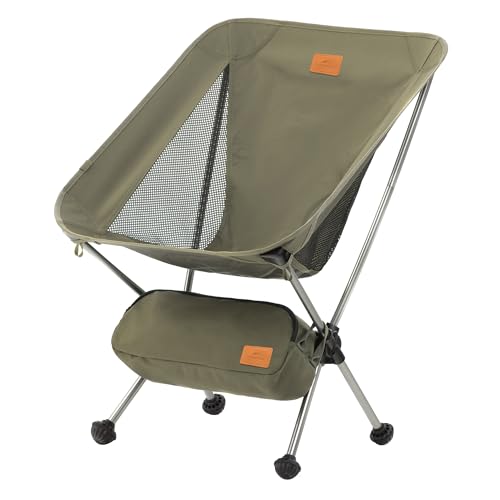
Backpack Camping Chair: Lightweight Comfort for the Trail
Discover how to choose a portable chair that won't weigh you down. Compare designs, materials, and comfort features for backpacking, hiking, and minimalist camping.
READ THE GUIDEWhy a Backpack Camping Chair Changes Everything
After a long day on the trail, there are few things more rewarding than having a comfortable place to sit. A backpack camping chair transforms your campsite from a simple resting spot into a genuine retreat. Unlike bulky folding chairs meant for car camping, these designs prioritize portability without sacrificing the support your back and legs need after hours of hiking.
The category has exploded in recent years, with manufacturers finding clever ways to shave grams while maintaining durability. Whether you're a thru-hiker counting every ounce or a weekend backpacker who wants a touch of luxury, there's a chair designed for your style. The key is understanding the trade-offs between weight, packed size, comfort, and stability — then matching those to your specific adventures.
If you're new to assembling your camping kit, our camping essentials checklist can help you see where a chair fits into the broader picture. For those who prefer a more traditional setup, portable folding camping chairs offer another approach worth exploring.
How to Choose the Right Backpack Camping Chair
1. Weight and Packed Size
Weight is the primary differentiator in this category. Chairs range from featherweight models under two pounds to more substantial designs that approach five pounds. The lightest options typically use aluminum or carbon fiber frames with thin nylon seats, while heavier models add padding, wider bases, and more robust hardware.
Packed size matters just as much. Look for chairs that collapse into a cylinder roughly the size of a water bottle or a small stuff sack. If you're tight on space, consider how the chair will fit alongside your hiking backpack for men or a women's hiking backpack — some models strap externally, while others slide into a side pocket.
2. Frame Design and Stability
Most backpack chairs use one of three frame styles:
- Two-leg (chair kit) designs: These use your trekking poles as the front legs, saving significant weight. They're ideal for ultralight hikers but require you to carry poles.
- Four-leg pod chairs: A popular compromise, these have a small footprint and set up quickly. They can feel tippy on uneven ground.
- Traditional four-leg with cross-bracing: The most stable option, these resemble miniature camp chairs but fold down compactly.
Stability is crucial if you plan to use your chair on soft ground, sand, or rocky terrain. Wider feet or "mud guards" prevent sinking. For beach trips, our guide to low-profile beach chairs covers specialized options, while heavy-duty camping chairs serve those who prioritize ruggedness over weight.
3. Seat Comfort and Support
A chair is only as good as its seat. Look for:
- Seat height: Lower seats (around 10–12 inches) are lighter and pack smaller but can be harder to get out of. Higher seats (16–18 inches) offer easier sitting and standing.
- Back support: Some chairs offer full backrests that cradle your spine, while others are simple sling designs. If you have back concerns, consider a model with a higher back or adjustable straps.
- Fabric durability: Ripstop nylon and polyester are common; look for reinforced stress points and quality stitching.
- Weight capacity: Always check the manufacturer's rating. Exceeding it can lead to sudden failure.
4. Setup and Takedown
Shock-corded poles and sleeve designs make assembly intuitive, but practice at home before your trip. Some chairs use a hub system that snaps together; others require threading poles through fabric sleeves. The best chair for you is one you can assemble in under a minute, even when tired.
5. Additional Features
Small details add up. Cup holders, side pockets, and armrests can make a chair more livable, but they add weight. If you're counting grams, skip them. If comfort is king, they're worth the trade-off. For those who want a bit of both, padded camping folding chairs offer cushioning without going full glamping.
Other campers appreciate small camping folding chairs for kids or as a secondary seat. And if you're setting up a basecamp, a portable chair for outdoor use might be the versatile answer.
Comparing Backpack Camping Chairs by Tier
To help you navigate the market without getting lost in specs, we've grouped chairs into universal quality tiers. These descriptors reflect relative positioning, not specific numbers.
| Tier | Typical Weight | Frame Material | Best For | Key Trade-off |
|---|---|---|---|---|
| Entry-Level | 3.5–5 lbs | Steel or basic aluminum | Car camping, short hikes, occasional use | Heavier, bulkier pack size |
| Mid-Range | 2–3.5 lbs | Aluminum alloy | Weekend backpacking, festivals, general camping | Moderate weight, decent comfort |
| Premium | 1.5–2.5 lbs | High-grade aluminum or carbon fiber | Serious backpackers, thru-hikers, minimalist campers | Higher cost, sometimes less padding |
| Luxury | 1–2 lbs | Carbon fiber or exotic alloys | Ultralight purists, weight-obsessed adventurers | Very high cost, minimalist features |
Remember that tier names are relative. A premium chair from one brand might overlap with a mid-range model from another. Focus on the features that matter most to your trips.
Materials and Durability: What to Look For
The longevity of your backpack camping chair depends on the quality of its components. Here's what to inspect:
Frame
Aluminum alloys (like 7075 or 6061) offer the best strength-to-weight ratio for most backpackers. Carbon fiber is lighter but more brittle and expensive. Steel is durable but heavy — best reserved for car camping. Check for corrosion-resistant coatings, especially if you camp near saltwater.
Fabric
Ripstop nylon and polyester are standard. Higher denier (e.g., 210D, 420D) means thicker, more abrasion-resistant fabric. Some chairs use mesh panels for breathability. Look for reinforced bar-tack stitching at stress points.
Hardware
Plastic hubs and feet can crack in cold weather. Metal components are more durable but add weight. Stainless steel or anodized aluminum hardware resists rust. For winter camping, check our winter camping gear guide for cold-weather considerations.
Matching Your Chair to Your Adventure
Ultralight Backpacking
If every ounce counts, a two-leg chair kit that uses your trekking poles is the way to go. These pack down to the size of a fist and weigh next to nothing. The trade-off is stability and setup time. Pair with a men's hiking backpack or women's hiking backpack that has external attachment points.
Weekend Camping
A mid-range four-leg chair offers the best balance of comfort and portability. You can carry it in a camping backpack or strap it to the outside. For family trips, consider a camping chair for each person — kids love having their own seat.
Beach and Waterfront Camping
Sand is the enemy of stability. Look for chairs with wide, flat feet or "sand feet" accessories. Our low-profile beach chairs guide covers specialized designs. A pop-up beach canopy can provide shade for your seating area.
Cold Weather Camping
Metal frames can feel icy in winter. Choose chairs with foam-padded armrests or carry a small sit pad. A portable heater for camping can make your seating area cozy. Always check winter camping safety guidelines before heading out.
Car Camping and Basecamp
When weight isn't a concern, you can opt for a larger, more comfortable chair. A portable folding rocking chair adds a touch of luxury, while camping chairs with canopy offer sun protection. For group meals, a camping table with chairs set is ideal.
Maintenance and Care for Longevity
A well-cared-for backpack camping chair can last many seasons. Follow these simple practices:
- Clean after every trip: Wipe down the frame with a damp cloth and mild soap. Remove sand and dirt from joints.
- Dry thoroughly: Never store a wet chair. Mildew can ruin fabric and corrode metal.
- Lubricate joints: A tiny amount of silicone spray on pole connections can keep them sliding smoothly. Avoid oil-based lubricants that attract dirt.
- Inspect before each trip: Check for frayed fabric, bent poles, or cracked plastic parts. Replace worn components before they fail in the field.
- Store properly: Keep in a cool, dry place. Avoid compressing the chair tightly for long periods, as this can fatigue shock cords.
For general camping gear maintenance, our camping FAQ has answers to common questions. If you're building out your kit, see our camping equipment for car guide for storage tips.
Safety and Camping Etiquette
Using a chair might seem simple, but a few precautions keep you safe and respectful of others:
- Don't overload: Respect the weight limit. A sudden collapse can cause injury.
- Set up on level ground: Avoid slopes and uneven surfaces that can tip the chair.
- Keep away from fires: Synthetic fabrics melt easily. Maintain a safe distance from campfires and stoves. Review campfire safety rules.
- Leave no trace: Don't leave your chair unattended for long periods in pristine areas. Follow Leave No Trace principles.
- Respect quiet hours: Folding and unfolding chairs can be noisy. Be mindful during quiet hours.
For more on responsible camping, see national park rules and BLM camping rules.
Frequently Asked Questions
Are backpack camping chairs worth the weight?
For many campers, yes. The comfort and back support can significantly improve your rest and overall experience. If you're counting every gram, a two-leg chair kit adds minimal weight. If you're car camping, a heavier chair is a non-issue.
Can I use a backpacking chair as my only seat?
Absolutely. Many backpackers use their chair for sitting around camp, eating, and relaxing. Just ensure it's stable and comfortable enough for extended use. Some models double as a headrest or pillow when packed.
How do I choose between a two-leg and four-leg chair?
Two-leg chairs are lighter and pack smaller but require trekking poles and a bit of practice to set up. Four-leg chairs are more stable and self-contained but heavier. Your choice depends on your priorities: ultralight vs. convenience.
What's the best chair for beach camping?
Look for chairs with wide, sand-friendly feet or "ball feet" that prevent sinking. Low-profile designs are also more stable on sand. See our low-profile beach chairs guide for specific recommendations.
Can I use a backpacking chair for winter camping?
Yes, but choose wisely. Metal frames can get cold, so consider a chair with foam padding or bring a sit pad. Also, ensure the fabric doesn't become brittle in freezing temperatures. Check our winter camping section for more tips.
How do I repair a torn seat?
Most fabric tears can be patched with a nylon repair tape or a sewing kit. For structural damage to the frame, contact the manufacturer for replacement parts. Always carry a small repair kit on longer trips.
Are expensive chairs really better?
Higher-tier chairs often use lighter materials, better hardware, and more refined designs. They can be more comfortable and durable. However, a mid-range chair may suit your needs perfectly. Focus on features and fit rather than tier alone. See our article on whether expensive tents are worth it for a parallel discussion.
Final Thoughts: Sit Back and Enjoy the View
A backpack camping chair is more than a luxury — it's a tool for better rest and recovery on the trail. By understanding the trade-offs between weight, comfort, and durability, you can find a chair that fits your adventures perfectly. Remember to consider your typical terrain, the length of your trips, and how much space you can spare in your pack.
Whether you're lounging by a alpine lake, sharing stories around a campfire, or simply taking a break on a long hike, the right chair makes every moment more enjoyable. Explore our recommended products below to find your perfect match, and don't forget to check our camping FAQ for more guidance.
Happy camping, and may your sit be comfortable!