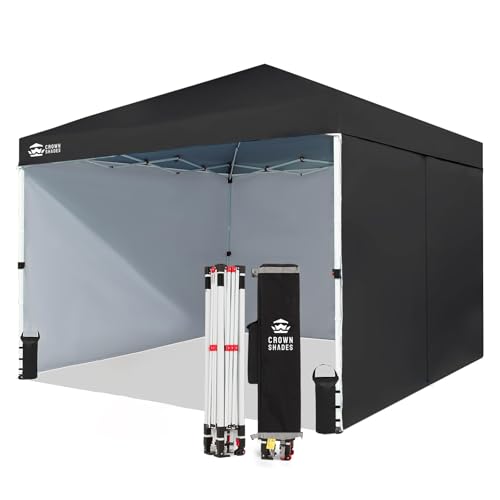
10x10 Commercial Canopy with Sidewalls: The Ultimate Buyer's Guide
Everything you need to know before choosing a heavy-duty pop-up shelter — frame strength, fabric durability, sidewall options, and real-world performance for vendors, campers, and event hosts.
Why a 10x10 Commercial Canopy with Sidewalls Is a Smart Investment
A 10x10 commercial canopy with sidewalls is one of the most versatile outdoor structures you can own. Whether you are setting up a vendor booth at a farmers market, creating a shaded retreat at a campsite, or hosting a backyard event, this size hits the sweet spot between spaciousness and portability. The 10-foot by 10-foot footprint provides 100 square feet of covered area — enough for a market stall, a family seating arrangement, or a protected cooking station.
What separates a commercial-grade canopy from a cheap pop-up is the frame and fabric. Commercial canopies are built to withstand repeated setup and takedown, gusty winds, and prolonged sun exposure. The sidewalls add another layer of utility: they block wind, provide privacy, and protect against rain and harsh sun. If you are camping in an exposed area, a canopy with sidewalls can serve as a reliable basecamp shelter. For those who prefer a more permanent structure, a canvas hot tent might be worth exploring, but for flexible, quick-deploy shade, a 10x10 commercial canopy is hard to beat.
This guide breaks down the critical factors: frame materials, canopy fabrics, sidewall configurations, and the subtle features that make a big difference in the field. By the end, you will know exactly which type of 10x10 commercial canopy with sidewalls fits your needs.
What Makes a Canopy "Commercial Grade"?
The term "commercial" is often used loosely, but in the canopy industry, it refers to specific construction standards. A true commercial-grade 10x10 canopy typically features:
- Reinforced frame joints: Welded or bolted connections rather than plastic clips that snap under stress.
- Thicker legs: Usually 1.25-inch to 2-inch diameter steel or aluminum tubing, often with a powder-coated finish for rust resistance.
- Heavy-duty fabric: 300D to 600D polyester or Oxford weave with a PU coating, rated for UV and water resistance.
- Truss-style roof bars: Cross-bracing that prevents the roof from sagging and improves wind resistance.
- Wheeled carry bag: A must for transporting a heavier commercial frame. Look for a bag with reinforced handles and smooth-rolling wheels.
These features add weight, but they also add years of service. A mid-range commercial canopy can last several seasons with proper care, while a top-tier model can handle weekly use for years. If you are a frequent camper, consider how a canopy complements your other gear — for example, pairing it with a portable camp kitchen creates a fully functional outdoor cooking and dining area.
Frame Materials: Steel vs. Aluminum
The frame is the skeleton of your canopy. The two main options are steel and aluminum, each with distinct advantages.
| Feature | Steel Frame | Aluminum Frame |
|---|---|---|
| Weight | Heavier; often 40–60 lbs for a 10x10 | Lighter; typically 30–45 lbs |
| Durability | Very strong; resistant to bending | Strong but can dent under extreme impact |
| Rust Resistance | Requires powder coating; can rust if scratched | Naturally rust-resistant |
| Best For | Permanent or frequent setups; windy locations | Portability; solo setup; camping and travel |
For a 10x10 commercial canopy with sidewalls, a steel frame is often the better choice for vendors who leave the canopy up for full days. An aluminum frame is preferable for campers who need to move the canopy frequently. Entry-level canopies often use thinner steel or a mix of steel and plastic; mid-range models upgrade to thicker steel or aluminum; premium and luxury tiers use aircraft-grade aluminum or heavy-gauge steel with reinforced trusses.
If you plan to use your canopy as a primary shelter for extended trips, you might also want a reliable sleeping setup nearby. A folding bed cot can be a comfortable alternative to ground sleeping, especially when paired with a canopy for shade and privacy.
Canopy Fabric: Denier, Coating, and Weather Protection
The fabric determines how well your canopy blocks sun, rain, and wind. Here is what to look for:
- Denier (D): A measure of thread thickness. 150D is lightweight and best for occasional use. 300D is a common mid-range choice. 500D–600D is heavy-duty and found on premium canopies.
- Coating: PU (polyurethane) coating provides water resistance. UV-resistant coatings prevent fading and fabric degradation. Silver or reflective coatings can reduce heat buildup.
- Seams: Heat-sealed or double-stitched seams prevent water from seeping through. Avoid canopies with single-stitched seams if you expect rain.
- Sidewall material: Sidewalls should match the canopy fabric. Some canopies come with mesh sidewalls for ventilation, while others offer solid walls for privacy and wind blocking. Many commercial canopies include one or two solid sidewalls and one mesh wall.
💡 Pro Tip: If you camp in rainy or windy conditions, look for a canopy with a 200D or higher fabric and taped seams. A tent for shower or privacy enclosure can also benefit from the same fabric technology, but a commercial canopy with sidewalls gives you more headroom and floor space.
For those who camp in hot climates, a canopy with a reflective top and mesh sidewalls offers excellent ventilation. In colder or windy conditions, solid sidewalls help retain heat and block drafts. The versatility of a 10x10 commercial canopy with sidewalls is hard to match — it can serve as a dining area, a gear storage zone, or a makeshift portable camp kitchen.
Sidewall Configurations: Full Walls, Half Walls, and Mesh
Sidewalls are what transform a simple pop-up canopy into a true shelter. They attach to the frame legs and roof edges, usually via hook-and-loop straps, zippers, or clips. Here are the common configurations:
- Full solid sidewalls (4 walls): Maximum privacy and weather protection. Ideal for vendor booths, changing rooms, and cold-weather camping.
- 3 solid walls + 1 mesh wall: A popular combination for vendors who want airflow but need three sides closed. The mesh wall provides ventilation while keeping bugs out.
- 2 solid walls + 2 mesh walls: Good for hot climates where cross-ventilation is essential.
- Half walls (also called rails): These cover the bottom half of the canopy, providing wind protection and branding space without fully enclosing the space. Often used at markets and events.
- Mesh-only sidewalls: Best for insect protection in summer. They offer shade and airflow but little privacy.
Some canopies come with removable sidewalls that can be configured in multiple ways. If you plan to use your canopy for both camping and events, a modular sidewall system is a smart choice. For camping, you might also want a dedicated tent for shower or a portable toilet and sink for camping to complement your setup.
Setup, Portability, and Storage
A 10x10 commercial canopy with sidewalls is designed for quick deployment, but the ease of setup varies by model. Entry-level canopies may require two people to push the frame open, while premium models feature a central hub or one-push mechanism that one person can handle.
Key portability features to consider:
- Wheeled carry bag: Almost essential for a commercial canopy. Look for a bag with wide wheels and a reinforced bottom.
- Weight: A 10x10 canopy typically weighs between 30 and 65 pounds. Aluminum frames are lighter; steel frames are heavier but more stable in wind.
- Folded dimensions: Most fold down to a compact size that fits in a car trunk or truck bed. Check the folded length before buying if you have a small vehicle.
- Stakes and guy lines: Always use them. Even a light breeze can lift a canopy. Premium canopies include heavy-duty stakes and reflective guy lines.
If you are setting up camp for a longer stay, consider how your canopy integrates with other gear. For example, a 10x10 canopy replacement bag with wheels can extend the life of your canopy and make transport easier. If you need a more permanent structure, a portable yurt or a tent with patio might be worth exploring, but for flexible shade, the pop-up canopy remains unmatched.
Best Uses for a 10x10 Commercial Canopy with Sidewalls
This canopy size is incredibly versatile. Here are the most common use cases:
- Vendor booths: Farmers markets, craft fairs, and food stalls. The 10x10 size is often the standard for booth spaces. Sidewalls provide branding space and weather protection.
- Camping: A canopy with sidewalls creates a sheltered communal area. It can protect your cooking station, seating area, or gear from rain and sun. Pair it with a folding bed cot for a comfortable outdoor bedroom.
- Backyard events: Birthdays, barbecues, and weddings. Sidewalls can be configured to block sun or wind while leaving one side open for access.
- Tailgating: A canopy with sidewalls keeps you dry and comfortable in unpredictable weather. It also provides a place to set up a portable camp kitchen or a two-burner stove.
- Emergency shelter: In a pinch, a commercial canopy can serve as a temporary shelter for displaced families or disaster relief.
For campers who want a more enclosed sleeping space, a tent for shower or a 1-person tent can be set up inside or next to the canopy. The canopy acts as a covered porch, extending your living space.
Key Features to Look For in a 10x10 Commercial Canopy
When comparing models, focus on these features:
- Frame thickness and material: Look for at least 1.25-inch diameter legs. Steel is heavier but stronger; aluminum is lighter but more expensive.
- Fabric denier: 300D is a good mid-range choice. 500D+ is premium.
- Sidewall attachment system: Zippers are more secure than hook-and-loop. Clips are convenient but can break.
- Ventilation: A canopy with a vented top or mesh sidewalls reduces heat buildup.
- Wheeled bag: A must for transport.
- Warranty: Commercial canopies often come with a 1–3 year warranty. Premium brands offer longer coverage.
- Weight capacity: Some canopies support hanging accessories like lights or fans. Check the frame's weight limit.
If you plan to use your canopy for camping, you might also want a rechargeable battery-powered lantern to light the interior, or a battery-powered space heater for cold evenings. These small additions can make your canopy a true home away from home.
Maintenance and Care
To get the most out of your 10x10 commercial canopy with sidewalls, follow these maintenance tips:
- Clean after use: Wipe down the fabric with mild soap and water. Avoid harsh chemicals that can strip coatings.
- Dry completely: Never store a damp canopy. Mildew can ruin the fabric and cause odors.
- Lubricate joints: A silicone spray on the frame joints keeps the setup smooth.
- Store in a cool, dry place: Avoid leaving the canopy in direct sunlight for extended periods when not in use.
- Check for wear: Inspect seams, zippers, and frame connectors before each season. Replace worn parts early.
If you frequently camp in harsh conditions, consider a canvas hot tent or a 4-season tent with stove jack for winter trips, but for three-season versatility, a commercial canopy is a reliable companion.
Frequently Asked Questions
Can a 10x10 commercial canopy be used for camping?
Absolutely. Many campers use a 10x10 canopy with sidewalls as a basecamp shelter. It provides shade, rain protection, and a dedicated space for cooking or socializing. Pair it with a folding bed cot or a 1-person tent for sleeping.
How many sidewalls come with a typical commercial canopy?
Most 10x10 commercial canopies come with one or two sidewalls. Some premium models include a full set of four. You can often purchase additional sidewalls separately, including mesh or solid options.
What is the difference between 300D and 600D fabric?
600D fabric is thicker and more durable than 300D. It offers better tear resistance and longevity, making it ideal for frequent use. 300D is lighter and more affordable, suitable for occasional use.
Can I set up a 10x10 canopy by myself?
Many mid-range and premium canopies are designed for one-person setup. Look for models with a central hub or "one-push" mechanism. Entry-level canopies may require two people, especially if the frame is heavy steel.
How do I anchor a canopy in windy conditions?
Always use the included stakes and guy lines. For extra security, use sandbags or water weights on each leg. If you are camping in an exposed area, consider a heavy-duty camping chair with canopy for personal wind protection, and stake your canopy firmly.
Is a 10x10 canopy large enough for a vendor booth?
Yes, 10x10 is the standard size for many market and fair booths. It provides enough space for a table, product displays, and a vendor. Sidewalls offer branding opportunities and weather protection.